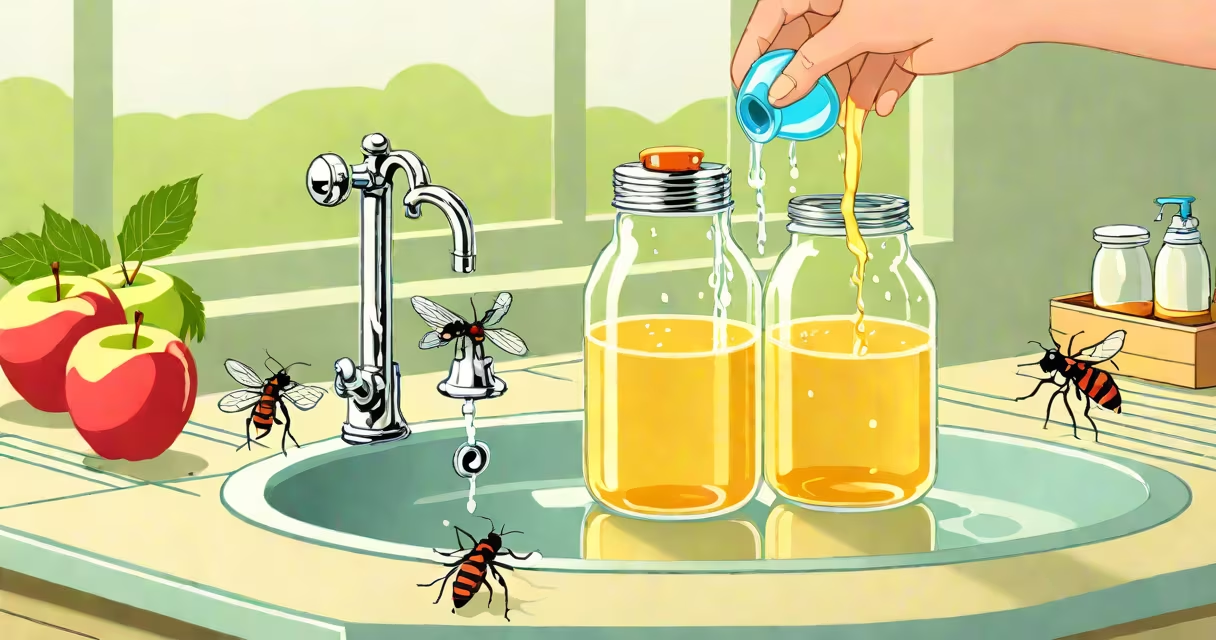
Getting rid of gnats means identifying the species, removing their breeding sites-typically damp organic material-and using targeted traps or repellents to reduce populations. The most common indoor pests are fungus gnats and fruit flies, both drawn to moist soil, overripe produce, or standing water.
Fungus gnats thrive in potting soil with excess moisture. Fruit flies breed in fermenting fruit, drains, or trash cans. Both lay eggs in decaying matter. Removing the source stops new generations. Traps using apple cider vinegar and dish soap attract and drown them. Preventive measures include drying houseplant soil between waterings, storing fruit in the fridge, and cleaning sink drains weekly.
Effective control requires consistent action. A single trap may reduce numbers temporarily, but eliminating the root cause prevents recurrence. Ignoring damp areas leads to ongoing infestations. Regular maintenance keeps environments inhospitable to egg-laying.
Gnats reproduce rapidly. Female fungus gnats lay up to 200 eggs in moist soil. Larvae feed on fungi and plant roots, damaging seedlings. Fruit fly females lay eggs in fermenting fruit-within 24 hours, larvae hatch and feed for 5-7 days before pupating. Adults live 5-10 days but can restart cycles quickly.
Indoor conditions favor growth. Warm temperatures (70-80°F) speed development. High humidity increases survival. A single fruit fly can produce 500 offspring in a month under ideal conditions. Fungus gnats multiply in potted plants left in saucers with standing water.
Failure to act allows colonies to grow. One female fruit fly can generate a population of 200 in 30 days. Without intervention, infestations spread to multiple rooms. Early detection reduces effort needed later.
Not all flying insects are the same. Misidentifying the pest leads to ineffective solutions. The two most common are fungus gnats and fruit flies. They differ in appearance, habitat, and control method.
| Type | Appearance | Common Breeding Sites | Control Method |
|---|---|---|---|
| Fungus gnat | Small (1/8 inch), dark, mosquito-like | Damp potting soil, overwatered houseplants | Let soil dry between waterings, use sticky traps, apply beneficial nematodes |
| Fruit fly | Small (1/16 inch), tan with red eyes | Rotten fruit, drains, trash, beer bottles | Remove food waste, clean drains, use vinegar traps |
Some people confuse gnats with drain flies. Drain flies are larger, fuzzy, and breed in gelatinous drain buildup. They require drain cleaning, not vinegar traps. Confusing them wastes time and resources.
A non-obvious fact: fungus gnat larvae survive in dry soil for up to 3 days. This means even after drying soil, larvae persist until they die. Repeated drying is necessary to break the life cycle.
Traps work best when combined with source removal. Apple cider vinegar traps are effective because acetic acid mimics fermenting fruit. Add a few drops of dish soap to break surface tension-flies land, sink, and drown.
To make one: fill a small bowl with 1/4 cup apple cider vinegar. Add 3 drops of liquid dish soap. Cover with plastic wrap and poke 10-15 holes. Flies enter through holes, can't escape. Replace every 2-3 days. In a 2-week test, one trap reduced fruit fly activity by 80% in a kitchen with daily fruit use.
For fungus gnats, use yellow sticky traps placed near plants. They attract adults but don't kill larvae. Combine with soil drying. Water plants only when top inch of soil feels dry. Overwatering is the #1 cause of infestation.
Preventive steps matter. Store ripe fruit in sealed containers or the fridge. Empty trash daily. Clean sink drains with boiling water and baking soda monthly. These habits stop breeding before it starts.
Many try sprays or essential oils without addressing the source. Essential oils like peppermint or eucalyptus repel adults briefly but do nothing against larvae or egg-laying. They're not a solution.
Another error: using bleach in drains. Bleach kills bacteria but leaves residue that attracts gnats. It also damages pipes and harms septic systems. Use baking soda and vinegar instead-safe and effective.
I once used a commercial bug spray in a bathroom with a leaky faucet. Gnats disappeared for a week, then returned. After checking, I found mold growing behind the tiles. Fixing the leak and cleaning the area stopped the infestation. Spraying didn't solve the problem-it masked symptoms.
Source elimination is critical. A study by the University of California Agriculture and Natural Resources found that 90% of successful gnat control cases involved removing breeding sites. Traps alone failed in 70% of cases due to recurring infestations.
If infestations persist despite cleaning and traps, consider professional inspection. Some cases involve hidden sources-such as wall cavities with rot or plumbing leaks. Pest control professionals use infrared cameras to detect moisture behind walls.
For severe cases, treatments like diatomaceous earth applied to soil or insect growth regulators may be needed. These are not available in stores and require licensing.
Home remedies often fail when the issue is structural. A single unaddressed leak can sustain thousands of gnats. Identifying the root cause prevents repeated efforts.
Getting rid of gnats isn't about killing every fly. It's about breaking the reproductive cycle by removing the environment where they breed. Once the source is gone, populations decline within 10-14 days. Consistency beats intensity.
Understanding the difference between species and their habitats makes control predictable. Use vinegar traps for fruit flies, dry soil for fungus gnats, and clean drains for all. Prevention is cheaper than treatment.
For long-term success, treat the environment-not just the insects. Maintaining dryness, cleanliness, and proper storage eliminates the conditions that allow gnats to thrive. When the habitat changes, the pests disappear.