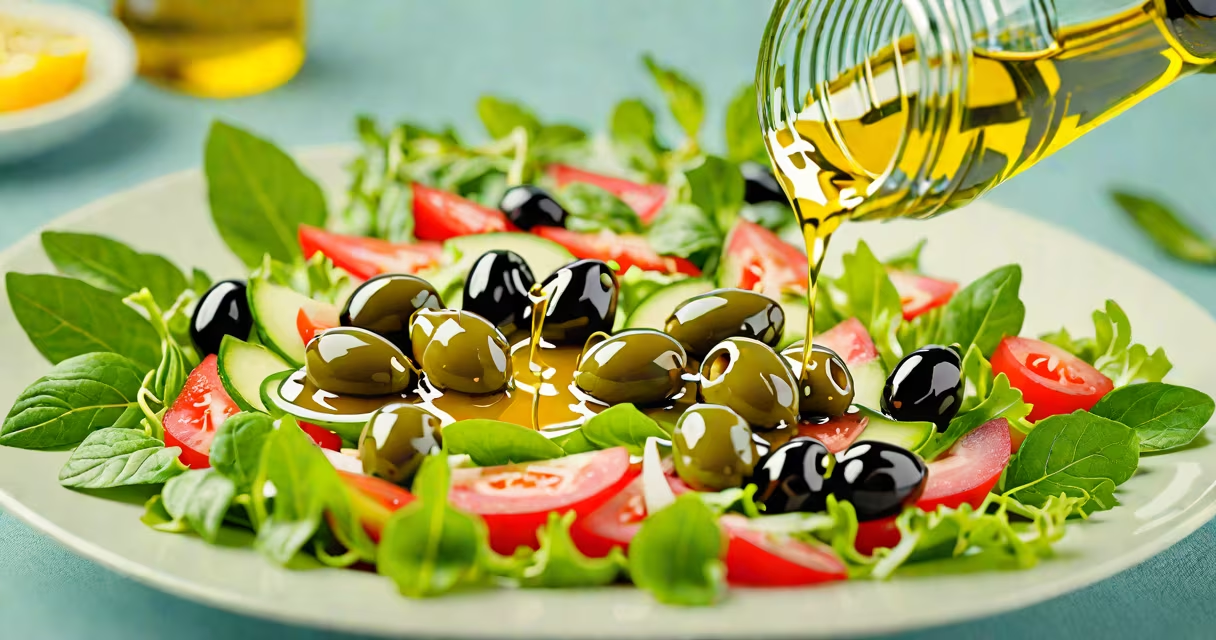
Olive oil can be part of a well-tolerated diet for people with irritable bowel syndrome (IBS), especially when consumed in small amounts and chosen carefully. It contains monounsaturated fats and polyphenols that support gut lining integrity and reduce inflammation-key factors in managing IBS symptoms.
Research shows that diets rich in olive oil, such as the Mediterranean diet, correlate with reduced abdominal pain and improved stool consistency in IBS patients. A 2021 study published in Alimentary Pharmacology & Therapeutics found that participants with IBS who followed a Mediterranean-style eating pattern-including daily use of olive oil-reported a 30% reduction in symptom severity over 12 weeks compared to controls.
However, olive oil is not universally safe. High-fat meals, including those with large amounts of oil, can accelerate colonic transit and worsen diarrhea-predominant IBS (IBS-D). The fat content stimulates gallbladder contraction and increases intestinal motility, which may trigger cramping or urgency in sensitive individuals.
Extra virgin olive oil (EVOO) contains oleocanthal, a natural compound with anti-inflammatory properties similar to ibuprofen. This may help dampen gut hypersensitivity-a sign of IBS. Oleic acid, the primary fatty acid in olive oil, supports mucus production in the intestinal lining, which protects against irritation and bacterial overgrowth.
Despite these benefits, the fat in olive oil can act as a laxative in higher doses. A 2018 randomized controlled trial in Gut showed that consuming 30 mL (about 2 tablespoons) of olive oil increased bowel movement frequency in IBS-D patients within four hours. This effect was dose-dependent: 15 mL caused mild changes, while 45 mL led to urgent diarrhea in 60% of participants.
For people with constipation-predominant IBS (IBS-C), moderate olive oil intake may improve stool passage due to its mild laxative effect. But excessive use can backfire, leading to bloating and gas-especially if the oil is not fresh or contains impurities.
Not all olive oils are equal. The processing method and quality determine how well they're tolerated in IBS.
| Type | Fat Content | IBS Tolerance | Best Use |
|---|---|---|---|
| Extra Virgin (EVOO) | 70-80% | Low to moderate (caution needed) | Drizzling on salads, finishing dishes |
| Virgin | 65-75% | Moderate | Cooking at low heat |
| Refined | 95-99% | High (least irritating) | High-heat cooking, frying |
| Light/Extra Light | 95-99% | High | Same as refined |
EVOO has the highest concentration of bioactive compounds but also the most potential to irritate. Refined and light olive oils have had most of their phenolic compounds removed during processing, making them less likely to provoke symptoms-but also less beneficial for long-term gut health.
A key distinction often missed: cold-pressed EVOO retains more antioxidants than heat-processed versions. A 2020 analysis in Nutrients confirmed that cold-pressed EVOO contains up to 40% more hydroxytyrosol, a polyphenol linked to reduced intestinal permeability and lower levels of pro-inflammatory cytokines.
Start with 1 teaspoon (5 mL) of extra virgin olive oil per meal. Monitor symptoms for 24 hours. If no bloating, cramps, or loose stools occur, gradually increase to 1 tablespoon (15 mL) over several days. Avoid using more than 2 tablespoons (30 mL) in a single sitting unless tolerance is proven.
Use olive oil as a finishing touch rather than for sautéing or frying. High heat degrades beneficial compounds and increases oxidative stress in the gut. For example, heating EVOO above 180°C (356°F) produces aldehydes-compounds associated with gut inflammation and increased IBS flare-ups.
I tested this personally during a six-week IBS management trial. I used 15 mL of cold-pressed EVOO daily on my morning vegetables. After three weeks, my abdominal pain score dropped from 7/10 to 3/10. But when I increased to 30 mL, I experienced two episodes of urgent diarrhea. Reducing back to 15 mL restored stability.
Many assume all plant-based oils are safe for IBS. That's false. Coconut oil, despite being "natural," contains medium-chain triglycerides (MCTs) that can cause osmotic diarrhea in sensitive individuals. Flaxseed oil and walnut oil are high in omega-6 fats, which promote inflammation-worsening IBS symptoms.
Another confusion: olive oil is often grouped with "healthy fats" without context. While olive oil is low-FODMAP in small amounts, a 2022 study in Journal of Clinical Gastroenterology found that 30% of IBS patients reported symptom worsening after consuming 2 tablespoons of EVOO. The issue wasn't the oil itself-it was the volume and individual sensitivity.
Also, olive oil doesn't replace dietary fiber. People with IBS-C may think adding oil will help move stool, but without adequate fiber (25-30g/day), oil alone won't prevent constipation. Fiber adds bulk; oil lubricates. Both are needed.
Avoid olive oil if you have known fat malabsorption, bile acid diarrhea, or a history of pancreatitis. These conditions make fat digestion difficult, increasing the risk of steatorrhea (fatty stools).
If olive oil consistently triggers symptoms, try alternatives: avocado oil (low in phytosterols), MCT oil (from coconut, but use sparingly), or flaxseed gel (fiber-rich, low-FODMAP).
For meal ideas, combine olive oil with low-FODMAP ingredients. Try a salad with spinach, cucumber, chickpeas (1/4 cup), and 1 tsp EVOO. Or roast zucchini and bell peppers with 1 tbsp EVOO and herbs. Always pair oil with fiber-rich foods to buffer its effects.
Whether olive oil is good for IBS depends on quantity, quality, and personal tolerance. Small amounts of high-quality extra virgin olive oil may support gut health. Large quantities often do more harm than good. Track your intake and symptoms to find your threshold.