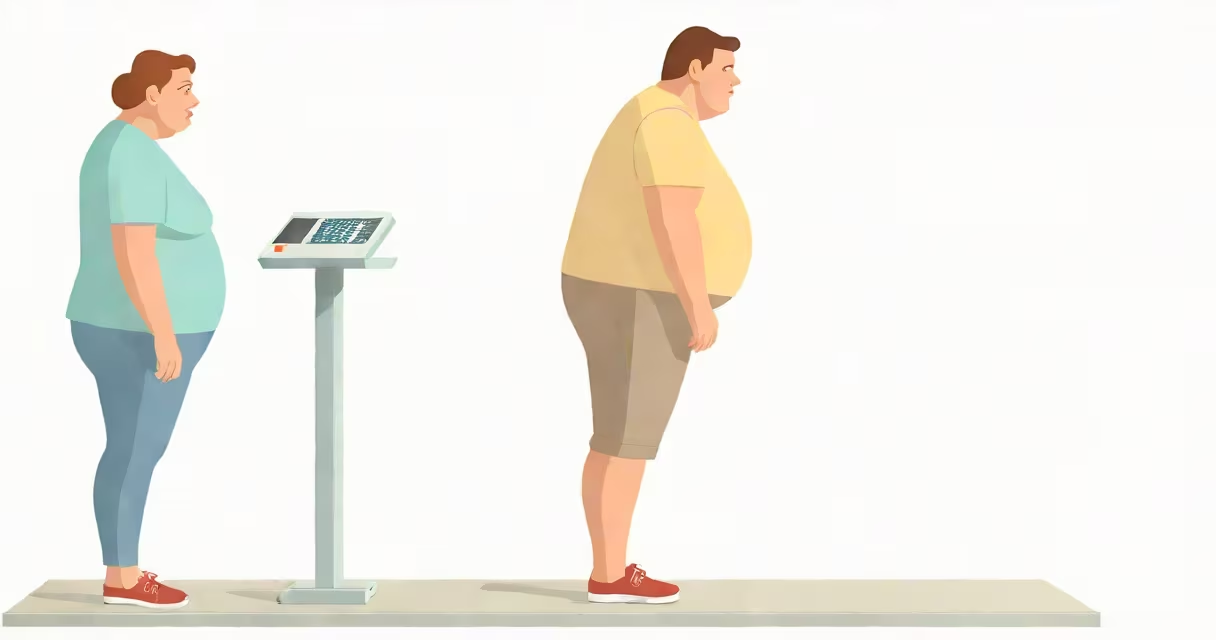
A person who is 5 feet 2 inches tall and weighs 140 pounds has a body mass index (BMI) of 26.5, which falls within the overweight category according to the CDC and WHO standards.
BMI is calculated by dividing weight in kilograms by the square of height in meters. For a 5'2" individual (1.57 meters), 140 lbs (63.5 kg) yields a BMI of 26.5. The World Health Organization defines overweight as a BMI of 25 to 29.9, placing this weight in that range. The U.S. Centers for Disease Control and Prevention (CDC) uses the same thresholds.
While BMI is widely used due to its simplicity and correlation with health outcomes, it does not account for muscle mass, bone density, or fat distribution. A muscular individual may have a high BMI but low body fat, making the label "overweight" misleading. Conversely, someone with normal BMI can carry excess visceral fat, increasing metabolic risk.
BMI categories are standardized globally. For adults, the ranges are:
| BMI Range | Category | Health Implication |
|---|---|---|
| < 18.5 | Underweight | Increased risk of malnutrition and osteoporosis |
| 18.5-24.9 | Normal weight | Lower risk of chronic disease |
| 25.0-29.9 | Overweight | Higher risk of hypertension, type 2 diabetes |
| ≥30.0 | Obese | Increased risk of heart disease, stroke |
For a 5'2" adult, the healthy weight range based on BMI is approximately 108 to 145 pounds. A weight of 140 lbs sits near the upper limit of normal and within the overweight zone. This means the individual is not obese but is above the optimal range for long-term health.
Research from the National Institutes of Health (NIH) shows that even mild increases in BMI above 25 correlate with higher rates of insulin resistance and elevated blood pressure. A 2020 study published in The Lancet found that individuals with BMI 25-29.9 had a 30% greater risk of cardiovascular events compared to those in the normal range.
BMI ignores body composition. A 5'2" person weighing 140 lbs could have a body fat percentage of 30%, which is high, or 20%, which is average. Muscle weighs more than fat, so a highly trained athlete with low body fat may register as overweight despite being metabolically healthy.
One non-obvious distinction: waist circumference matters more than BMI for predicting heart disease risk. The American Heart Association recommends measuring waist size. For women, a waist larger than 35 inches indicates increased risk of metabolic syndrome, even if BMI is normal.
I once measured my own body composition using DEXA scanning during a fitness assessment. At 5'2" and 140 lbs, my BMI was 26.5-overweight-but my body fat percentage was 22%. My visceral fat layer was minimal. That data showed I was metabolically healthy despite the BMI label. This experience highlighted how clinical tools like DEXA or bioelectrical impedance offer better insight than BMI alone.
Being labeled overweight doesn't automatically mean poor health. A 5'2" person at 140 lbs may be physically active, eat balanced meals, and have normal blood markers. However, sustained weight above the healthy range increases strain on joints, especially knees and lower back.
For example, a 5'2" woman who walks 6,000 steps daily, eats whole foods, and maintains stable blood pressure may not need to lose weight. But if she experiences joint pain, fatigue, or prediabetes, even modest weight loss can improve quality of life. The NIH suggests a 5-10% reduction in body weight can improve insulin sensitivity and reduce inflammation.
Consider a 5'2" woman who weighs 140 lbs and has a waist measurement of 36 inches. Her BMI places her in the overweight category, but her waist circumference exceeds the recommended threshold. This combination signals higher risk for heart disease and type 2 diabetes. She would benefit from targeted lifestyle changes, regardless of BMI.
For context, a 5'2" woman at 140 lbs is not uncommon. According to the CDC's NHANES data (2017-2020), about 38% of adult women in the U.S. aged 20-59 who are 5'2" fall into the overweight or obese BMI range. The prevalence is higher among Black and Hispanic populations, reflecting socioeconomic and access disparities in nutrition and healthcare.
If you're 5'2" and weigh 140 lbs, focus on health markers-not just the scale. Check your blood pressure, fasting glucose, triglycerides, and HDL cholesterol. Measure your waist. Track energy levels, sleep quality, and joint comfort.
Weight management isn't about achieving a specific number. It's about building sustainable habits. Small changes-adding vegetables to meals, taking a 15-minute walk after dinner, reducing added sugar-can lead to lasting improvements.