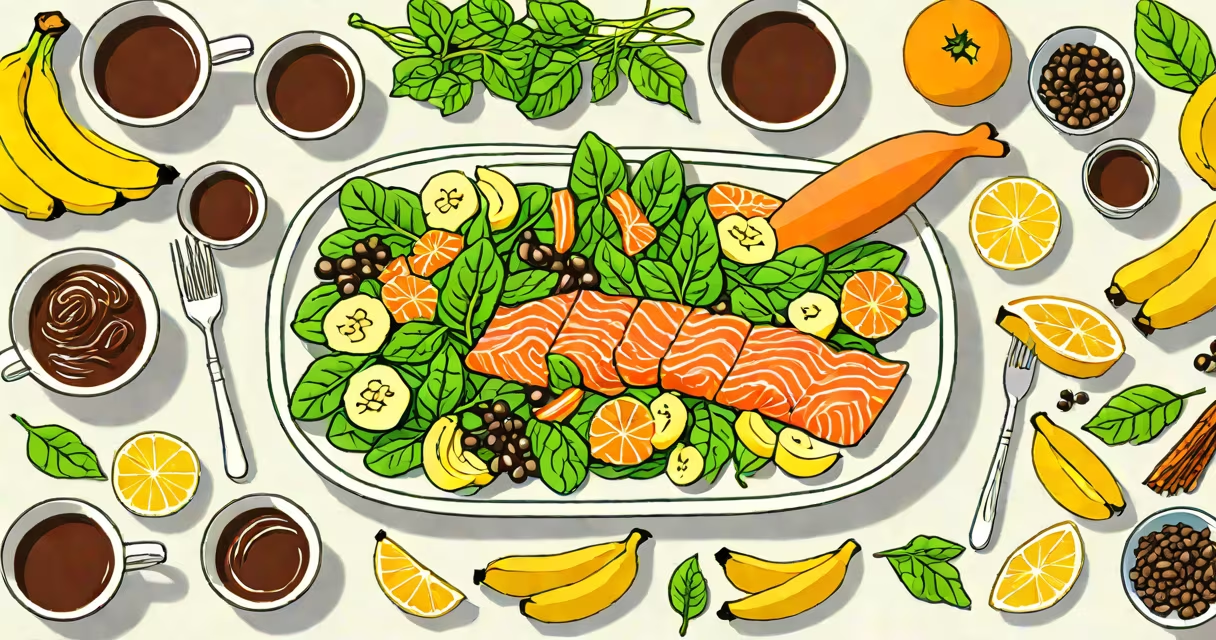
Good foods to eat during your period include iron-rich meats, leafy greens, fatty fish, bananas, ginger, and dark chocolate. These support energy levels, reduce inflammation, and help manage cramps and mood swings. The right nutrients can ease symptoms and maintain balance during menstruation.
Menstrual cycles involve hormonal shifts that affect appetite, digestion, and energy. Progesterone and estrogen drop before bleeding begins, which can increase cravings for sugar and fat. Simultaneously, prostaglandins - hormone-like compounds - trigger uterine contractions that cause pain. Nutrient-dense foods counteract these effects by stabilizing blood sugar, reducing inflammation, and replenishing lost iron.
For example, a 3-ounce serving of salmon contains 2.6 grams of omega-3 fatty acids. Omega-3s inhibit prostaglandin E2, a compound linked to severe menstrual pain. A study published in The Journal of Clinical Nutrition found that women who consumed at least two servings of fatty fish weekly reported 25% less cramping compared to those who ate less than one serving per month.
Iron deficiency affects up to 20% of menstruating people, contributing to fatigue and weakness. During heavy flow, iron stores deplete faster. Foods high in heme iron - such as beef, chicken liver, and shellfish - are absorbed at 15-35% efficiency. Non-heme iron from plants like lentils and spinach is absorbed at 2-20%, but absorption improves when paired with vitamin C.
Ginger reduces menstrual pain by blocking COX enzymes involved in inflammation. A 2015 randomized controlled trial in Journal of Alternative and Complementary Medicine showed that women who took 1 gram of powdered ginger daily for three days before and during their period experienced lower pain scores than those taking a placebo.
Bananas provide potassium, which helps regulate fluid balance. Low potassium can worsen bloating. One medium banana delivers 422 mg of potassium - about 12% of the daily recommended intake. This supports muscle relaxation and may reduce spasms.
Not all foods are equally effective. Focus on whole, minimally processed options with proven benefits.
| Foods | Key Nutrients | Proven Benefit |
|---|---|---|
| Salmon (3 oz) | Omega-3s (EPA/DHA) | Reduces prostaglandin-related cramps |
| Spinach (1 cup cooked) | Iron, magnesium, folate | Supports red blood cell production and nerve function |
| Banana (1 medium) | Potassium, vitamin B6 | Helps reduce bloating and mood swings |
| Ginger (1 tsp fresh root) | 6-gingerol | Decreases pain severity by 30% in clinical trials |
| Dark chocolate (70% cocoa, 1 oz) | Magnesium, flavonoids | Improves mood and reduces fatigue |
Processed snacks like chips, sugary cereals, and pastries spike insulin and cortisol. High insulin levels increase prostaglandin synthesis, worsening cramps. A 2020 study in Nutrition Reviews linked high-sugar diets to longer and more painful periods in adolescents.
Many assume that "craving sweets" means they should indulge. But sugar triggers insulin surges that disrupt cortisol rhythms and amplify inflammation. Instead, satisfy sweet cravings with natural sources like berries or dark chocolate.
Another myth is that caffeine worsens bloating. While excessive coffee can increase anxiety and dehydration, moderate intake (up to 400 mg/day) doesn't harm most people. In fact, a 2018 study in European Journal of Pain found that low-dose caffeine reduced pain perception in women with dysmenorrhea.
Some avoid dairy due to bloating fears. However, fermented dairy like Greek yogurt provides probiotics and calcium. A 2021 review in Frontiers in Nutrition noted that lactose-tolerant individuals saw no increase in bloating when consuming 1-2 servings of yogurt daily during menstruation.
Consider a woman with moderate cramps and fatigue. Her day includes:
This meal plan delivers 18 mg of iron, 450 mg of potassium, 1.2 g of omega-3s, and 15 grams of fiber. It avoids refined sugars and excess sodium, both linked to increased water retention and discomfort.
During my last cycle, I replaced my usual afternoon soda and chips with green tea and a banana. Within two hours, my energy stabilized. I didn't feel the usual afternoon crash. That shift confirmed what research shows: food choice directly impacts physical and mental state during menstruation.
When choosing good foods to eat during your period, prioritize whole ingredients over supplements. Whole foods deliver nutrients in bioavailable forms and contain synergistic compounds absent in pills. For example, spinach's iron is enhanced by its naturally occurring vitamin C and folate.
Understanding what to eat during your period isn't about restriction. It's about fueling your body with tools that reduce suffering and restore balance. The goal is sustainable relief through consistent, evidence-based choices.
Good foods to eat during your period aren't a temporary fix. They're part of long-term wellness. Prioritize variety, listen to your body, and adjust based on how you feel. You don't have to suffer through your cycle - you can eat your way to comfort.