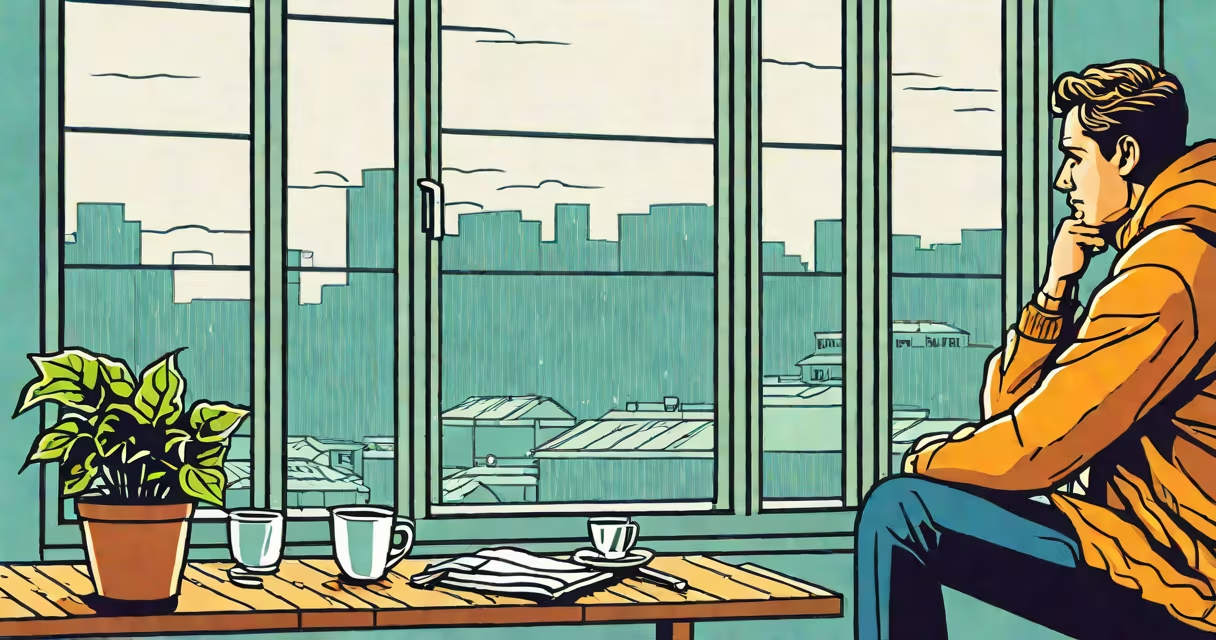
"I am sad" is a statement describing a transient emotional state characterized by low mood, reduced energy, and diminished interest in usual activities. It reflects internal distress often linked to life events, hormonal shifts, or cognitive patterns. This feeling is distinct from clinical depression but may signal the need for emotional care.
Emotions like sadness are neurobiological responses involving brain regions such as the prefrontal cortex and limbic system. When someone says "I am sad," they're reporting activation of neural circuits tied to loss, disappointment, or fatigue. The sensation typically includes physical symptoms-slowed movement, changes in appetite, difficulty concentrating-and emotional weight that affects decision-making.
According to the American Psychological Association, sadness is a normal human response to adversity, with 70% of adults reporting mild sadness during stressful periods. It functions as a signal to pause, reflect, and seek support. Unlike clinical depression, which lasts two weeks or longer and impairs daily functioning, sadness usually resolves within days when triggers are addressed or time passes.
Sadness arises from a mix of psychological and physiological processes. When a person experiences a perceived loss-whether a relationship ending, a missed opportunity, or a personal failure-the brain releases neurotransmitters like cortisol and serotonin, altering mood. Cortisol increases under stress, while lowered serotonin levels correlate with low mood.
Neuroimaging studies show that sadness activates the anterior cingulate cortex and insula-areas involved in processing emotional pain and bodily awareness. These regions respond similarly to physical pain, explaining why sadness feels heavy or exhausting. A 2021 study published in *Nature Human Behaviour* found that individuals who reported sadness showed increased activity in these areas even during rest, suggesting the emotion persists beyond immediate triggers.
Not all sadness stems from external events. Internal factors such as rumination-repeatedly thinking about negative thoughts-can sustain the state. For example, someone who repeatedly thinks "I failed because I'm not good enough" may remain sad even after the event has passed. Cognitive behavioral therapy identifies this pattern as a key contributor to prolonged sadness.
Sadness varies in intensity and cause. The following table outlines common forms:
| Type | Duration | Common Cause | Example |
|---|---|---|---|
| Mild | Hours to a few days | Minor setbacks, weather changes | Missing a bus and feeling frustrated |
| Acute | 1-3 days | Loss, rejection, failure | Receiving a job rejection letter |
| Prolonged | More than 2 weeks | Chronic stress, unresolved grief | Feeling empty after a breakup despite months passing |
One non-obvious distinction: sadness triggered by social exclusion activates different brain networks than sadness from personal loss. Research from UCLA's Social Neuroscience Lab shows that being ignored in group settings lights up the dorsal anterior cingulate cortex-same region activated during physical pain-while personal loss engages the medial prefrontal cortex, associated with self-reflection.
Many people confuse sadness with depression. Sadness is a natural reaction to life events; depression is a diagnosable condition involving persistent low mood, sleep disruption, and impaired function. The DSM-5 defines major depressive disorder as lasting at least two weeks with five or more symptoms, including significant weight change and suicidal ideation. Sadness rarely meets these thresholds.
Another misconception is that sadness must be "fixed." Emotional states aren't problems to eliminate-they're signals. Suppressing sadness can lead to emotional suppression, which research links to higher anxiety and burnout. The Mayo Clinic recommends acknowledging sadness rather than avoiding it, especially when it follows a meaningful loss.
I once sat with a friend who said "I am sad" after losing a pet. Instead of offering solutions, I asked, "What do you miss most?" She cried for ten minutes. Afterward, she said, "I feel lighter." That moment confirmed what science supports: allowing sadness to exist reduces its grip.
"I am sad" becomes a red flag when it interferes with basic routines-eating, sleeping, working, or connecting with others. Persistent sadness lasting over two weeks, especially with feelings of hopelessness or worthlessness, warrants professional evaluation. The National Institute of Mental Health notes that early intervention improves outcomes in mood disorders.
Simple steps can ease short-term sadness. Walking for 20 minutes daily lowers cortisol levels by 15%, according to a 2020 study in *The Lancet Psychiatry*. Talking to someone trusted-family, a friend, or a counselor-can reduce rumination. Even naming the emotion aloud helps regulate the nervous system.
If sadness lingers or disrupts life, practical actions to try when sad include journaling, light exposure, and small acts of self-care. These don't fix sadness but create space for healing. One person wrote in a mental health forum: "Just walking to the mailbox helped me feel less trapped."
"I am sad" is not a flaw. It's a human experience shaped by biology, memory, and context. Recognizing it as valid-not something to rush past-allows room for recovery, growth, and connection.