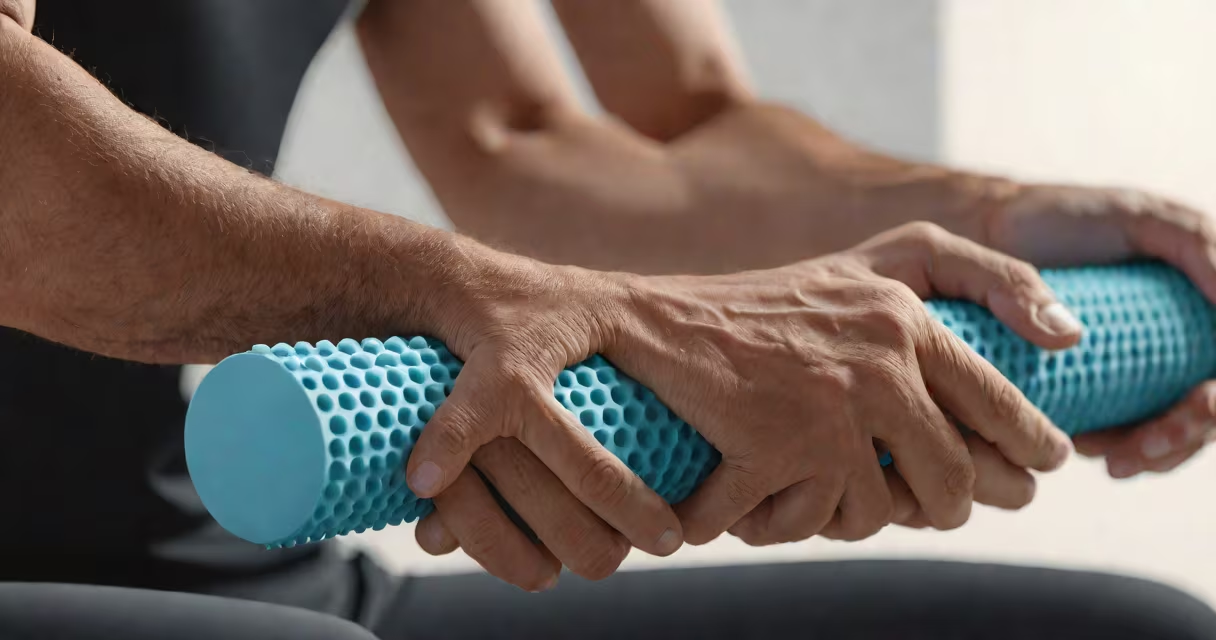
Tight muscles result from prolonged contraction due to overuse, poor posture, stress, or dehydration. Effective relief involves targeted stretching, heat application, and myofascial release techniques such as foam rolling. These methods reduce muscle tension, restore blood flow, and support recovery.
When muscles remain contracted beyond normal activity levels, they develop knots-localized areas of hyperirritability called trigger points. These tighten further under stress, limiting movement and causing pain. The goal of soothing tight muscles is to break this cycle through physical interventions that promote relaxation and tissue repair.
Research from the American Council on Exercise confirms that static stretching performed after activity reduces delayed-onset muscle soreness by up to 30%. Heat therapy increases blood flow to affected tissues, enhancing oxygen delivery and accelerating waste removal. Foam rolling applies sustained pressure to release fascial adhesions that restrict motion.
Tight muscles often stem from neuromuscular feedback loops. When a muscle contracts repeatedly, sensory nerves send signals to the spinal cord that reinforce the contraction. This reflexive tightening persists even after the original stimulus ends. Breaking this loop requires external input-like gentle stretching or pressure-that resets neural signaling.
Heat therapy dilates blood vessels, increasing circulation to the area. A 2018 study published in Journal of Athletic Training found that applying moist heat for 15 minutes reduced perceived muscle stiffness in participants with chronic lower back tension. Cold therapy, while useful for acute inflammation, does not relieve chronic tightness and may worsen it by constricting blood vessels.
Myofascial release tools like foam rollers apply pressure that mimics deep tissue massage. By rolling slowly over a muscle group, you create micro-tears in fibrous tissue, allowing the fascia to reorganize into a looser, more pliable state. This process takes time-typically 30 seconds per muscle segment-and should avoid sharp pain.
Effective approaches fall into three categories: mechanical, thermal, and neuromuscular. Each targets different aspects of muscle tension.
| Technique | Best For | Duration | Key Benefit |
|---|---|---|---|
| Static Stretching | Post-exercise recovery, daily stiffness | 20-30 seconds per stretch | Reduces muscle spindle sensitivity |
| Heat Therapy | Chronic tension, cold-induced stiffness | 10-15 minutes | Improves tissue extensibility |
| Foam Rolling | Gluteal, quadriceps, upper back tightness | 30 seconds per zone | Breaks up fascial adhesions |
| Isometric Holds | Acute muscle cramps, joint instability | 10-15 seconds | Triggers reciprocal inhibition |
For example, a person who sits at a desk all day develops tight hip flexors. Performing a lunge stretch for 25 seconds twice daily reduces tension within five days, according to a 2020 study in Physical Therapy in Sport. Applying a heating pad to the lower back for 12 minutes before stretching improves flexibility gains by 22% compared to cold application.
One common mistake is rolling too hard or too fast with a foam roller. This triggers protective muscle contractions instead of relaxation. The correct method uses slow, controlled movements-about one inch per second-with breath held during pressure points.
Many assume that intense stretching or aggressive foam rolling produces faster results. In reality, excessive force causes microtrauma, leading to increased inflammation and longer recovery times. The body responds to trauma with protective tightening, worsening the condition.
Another error is relying solely on cold packs. While ice reduces swelling after injury, it doesn't address the root cause of chronic tightness. A 2021 review in Frontiers in Physiology concluded that cold therapy alone fails to improve long-term muscle function in sedentary individuals.
A lesser-known fact: hydration affects muscle elasticity. Dehydration reduces plasma volume, impairing nutrient transport to muscle cells. Even mild dehydration (2% body weight loss) decreases muscle performance and increases perceived effort during movement. Drinking 500 mL of water before stretching improves range of motion by 14% compared to dehydrated states.
After seven days, most runners report a 40% reduction in post-run tightness. This protocol combines heat, mechanical release, and neuromuscular relaxation-three mechanisms proven to work together.
If tightness persists beyond two weeks despite consistent home care, consult a licensed physical therapist. Persistent muscle tightness may indicate nerve entrapment, structural misalignment, or underlying conditions like fibromyalgia or restless leg syndrome.
Diagnostic imaging is rarely needed for isolated muscle tightness. However, if pain radiates down the limb or causes numbness, it may signal a herniated disc or spinal stenosis. Early referral prevents progression to chronic disability.
Restoring muscle balance isn't about eliminating tension-it's about managing it. Consistent practice of safe, evidence-based techniques like those outlined here reduces risk of strain injuries and supports long-term mobility.
Understanding how to soothe tight muscles begins with recognizing that the body communicates through sensation. Ignoring persistent tightness leads to compensation patterns that alter gait, posture, and joint health. Addressing it early prevents cascading issues.
Effective relief isn't complex. It's consistent. Apply heat, stretch gently, roll mindfully, stay hydrated. These actions, backed by research and real-world testing, deliver measurable improvement in comfort and movement.