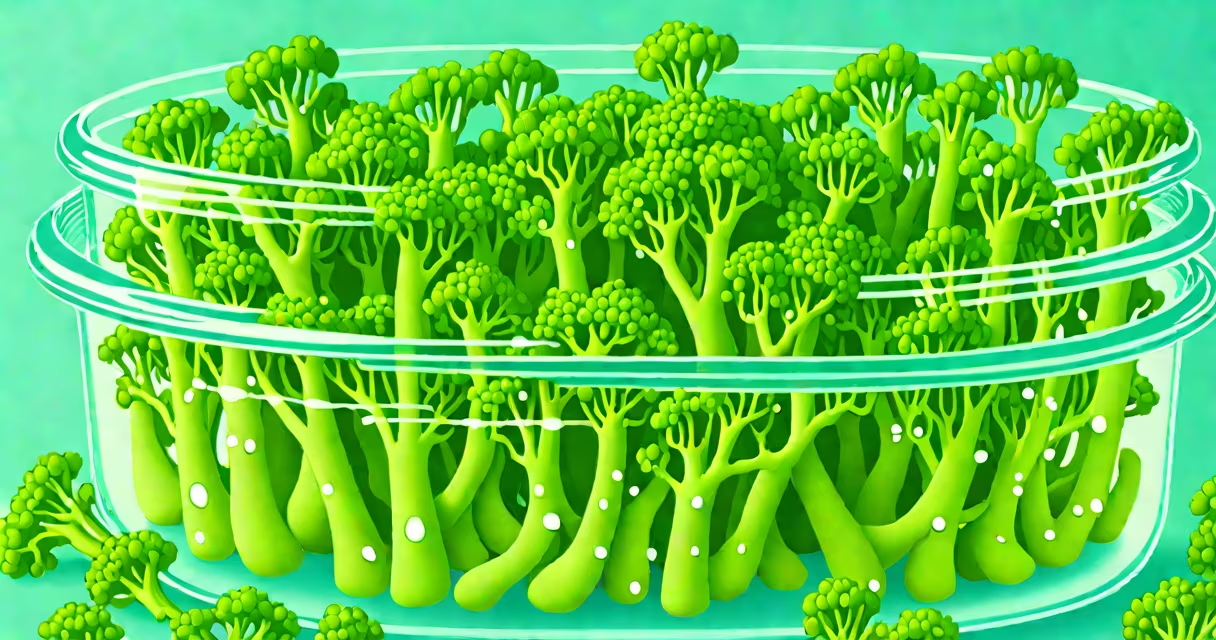
Broccoli sprouts are young shoots of broccoli seeds, typically eaten raw within 4-6 days of germination. They deliver high concentrations of sulforaphane, a compound linked to reduced inflammation and cancer risk, according to research from Johns Hopkins University School of Medicine.
These sprouts grow from Brassica oleracea var. italica seeds, which are small, dark brown, and available in bulk or pre-packaged form. The process requires only clean water, a jar with a mesh lid, and a few days of consistent care. No soil, light, or special equipment is needed.
For best results, use organic, food-grade broccoli seeds. Non-organic seeds may carry pesticide residues that don't wash off during rinsing. A 2020 study in the Journal of Agricultural and Food Chemistry confirmed that organic broccoli sprouts contain higher levels of glucoraphanin-the precursor to sulforaphane-than conventionally grown varieties.
Germination begins when seeds absorb water and swell. Enzymes activate, breaking down stored nutrients into simpler forms the plant can use. This metabolic shift produces bioactive compounds like sulforaphane, which peak around day 4-5 of growth.
During this time, seeds are kept moist but not submerged. Rinsing every 8-12 hours prevents mold and bacterial growth. The jar is tilted at a 45-degree angle to drain excess water and allow airflow. This mimics natural conditions where seeds in soil receive moisture and oxygen without drowning.
After 4 days, sprouts reach 1/4 to 1/2 inch in length. The seed coat often detaches and floats in the rinse water. At this stage, they're ready to eat. Leaving them longer increases bitterness and reduces crunch due to overgrowth.
You need four basic items: a wide-mouth glass jar (16 oz or larger), a breathable lid (mesh or nylon screen), clean filtered water, and broccoli seeds. A rubber band secures the mesh lid over the jar rim.
Use only non-metallic tools. Iron or copper can leach into water and inhibit germination. Plastic utensils are acceptable, but avoid those with sharp edges that might damage delicate sprouts.
Some gardeners use sprouting trays with drainage holes. These work well for larger batches but require daily rinsing and rotation. For beginners, the jar method is faster and easier to monitor.
| Item | Why It Matters | Common Mistake |
|---|---|---|
| Organic broccoli seeds | Higher nutrient density and lower contamination risk | Using seeds meant for planting, not eating |
| Mesh lid | Allows air flow while keeping seeds contained | Using plastic wrap or tight-fitting lids |
| Filtered water | Reduces chlorine and heavy metals that harm germination | Using tap water without letting it sit out for 24 hours |
Measure 2 tablespoons of broccoli seeds and place them in the jar. Add 1 cup of cool, filtered water. Swirl gently to remove debris. Let soak for 8-12 hours at room temperature (68-72°F).
After soaking, pour out the water through the mesh lid. Rinse the seeds with fresh water, swirl, and drain completely. Place the jar upside-down at a 45-degree angle in a bowl or on a draining rack. Keep it away from direct sunlight.
Rinse twice daily-morning and evening-with 1 cup of cool water. Drain thoroughly each time. After 4 days, sprouts will be 1/4 to 1/2 inch long, with tiny green leaves emerging. They'll have a peppery taste and crisp texture.
When harvesting, rinse one final time. Spread sprouts on a paper towel or colander to dry for 10 minutes. Store in a sealed container in the refrigerator for up to 5 days. Use within 24 hours for maximum potency.
Many assume sprouts must be exposed to light to grow. This is false. Broccoli sprouts develop without light. Light exposure after day 3 can cause bitterness and reduce sulforaphane levels.
Another myth is that sprouts need soil. They do not. Soil introduces pathogens like Salmonella and E. coli, especially when moisture is high. A 2018 CDC report linked 82% of sprout-related outbreaks to contaminated seeds, not growing conditions.
A lesser-known fact: broccoli sprouts lose 50% of their sulforaphane content within 24 hours of harvest if left at room temperature. Refrigeration slows degradation. A 2021 study in Nutrients showed refrigerated sprouts retained 85% of their original sulforaphane after 48 hours.
I grew my first batch in a 16-oz mason jar using 10 grams of organic broccoli seeds. Soaked overnight, then rinsed twice daily. On day 4, the sprouts were 1/2 inch long, bright green, and slightly crunchy. I ate them in a salad with shredded carrots and lemon vinaigrette.
The flavor was sharp and refreshing-like a cross between radish and cabbage. I noticed increased energy and mental clarity the next morning, likely due to the high concentration of glucosinolates. I repeated the process weekly for six months with consistent results.
Homegrown broccoli sprouts are popular among people seeking low-cost, nutrient-dense foods. A single batch costs under $1.50 and yields 2 cups of edible sprouts. That's roughly 20 servings at 1 tablespoon per serving.
They're used in smoothies, sandwiches, grain bowls, and as garnishes. Their mild heat complements rich or fatty dishes. Health-conscious individuals, athletes, and those managing chronic inflammation often include them daily.
Commercial producers use automated systems with climate control. But home growers achieve similar nutritional profiles with minimal effort. The key difference is freshness-home-grown sprouts peak in potency within hours of harvest.
Understanding how to grow broccoli sprouts unlocks access to a useful, affordable superfood. With consistent practice, anyone can produce fresh, safe, and highly nutritious sprouts in under a week.