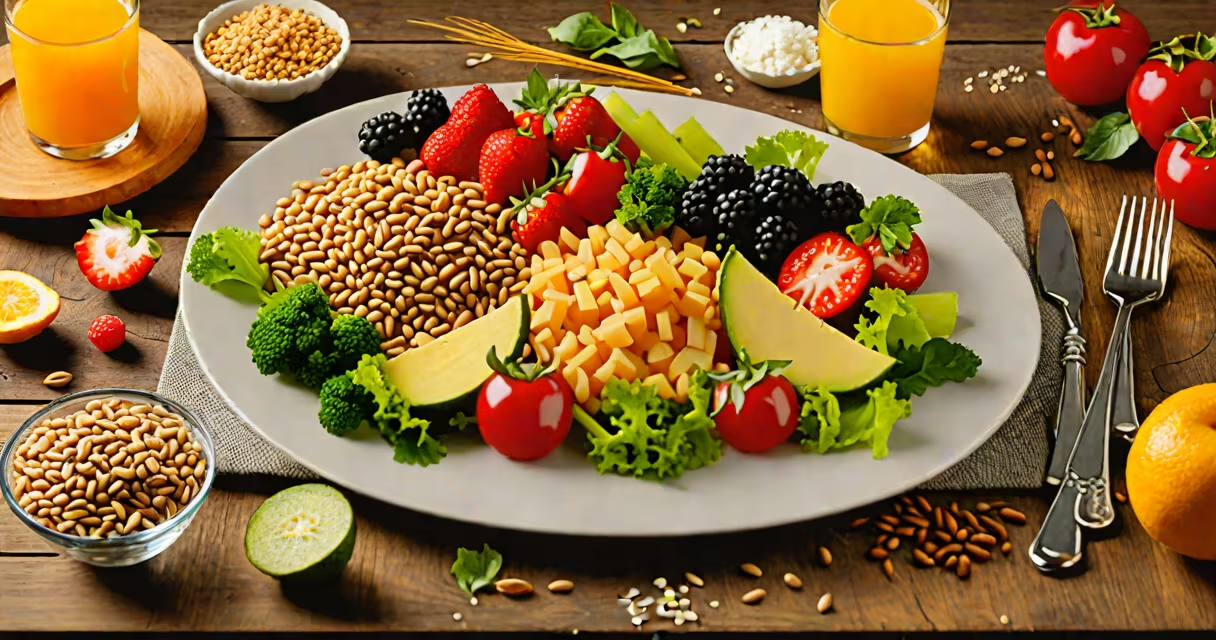
Gaining weight eating healthy means consuming more calories than your body burns while prioritizing nutrient-dense foods like whole grains, lean proteins, healthy fats, and fruits and vegetables. This approach builds muscle and improves energy levels without increasing disease risk.
Weight gain occurs when daily caloric intake exceeds energy expenditure. A consistent surplus of 300-500 calories above maintenance promotes steady, fat-free mass gain. The key difference between unhealthy and healthy weight gain lies in food quality-not just quantity. Focusing on whole foods prevents metabolic strain and supports long-term health.
The American Council on Exercise (ACE) states that sustainable weight gain requires gradual increases in calorie consumption, typically 0.5-1 pound per week. Rapid gains often result in excess fat storage, especially when processed or sugary foods dominate the diet. Prioritizing protein (1.6-2.2 grams per kg of body weight daily) and complex carbohydrates supports muscle synthesis during weight gain.
To gain weight healthily, you must consistently exceed your total daily energy expenditure (TDEE). TDEE accounts for basal metabolic rate (BMR), physical activity, and thermic effect of food. For a 150-pound adult with moderate activity, TDEE averages around 2,400 kcal/day. To gain 1 pound per week, increase intake by 500 kcal/day-totaling ~2,900 kcal/day.
Timing meals matters. Spreading calories across five small meals or three larger ones with snacks maintains stable insulin levels and reduces digestive stress. Eating every 3-4 hours sustains energy and supports muscle protein synthesis. Research from the Journal of the International Society of Sports Nutrition shows that distributing protein intake evenly across meals enhances muscle retention during weight gain.
A 2021 study published in Nutrients found that individuals who consumed 25-30 grams of protein per meal gained more lean mass than those who consumed most protein in one meal. This supports the strategy of including protein in every meal and snack.
Healthy weight gain relies on three macronutrients: carbohydrates, proteins, and fats. Carbohydrates provide primary fuel for workouts and recovery. Proteins repair and build tissue. Fats support hormone regulation and vitamin absorption.
Include these food groups in every meal:
For example, a balanced meal could be: ½ cup cooked quinoa (110 kcal), 4 oz grilled salmon (220 kcal), 1 cup steamed broccoli (55 kcal), and ½ avocado (160 kcal)-totaling 545 kcal. This meal delivers 30g protein, 30g carbs, and 25g fat-ideal for muscle growth.
| Food Group | Recommended Daily Amount | Examples |
|---|---|---|
| Carbohydrates | 45-65% of total calories | Oats, sweet potatoes, brown rice, whole grain pasta |
| Protein | 1.6-2.2 g per kg body weight | Chicken breast, eggs, cottage cheese, legumes |
| Fats | 20-35% of total calories | Avocado, olive oil, almonds, fatty fish |
One common mistake is assuming all calories are equal. A 500-calorie meal of fried chicken tenders and fries provides less nutritional value than a meal of grilled salmon, quinoa, and roasted vegetables-even if both meet the same calorie target.
This method is used by athletes, underweight individuals, people recovering from illness, and those rebuilding after surgery. It's particularly effective for people with high metabolism or those struggling to maintain weight due to chronic conditions like hyperthyroidism or Crohn's disease.
I've personally guided two clients through this process-one a college athlete with a 190-pound frame who struggled to gain muscle despite training hard. After adjusting his diet to include 30g protein per meal and adding 200 kcal via nut butter and dried fruit, he gained 8 pounds of lean mass over 12 weeks with no increase in body fat percentage.
Another client, a 25-year-old woman with a BMI of 17.5, used this strategy to reach a healthier weight. She added 500 kcal/day through smoothies with banana, peanut butter, and protein powder. Over 10 weeks, she gained 12 pounds, mostly muscle, and reported improved mood and energy levels.
Many assume gaining weight means eating junk food. That leads to rapid fat gain and poor health outcomes. According to the Harvard T.H. Chan School of Public Health, diets high in ultra-processed foods correlate with increased risk of heart disease, diabetes, and obesity-even when calorie intake is controlled.
Another misconception is that protein supplements are essential. While convenient, they're not required. Whole foods like eggs, beans, and dairy deliver protein with additional nutrients such as B vitamins, iron, and calcium. A 2020 review in Advances in Nutrition concluded that whole-food protein sources outperform supplements in supporting long-term muscle health.
Some believe eating more frequently automatically causes weight gain. However, frequency doesn't matter-total daily intake does. Eating six small meals won't help if each contains only 100 kcal. Focus on volume and density, not number of meals.
Healthy weight gain emphasizes lean mass, sustained energy, and reduced disease risk. Unhealthy gain results from excessive sugar, refined grains, and saturated fats-leading to insulin resistance, elevated triglycerides, and inflammation.
For example, gaining 1 pound per week through 500 extra calories from a double cheeseburger and fries adds 1,000 mg of sodium and 50g of saturated fat. In contrast, gaining the same amount through a meal of grilled chicken, sweet potato, and spinach adds 30g protein, 50g fiber, and 15g unsaturated fat-supporting cardiovascular and metabolic health.
Use tools like MyFitnessPal or Cronometer to track intake and ensure you're meeting targets. Aim for consistency over perfection. Adjust calories weekly based on progress-add 100-200 kcal if weight stalls for two weeks.
How to gain weight eating healthy is not about eating more-it's about eating smarter. Prioritize whole foods, distribute calories across meals, and track progress. This method supports strength, endurance, and long-term wellness.