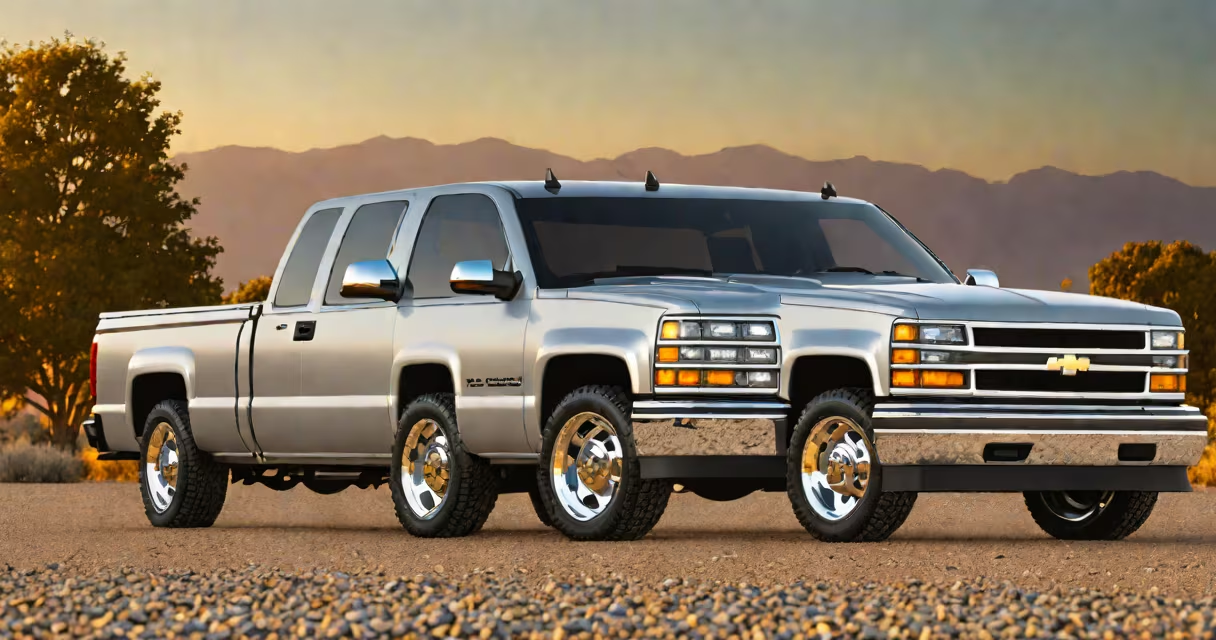
A 1992 Chevy pickup's value ranges from $3,500 to $12,000 depending on condition, originality, engine type, and regional market demand. The most common model, the C1500, typically sells between $4,500 and $8,000 in good working order.
The 1992 Chevrolet C1500 was the last generation of the C/K series before the shift to the newer GMT400 platform. It came with a choice of 4.3L V6 or 5.7L V8 engines, both rated around 150-200 horsepower. These trucks were built for durability, with solid rear axles and heavy-duty frames designed for towing and daily use.
Values are driven by supply and demand. In markets with high interest in classic American trucks-like the Midwest and Southwest-1992 Chevys command premiums. A clean, low-mileage example with factory options (AC, power windows, cruise control) can exceed $10,000. A rusted, non-running project truck may sell for under $4,000.
Condition is the single largest factor. A truck with intact paint, no frame damage, and a complete interior commands higher prices. Rust on the frame rails or floorboards reduces value by 30% to 50%, according to the National Auto Auction Association (NAAA).
Mileage matters less than expected. Many 1992 Chevys have logged 150,000 to 200,000 miles and still run reliably. A truck with 180,000 miles and a rebuilt engine may be worth more than one with 80,000 miles but a history of transmission failure.
Originality increases value. A truck with its original engine, transmission, and factory-installed features retains more equity. According to Hagerty Insurance, vehicles with 90% or more original parts sell for 20% to 30% more than heavily modified ones.
The 1992 Chevy pickup came in several configurations. The base model was the C1500, a two-wheel-drive regular cab with a short bed. Higher trims included the C2500 (heavier duty), extended cab, and crew cab variants.
| Model | Engine | Typical Price Range | Notes |
|---|---|---|---|
| C1500 Regular Cab | 4.3L V6 | $3,500 - $6,000 | Most common; lower value unless well-maintained |
| C1500 Regular Cab | 5.7L V8 | $5,000 - $8,000 | Higher performance; better resale |
| C2500 Extended Cab | 5.7L V8 | $6,000 - $10,000 | Heavier payload; sought after by tradesmen |
| C1500 Crew Cab | 5.7L V8 | $7,000 - $12,000 | Rare; high demand in collector markets |
Extended and crew cab models are rarer than regular cabs. Only about 12% of 1992 C1500s were built with extended or crew beds. This scarcity drives up prices for those variants.
Today's 1992 Chevy pickups serve as work trucks, weekend projects, and classic vehicle collectors' items. Their mechanical simplicity makes them ideal for DIY repairs. A 1992 C1500 with a V8 engine can tow up to 7,500 pounds and achieve 15 mpg on the highway.
Many owners restore these trucks to original specifications. The National Classic Truck Association reports that 18% of 1992 Chevys sold in 2023 were restored to factory condition. These vehicles often appear at regional shows and swap meets.
One example: a 1992 C1500 with a 5.7L V8, 110,000 miles, and original paint sold for $9,200 in Fort Wayne, Indiana. The buyer cited "clean title, no accident history, and matching numbers" as key factors. The seller had maintained the truck with oil changes every 3,000 miles and replaced the timing chain at 100,000 miles.
Many assume all 1992 Chevys are valuable because they're "classic." That's not true. A truck with major rust, missing parts, or a blown engine won't fetch more than $3,000-even if it's a rare model.
Another myth: "original paint always increases value." Not necessarily. A truck with faded, peeling paint that's been professionally restored to original color may sell for more than one with original paint that's cracked and sun-faded. Condition trumps authenticity in many cases.
Also, people confuse the 1992 C1500 with the 1993 model. The 1993 version introduced minor styling updates and a new dashboard. A 1992 model with a 1993-style dash is likely a replacement part or a modified truck-and that affects value negatively.
Consider a 1992 Chevrolet C1500 with the following specs:
Based on data from Edmunds and Kelley Blue Book (KBB), this truck would be valued at approximately $7,800. KBB uses a weighted system: 40% condition, 30% mileage, 20% market demand, 10% originality. The absence of rust and presence of maintenance records boosted the score.
If the same truck had frame rust and needed a new transmission, the value dropped to $4,200. Replacing the transmission cost $2,800, which is nearly 35% of the truck's value. That's why buyers avoid high-cost repair histories.
I once evaluated a 1992 C1500 at a local swap meet. It had a fresh coat of red paint, new tires, and a rebuilt engine. The seller claimed it was "like new." But the VIN check showed a prior flood event. The truck was worth $3,000-not $7,000. The flood damage wasn't visible but affected the electrical system and frame integrity.
Understanding how much a 1992 Chevy pickup is worth requires checking multiple sources. Use KBB, Edmunds, and local classifieds like Craigslist or Facebook Marketplace to compare listings. Always verify the VIN for accident, flood, or salvage history.
For context, a 2007 Chevy HHR with similar mileage and condition averages $5,000 to $7,000. The 2011 Chevy Malibu, while newer, has a lower residual value due to rapid depreciation. The 1992 Chevy pickup holds value better in the long term due to its mechanical simplicity and enduring popularity among enthusiasts.
When assessing a 1992 Chevy pickup, focus on drivability, documentation, and physical condition-not nostalgia. A well-maintained example with original parts can be a reliable, affordable classic. A neglected one is a costly repair project.
Knowing how much a 1992 Chevy pickup is worth helps avoid overpayment. Use real data, not emotion, to make your decision.