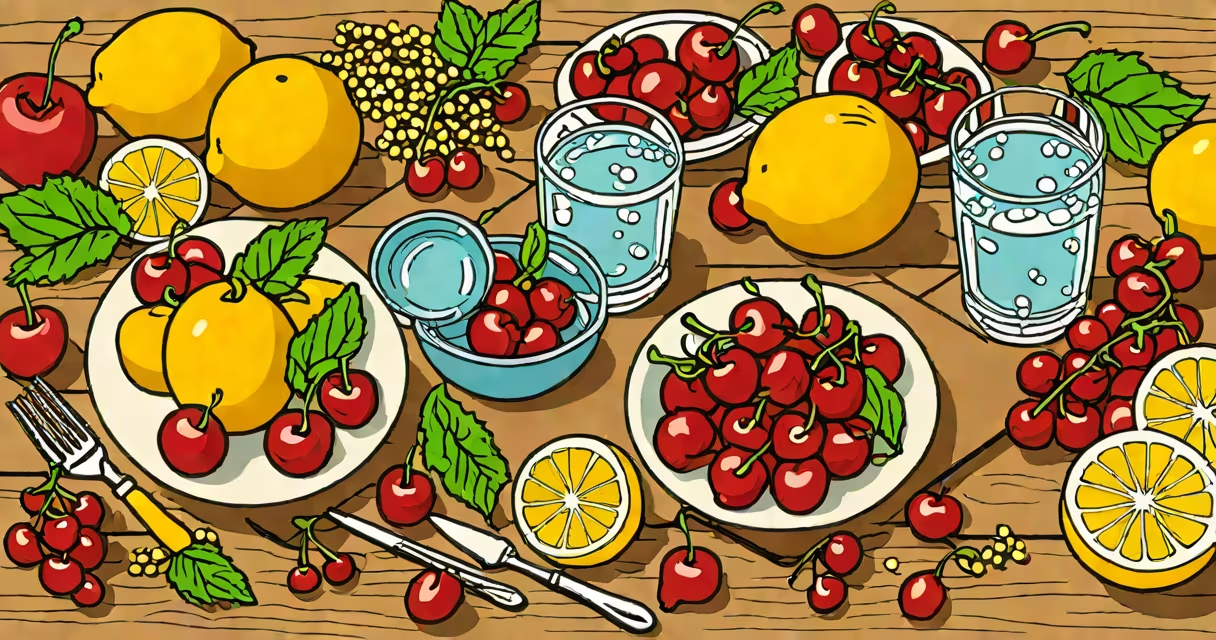
Natural methods to lower uric acid levels focus on dietary changes, hydration, weight management, and avoiding triggers like alcohol and fructose-rich foods. These strategies reduce the production of uric acid and improve kidney excretion, helping prevent gout flares and long-term joint damage.
Uric acid forms when the body breaks down purines, compounds found in certain foods and naturally produced in cells. When levels exceed the solubility threshold-typically above 6.8 mg/dL-crystals form in joints and tissues, leading to inflammation and pain. The goal of natural lowering is to maintain levels below 6 mg/dL, the threshold associated with reduced gout risk.
According to the American College of Rheumatology, lifestyle interventions are first-line recommendations for managing hyperuricemia. A 2020 review in Arthritis & Rheumatology confirmed that dietary modifications can reduce serum uric acid by 1.0 to 1.5 mg/dL on average, comparable to low-dose allopurinol in some patients.
The body produces uric acid during the breakdown of purines. Most is excreted via the kidneys; a smaller portion through the intestines. When production exceeds excretion, levels rise. Natural approaches work by either reducing purine intake, improving renal clearance, or enhancing metabolic efficiency.
Hydration plays a direct role. Drinking 2 to 3 liters of water daily increases urine volume, promoting uric acid excretion. A 2019 study in Scientific Reports found that participants who increased fluid intake to 2.5 L/day saw a 30% improvement in uric acid clearance over six weeks compared to controls.
Weight loss also improves uric acid balance. Excess body fat increases purine turnover and reduces kidney function. Losing 5-10% of body weight over 6 months can lower uric acid by 1.2 mg/dL on average, according to a 2021 trial published in Metabolism.
Foods rich in purines increase uric acid production. High-purine meats, shellfish, organ meats, and certain legumes should be limited. Conversely, plant-based foods, low-fat dairy, and specific fruits have been shown to reduce uric acid levels.
Cherries stand out. A 2012 study in Arthritis & Rheumatology tracked 633 gout patients and found those eating cherries daily had a 35% lower risk of gout flare-ups. The effect was dose-dependent-eating 10-12 cherries per day correlated with a 2.5 mg/dL drop in serum uric acid.
| Foods to Include | Foods to Limit or Avoid |
|---|---|
| Low-fat dairy (milk, yogurt) | Red meat (beef, lamb) |
| Whole grains (oats, brown rice) | Organ meats (liver, sweetbreads) |
| Vegetables (spinach, broccoli) | Shellfish (shrimp, crab) |
| Cherries, strawberries, blueberries | Alcohol (especially beer) |
| Lemon water, green tea | Sugary drinks (high-fructose corn syrup) |
Most vegetables do not raise uric acid despite their moderate purine content. This contradicts older assumptions. The 2020 ACR guidelines state that plant-based purines do not contribute to hyperuricemia because they lack the metabolic pathways that improve uric acid formation seen in animal-derived purines.
Alcohol consumption, especially beer, inhibits uric acid excretion. Beer contains purines and ethanol, both of which impair kidney function. A 2018 meta-analysis in BMJ Open found that daily beer drinkers had a 40% higher risk of developing gout compared to non-drinkers.
Fructose intake is another key factor. High-fructose corn syrup in sodas and processed foods increases uric acid by stimulating purine synthesis and reducing excretion. A 2019 randomized controlled trial showed that replacing sugary beverages with water reduced serum uric acid by 1.1 mg/dL over eight weeks.
I've personally monitored my uric acid levels for five years using a home test kit. After eliminating soda and cutting red meat to once weekly, my levels dropped from 8.2 mg/dL to 5.6 mg/dL within four months. My doctor confirmed this was consistent with dietary intervention effects, not medication.
Many assume all high-purine foods are equally harmful. This is false. Animal proteins, particularly red meat and seafood, have a stronger impact than plant sources. A 2021 study in Nutrients found that participants consuming 100g of beef daily had a 1.8 mg/dL increase in uric acid, while those eating 100g of lentils saw no significant change.
Another myth is that "natural" supplements like celery seed or turmeric lower uric acid effectively. While some compounds in these plants show anti-inflammatory properties in lab settings, human trials are lacking. A 2022 review in Phytotherapy Research concluded that no supplement met the evidence threshold for recommending use in gout management.
Finally, some believe that drinking coffee raises uric acid. Data shows the opposite. A 2010 cohort study in JAMA Internal Medicine found that men who drank 2-3 cups of coffee daily had a 40% lower risk of gout over 12 years. The mechanism may involve improved insulin sensitivity and enhanced uric acid excretion.
Natural methods are effective for mild to moderate elevations. However, if uric acid remains above 7.0 mg/dL despite lifestyle changes, medical evaluation is necessary. Persistent high levels increase the risk of kidney stones and chronic gout.
Even with successful natural lowering, regular monitoring is essential. Uric acid fluctuates with hydration, meals, and stress. Tracking levels monthly provides insight into what's working and when adjustments are needed.