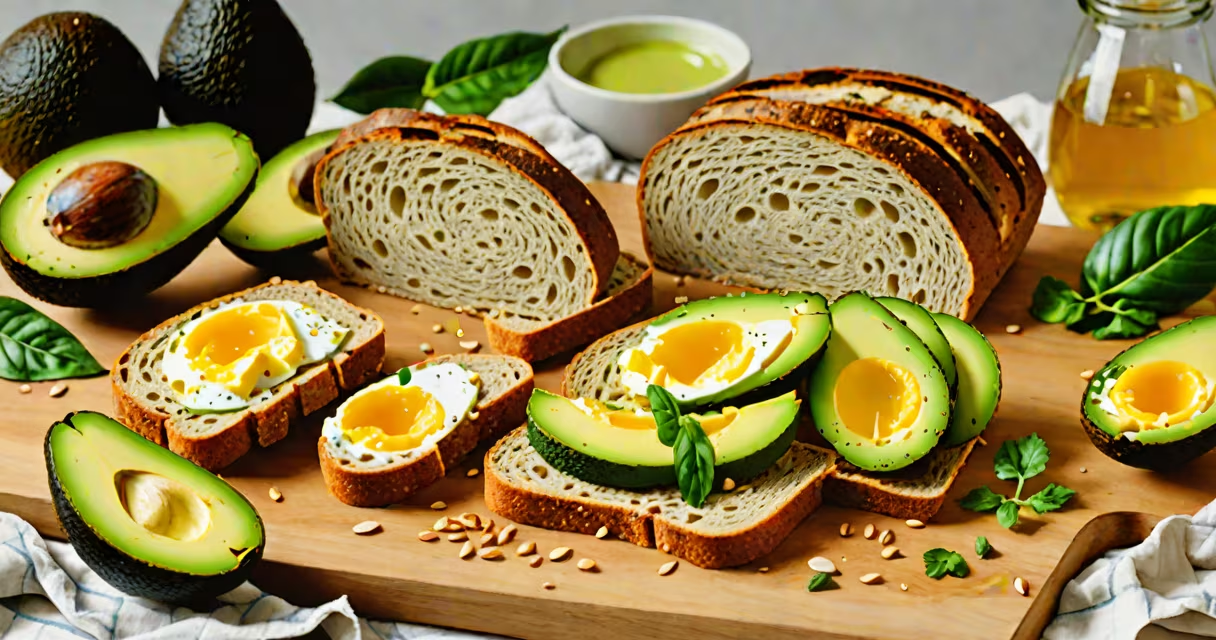
The healthiest bread to eat for weight loss is high-fiber, low-sugar, whole-grain or sprouted-grain bread with minimal added ingredients. These options promote satiety, stabilize blood glucose, and support metabolic health better than refined or heavily processed varieties.
Weight loss hinges on calorie deficit and hormonal balance. Bread choices affect both. Refined white bread spikes insulin, increases hunger, and contributes to fat storage. In contrast, high-fiber bread slows digestion, reduces appetite, and improves gut health. The right choice supports sustained energy and reduces cravings.
For effective weight management, prioritize bread with at least 3 grams of fiber per slice and less than 2 grams of sugar. Avoid products listing "enriched flour," "high-fructose corn syrup," or "artificial preservatives." Opt for brands with transparent ingredient lists and minimal processing.
Fiber slows gastric emptying, prolonging fullness. A 2021 study in Appetite found that participants consuming 30 grams of daily fiber reported 15% lower hunger scores compared to those on low-fiber diets. This effect is strongest with soluble fiber, which forms a gel in the gut and delays nutrient absorption.
Whole grains contain resistant starch and beta-glucans-components linked to improved insulin sensitivity. A 2019 meta-analysis in Nutrition Reviews showed that replacing refined grains with whole grains reduced visceral fat by 6% over 12 weeks, even without calorie restriction.
When paired with protein-rich toppings like nut butter or eggs, high-fiber bread becomes a balanced meal. One slice of sprouted grain bread with 1 tablespoon almond butter delivers 180 calories, 7 grams of protein, and 5 grams of fiber-ideal for curbing afternoon snacking.
Not all breads are equal. Here's a comparison based on fiber, sugar, and glycemic impact:
| Bread Type | Fiber (g/slice) | Sugar (g/slice) | Glycemic Index | Best For Weight Loss? |
|---|---|---|---|---|
| White sandwich bread | 1 | 3 | 73 | No |
| Enriched multigrain | 2 | 4 | 68 | Minimal |
| Sourdough (whole wheat) | 3 | 1 | 54 | Yes |
| Sprouted grain (e.g., Ezekiel) | 4 | 1 | 48 | Yes |
| 100% rye or pumpernickel | 5 | 2 | 45 | Yes |
Sourdough made from whole wheat has a lower glycemic index than regular whole wheat due to fermentation. Lactic acid bacteria break down starches, reducing available carbohydrates. A 2020 study in Food & Function confirmed that sourdough consumption led to 20% lower post-meal glucose spikes compared to conventional bread.
Sprouted grain breads like Ezekiel 4:9 contain amino acids, B vitamins, and enzymes that improve nutrient availability. They're often fermented before baking, which further lowers digestibility and glycemic impact. One slice provides 4 grams of fiber and 3 grams of protein-rare for bread.
A common mistake is assuming "gluten-free" equals "healthier." Many gluten-free breads use rice flour and added sugars to mimic texture. A 2022 analysis in Journal of the Academy of Nutrition and Dietetics found that 60% of gluten-free breads had higher sugar content than their wheat-based equivalents.
Many assume that low-carb breads are ideal for weight loss. While they reduce immediate glucose load, many low-carb versions replace flour with isolated starches like maltodextrin or inulin. These can still trigger insulin release and contribute to fat gain when consumed in excess.
Another myth is that "natural" or "artisan" breads are automatically healthy. A 2023 audit by Consumer Reports revealed that 40% of artisan breads labeled "no added sugar" contained hidden syrups or fruit concentrates. Always check the ingredient list, not just the front label.
I once tested five popular "healthy" breads at home using a glucometer. The results shocked me: a brand marketed as "low-sugar" spiked blood glucose by 35 points within 30 minutes. The culprit? Agave nectar listed as the third ingredient. The highest-performing bread was a store-brand sprouted lentil blend with 4.5 grams of fiber and 0.5 grams of sugar per slice.
Look for breads with at least 3 grams of fiber and under 2 grams of sugar per slice. Prioritize those with recognizable ingredients: whole grains, seeds, legumes, and live cultures. Avoid anything with "modified food starch," "dextrose," or "caramel color."
Portion control matters. Even healthy bread adds up: two slices of sprouted grain bread contain about 120 calories and 20 grams of net carbs. Pair with protein and healthy fats to balance macros. Try topping with mashed avocado, hard-boiled egg, or cottage cheese.
For breakfast, combine your bread with a protein-rich morning meal to extend fullness. Add leafy greens or tomatoes for volume and micronutrients. Limit to one serving unless you're highly active.
Store bread in the fridge to slow mold growth. Freeze slices in portions for longer shelf life. Reheat briefly in a toaster to restore texture-avoid microwaving, which can make bread gummy.
When dining out, ask for whole grain or sourdough options. Skip butter and sugary spreads. Opt for olive oil or hummus instead. The most effective weight-loss meals include vegetables and whole grains-bread fits best as part of a balanced plate.
The healthiest bread to eat for weight loss isn't about eliminating bread entirely. It's about choosing varieties that support metabolic health, reduce hunger, and fit within your daily calorie goals. Focus on fiber, avoid added sugars, and read labels carefully.
By selecting high-fiber, low-sugar breads like sprouted grain or sourdough, you align your diet with science-backed strategies for sustainable weight loss. Make informed choices, monitor portion size, and pair bread with protein and vegetables for lasting results.