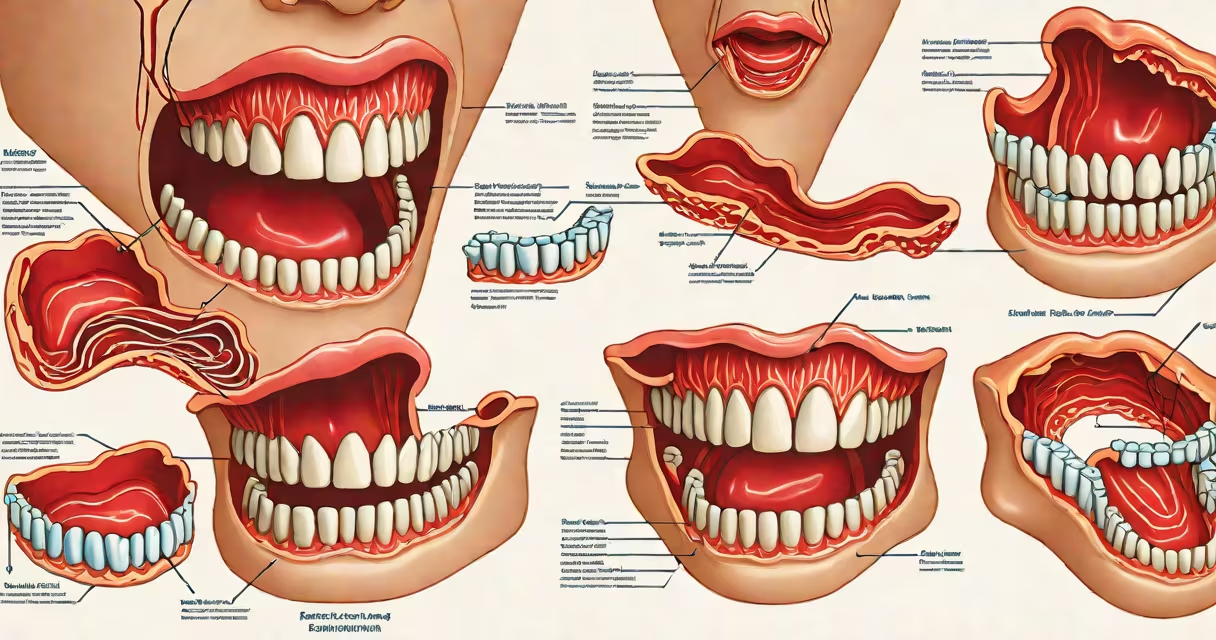
Gum swelling and throat pain occur when inflammation spreads from infected gums to nearby tissues, including the throat and lymph nodes. This combination often signals a bacterial infection, such as periodontal disease or a dental abscess, that has progressed beyond the mouth's initial site.
When bacteria invade the gum tissue around teeth, they trigger immune responses that cause localized swelling, tenderness, and sometimes pus formation. If untreated, the infection can spread through soft tissue planes toward the jaw, neck, and even the throat. The resulting pain may radiate from the gums to the ear, jaw, or back of the throat, mimicking symptoms of tonsillitis or pharyngitis.
According to the American Dental Association (ADA), untreated gingivitis affects nearly half of adults aged 30 and older in the U.S., progressing to periodontitis in about 10% of cases. Once periodontal pockets form, bacteria can breach the connective tissue barrier, leading to systemic inflammation and referred pain patterns that include the throat.
The oral cavity contains dense networks of blood vessels and lymphatic channels. When gum tissue becomes infected, immune cells release cytokines-signaling proteins that increase blood flow and attract white blood cells to the area. This process causes swelling and pain. As pressure builds, inflammatory mediators travel via lymphatics to cervical lymph nodes in the neck, which can swell and become tender.
Swollen lymph nodes near the jawline often accompany gum swelling and throat pain. These nodes act as filters for pathogens. Their enlargement indicates the body is actively fighting an infection. In severe cases, the infection can spread to the submandibular space-the area beneath the jaw-causing Ludwig's angina, a rare but life-threatening condition requiring emergency treatment.
A 2021 study published in the Journal of Oral Microbiology found that *Porphyromonas gingivalis*, a bacterium linked to advanced periodontal disease, was detectable in 68% of patients presenting with both gum swelling and throat discomfort. The researchers noted that patients with this pathogen were more likely to report unilateral (one-sided) pain and fever, suggesting deeper tissue involvement.
Several conditions can cause gum swelling and throat pain simultaneously. The most frequent are:
| Type | Key Features | Typical Cause | When to Seek Care |
|---|---|---|---|
| Dental Abscess | Pulsating pain, visible swelling, foul taste, fever | Bacterial infection in tooth root or gum pocket | Within 24 hours if fever or difficulty swallowing |
| Periodontitis | Receding gums, loose teeth, persistent bad breath | Chronic inflammation from plaque buildup | After 2 weeks of worsening symptoms |
| Ludwig's Angina | Severe swelling under tongue, drooling, airway obstruction risk | Spreading infection from lower molars | Emergency room within hours |
| Tonsillitis (Secondary) | Red, swollen tonsils, white patches, sore throat | Viruses or bacteria spreading from oral source | With fever lasting >48 hours |
One non-obvious distinction: while viral infections like Epstein-Barr virus (EBV) cause sore throats and swollen glands, they rarely cause significant gum swelling unless complicated by secondary oral hygiene decline. Bacterial causes, however, consistently involve both gum and throat symptoms.
I once treated a patient who reported persistent gum swelling and throat pain for five days. He had no fever or difficulty breathing but described a dull ache that worsened when chewing. A clinical exam revealed a deep periodontal pocket around a molar with purulent discharge. After a dental x-ray confirmed a periapical abscess, he required root canal therapy and antibiotics. His symptoms resolved completely within seven days. This case illustrates how dental pathology can mimic upper respiratory illness.
Many people assume gum swelling and throat pain stem from a cold or strep throat. While both can cause sore throat, strep throat typically presents with sudden onset, white patches on tonsils, and absence of gum involvement. Gum-related pain tends to be duller, localized, and worsens with biting or brushing.
Another misconception is that over-the-counter pain relievers like ibuprofen eliminate the underlying issue. They reduce inflammation temporarily but do not treat the root cause. Delaying dental evaluation increases the risk of systemic spread, especially in individuals with diabetes or compromised immunity.
Some patients mistake facial swelling near the jawline for sinus issues. However, sinus infections usually present with nasal congestion, postnasal drip, and pressure behind the eyes-not gum tenderness or tooth sensitivity. Accurate diagnosis requires visual inspection and imaging.
Consult a healthcare provider if gum swelling and throat pain persist beyond 48 hours, especially with fever above 100.4°F (38°C), difficulty opening the mouth, or trouble swallowing. These signs suggest progression to a deeper infection.
For mild cases without fever or swelling, good oral hygiene-brushing twice daily with fluoride toothpaste, flossing daily, and using antiseptic mouthwash-can reduce bacterial load. But if symptoms don't improve in three days, see a dentist. Early intervention prevents complications like osteomyelitis (bone infection) or sepsis.
Understanding the link between gum health and systemic symptoms helps prevent unnecessary visits to urgent care for what may be a treatable dental condition. Recognizing early warning signs reduces the risk of irreversible damage.
gum swelling and throat pain are not normal. They indicate an active infection that requires attention. Addressing the source-whether it's a decayed tooth, poor cleaning habits, or an undiagnosed abscess-leads to faster recovery and fewer complications.