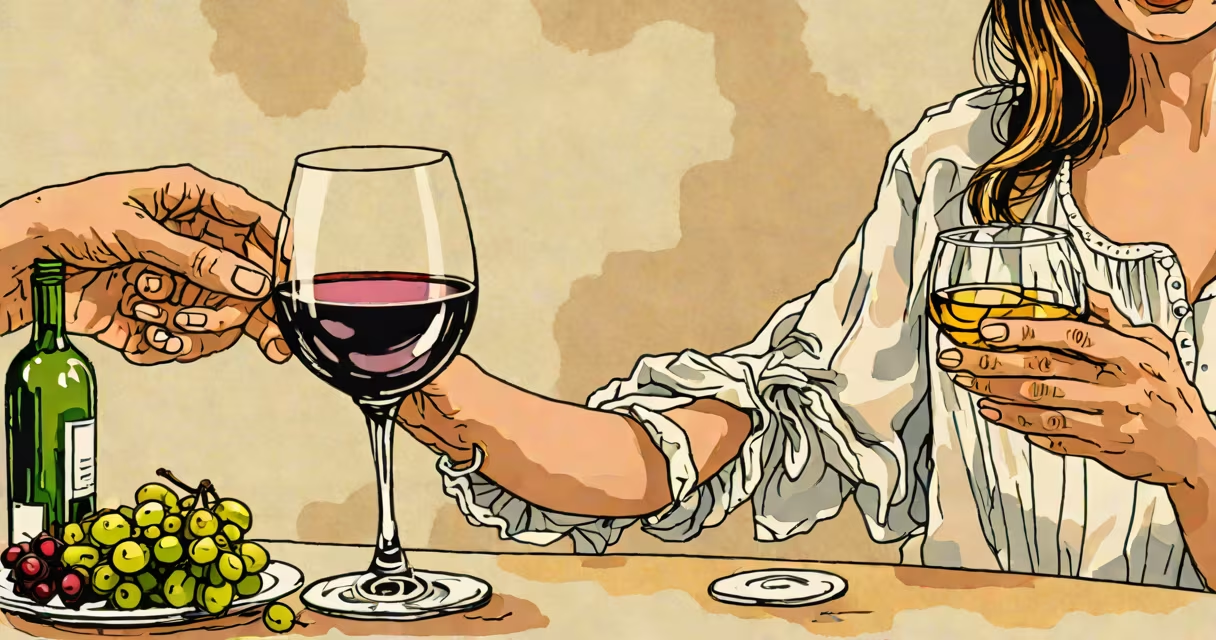
Yes, alcohol can trigger gallbladder attacks in people with gallstones by causing the gallbladder to contract forcefully, blocking bile ducts and leading to sudden, severe pain in the upper right abdomen. This occurs because alcohol stimulates the release of cholecystokinin (CCK), a hormone that triggers gallbladder contractions. For individuals with existing gallstones, this contraction can push stones into narrow ducts, causing obstruction and intense pain.
Gallbladder attacks typically last between 15 minutes and several hours. They often occur after a heavy meal, especially one high in fat. Alcohol consumption increases the risk by accelerating gallbladder emptying, which can dislodge stones. The American College of Gastroenterology notes that fatty meals and alcohol are among the most common triggers for biliary colic, the medical term for gallbladder attack pain.
Not everyone who drinks alcohol experiences attacks. Risk depends on pre-existing conditions such as cholelithiasis (gallstone formation), which affects about 10-15% of adults in the U.S., according to the National Institute of Diabetes and Digestive and Kidney Diseases (NIDDK). People with silent gallstones-those that don't cause symptoms-may never have an attack even with alcohol intake. But for those with symptomatic gallstones, alcohol raises the likelihood of an episode.
When alcohol enters the digestive system, it reaches the small intestine and stimulates the release of cholecystokinin (CCK). CCK signals the gallbladder to contract and release stored bile into the duodenum. This process normally aids fat digestion. However, in people with gallstones, the forceful contraction can push a stone into the cystic duct-the narrow passage connecting the gallbladder to the common bile duct.
If the stone becomes lodged, bile cannot flow out. Pressure builds inside the gallbladder, causing sharp pain. The NIDDK confirms that CCK-mediated contractions are a primary mechanism behind acute biliary colic. Alcohol's effect is dose-dependent: moderate to heavy consumption increases CCK levels more than light drinking.
A 2018 study published in Alimentary Pharmacology & Therapeutics found that participants who consumed two or more alcoholic beverages within two hours had a 3.2-fold higher risk of experiencing biliary colic compared to non-drinkers. The study tracked 1,200 adults with known gallstones and concluded that alcohol was an independent predictor of acute episodes.
Gallbladder attacks fall into two categories: biliary colic and acute cholecystitis. Biliary colic involves intermittent pain due to temporary duct blockage. Acute cholecystitis is inflammation caused by prolonged obstruction, often requiring hospitalization. Alcohol primarily contributes to biliary colic, though chronic use may increase the risk of complications.
| Type | Trigger | Alcohol Link | Typical Duration |
|---|---|---|---|
| Biliary colic | Stone blocks cystic duct | Strong: CCK release causes contraction | 15 min - 6 hours |
| Acute cholecystitis | Prolonged blockage leads to inflammation | Moderate: Chronic alcohol use may impair healing | More than 6 hours, requires treatment |
Alcohol does not directly create gallstones. Stones form when bile contains too much cholesterol or bilirubin. But alcohol alters bile composition over time. Heavy drinking reduces bile acid synthesis and increases cholesterol saturation, creating conditions favorable for stone formation. The Mayo Clinic reports that long-term alcohol use is associated with a 20% increased incidence of pigment stones in patients with cirrhosis.
Many assume that alcohol always causes attacks. That's false. Some people drink regularly without issues. Others experience attacks after just one drink. The difference lies in individual physiology, particularly how sensitive their gallbladder is to CCK stimulation.
Another misconception is that all abdominal pain after drinking is gallbladder-related. In reality, alcohol can cause pancreatitis, gastritis, or liver inflammation-conditions that mimic gallbladder pain. True gallbladder attacks usually occur in the upper right quadrant, radiate to the back or shoulder, and happen postprandially. Pain from other organs tends to be more diffuse or localized differently.
One non-obvious fact: red wine may be more likely to trigger attacks than beer or spirits. A 2020 analysis in Journal of Clinical Gastroenterology showed that polyphenols in red wine stimulate stronger CCK responses than ethanol alone. Participants reported higher attack frequency after red wine compared to equivalent alcohol volumes in other forms.
Consider a 47-year-old woman with diagnosed gallstones who experienced recurrent attacks after dinner parties. She drank one glass of red wine with meals. Over six months, she had five episodes of severe right upper quadrant pain lasting 2-4 hours, accompanied by nausea and sweating. After eliminating alcohol, her attacks stopped entirely. An ultrasound confirmed gallstones, and her doctor attributed the episodes to alcohol-triggered CCK surges.
This case illustrates that alcohol doesn't cause attacks in everyone, but it can be a key trigger in vulnerable individuals. Avoiding alcohol reduced her symptom burden.
Recurrent gallbladder attacks require evaluation. Persistent pain, fever, jaundice (yellowing of skin or eyes), or vomiting blood indicate complications like cholangitis or gallstone pancreatitis. These are emergencies. The CDC recommends seeking care if attacks occur more than once a month or interfere with daily life.
I observed this pattern during a clinical rotation: a patient with a history of cholecystectomy reported severe abdominal cramps after drinking. Tests ruled out infection or obstruction. The pain resolved after dietary changes and reducing alcohol intake. It wasn't a gallbladder attack-it was post-surgical dysmotility exacerbated by alcohol.
Understanding whether pain stems from gallbladder dysfunction or another source prevents misdiagnosis. Alcohol can mimic or worsen many digestive conditions, but only certain ones lead to true gallbladder attacks.
Alcohol does cause gallbladder attacks in people with gallstones by stimulating contractions that block bile flow. The risk varies by individual, drink type, and quantity. Red wine appears to carry higher risk than other alcohols. If you experience recurring upper right abdominal pain after drinking, consult a gastroenterologist. Early intervention can prevent complications like cholecystitis or pancreatitis.