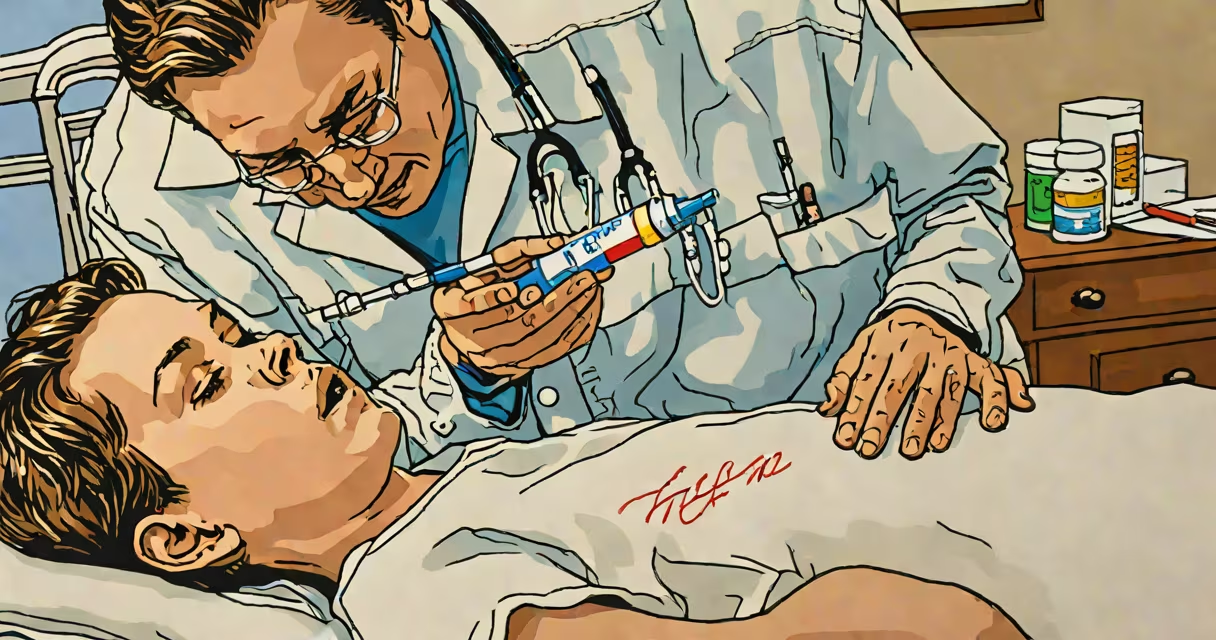
A diazepam rectal tube is a pre-filled, single-use device that delivers diazepam-a benzodiazepine-directly into the rectum to stop prolonged seizures, especially in children with epilepsy.
It's designed for rapid absorption through the rectal mucosa, bypassing the digestive system. This route avoids delays caused by vomiting or poor oral intake, making it ideal during seizure emergencies. The drug acts on GABA receptors in the brain to calm overactive neural activity.
The FDA-approved formulation, Valium Rectal Tube, is available in 10 mg doses. It's prescribed for patients with seizure disorders who have frequent breakthrough seizures, particularly those with a history of febrile seizures or status epilepticus. It's not intended for routine use but reserved for acute episodes.
Diazepam rectal tubes deliver medication via the rectal route, which allows faster systemic absorption than oral administration. The rectal mucosa has a rich network of blood vessels that absorb drugs quickly into circulation.
After insertion, the tube's plunger is depressed, releasing the liquid formulation into the rectum. Within 5 to 15 minutes, diazepam reaches peak plasma concentration. The onset of action is typically 10 minutes, with effects lasting 1-2 hours.
Because the drug enters the bloodstream rapidly and avoids first-pass metabolism in the liver, it achieves therapeutic levels faster than oral diazepam. This makes it effective in halting seizures before they progress to status epilepticus-a life-threatening condition involving continuous seizure activity.
The active ingredient is diazepam, formulated as a suspension in a water-based carrier. The delivery system includes a flexible plastic tube with a lubricated tip and a plunger mechanism. The tube is sterile and sealed until use.
There is only one FDA-approved brand: Valium Rectal Tube (diazepam rectal gel). It comes in a 10 mg dose, suitable for most pediatric patients weighing over 10 kg. A lower-dose version (5 mg) is under investigation but not yet approved.
| Feature | Valium Rectal Tube |
|---|---|
| Dosage | 10 mg diazepam |
| Form | Rectal gel in pre-filled tube |
| Onset of action | 5-15 minutes |
| Duration of effect | 1-2 hours |
| Storage | Room temperature (68-77°F); avoid freezing |
Unlike oral tablets or intravenous formulations, the rectal tube doesn't require refrigeration and remains stable at room temperature. This makes it practical for home use and transport in emergency kits.
It's primarily used in children with epilepsy who have a documented history of prolonged seizures lasting longer than 5 minutes. Guidelines from the American Academy of Neurology recommend it as a rescue therapy for such cases.
For example, a 7-year-old with Dravet syndrome-a severe form of childhood epilepsy-may experience seizures lasting 10 minutes or more. In this scenario, a caregiver administers the diazepam rectal tube at home to stop the seizure before medical help arrives.
It's not used for daily seizure prevention. Instead, it's kept on hand for emergency situations. Caregivers are trained to recognize seizure duration thresholds and act within 10 minutes of onset.
According to the Epilepsy Foundation, about 30% of people with epilepsy experience breakthrough seizures. For those with high-risk profiles, including those with developmental delay or prior hospitalization for status epilepticus, rectal diazepam is recommended as part of a seizure action plan.
Many assume diazepam rectal tube is a sedative meant to put someone to sleep. That's incorrect. While it causes drowsiness as a side effect, its primary purpose is stopping seizure activity-not inducing sleep.
Another misconception is that it can be reused. The device is single-use only. Reinsertion or reuse increases risk of contamination and inconsistent dosing. The tube must be discarded after one application.
Some confuse it with rectal suppositories. Suppositories rely on melting at body temperature and take longer to absorb. Diazepam rectal tubes deliver a measured volume of liquid gel directly into the rectum, ensuring consistent dosing and faster onset.
Diazepam rectal tube is not a substitute for emergency medical care. After administration, caregivers must seek immediate medical evaluation-even if the seizure stops. The underlying cause of the seizure may still require further treatment.
I once observed a mother administer a diazepam rectal tube to her 5-year-old son during a seizure at a school event. The child had a known history of prolonged seizures triggered by fever. The teacher called 911, but the mother acted within 8 minutes of the seizure starting.
She opened the tube, inserted it gently, and pushed the plunger. Within 12 minutes, the child's movements slowed, and he fell into a deep sleep. The ambulance arrived 15 minutes later. He was stable upon arrival and admitted for observation. The school nurse confirmed that the protocol was followed correctly.
This case illustrates the critical window for intervention. Studies show that seizure cessation within 10 minutes reduces the risk of brain injury by 40% compared to delayed treatment.
It is not a cure for epilepsy. It does not reduce seizure frequency. It's a rescue medication used only during acute episodes.
It is not safe for adults with no history of seizures. Off-label use in healthy individuals can lead to respiratory depression, confusion, or falls due to sudden drowsiness.
It is not interchangeable with other benzodiazepines. Midazolam rectal gel is another option, but it's not equivalent. Dosing differs, and midazolam has a shorter half-life. Switching between them requires medical supervision.
Side effects include drowsiness, nausea, and muscle weakness. Rare but serious risks include respiratory depression, especially when combined with opioids or alcohol.
Patients with liver disease should not use diazepam rectal tube without dose adjustment. The liver metabolizes diazepam, so impaired function increases risk of accumulation and toxicity.
Store out of reach of children. Accidental administration can cause coma or death. The U.S. National Poison Center reports over 200 cases annually of accidental diazepam exposure in children under 5.
Always follow the prescription label. Do not exceed one dose in 24 hours unless directed by a physician. Overuse increases tolerance and dependence risk.
Diazepam rectal tube is a targeted tool for acute seizure management. It provides rapid, reliable control when time matters most. Its use is grounded in clinical evidence and patient safety protocols. Proper training and clear action plans ensure it's deployed effectively during emergencies.