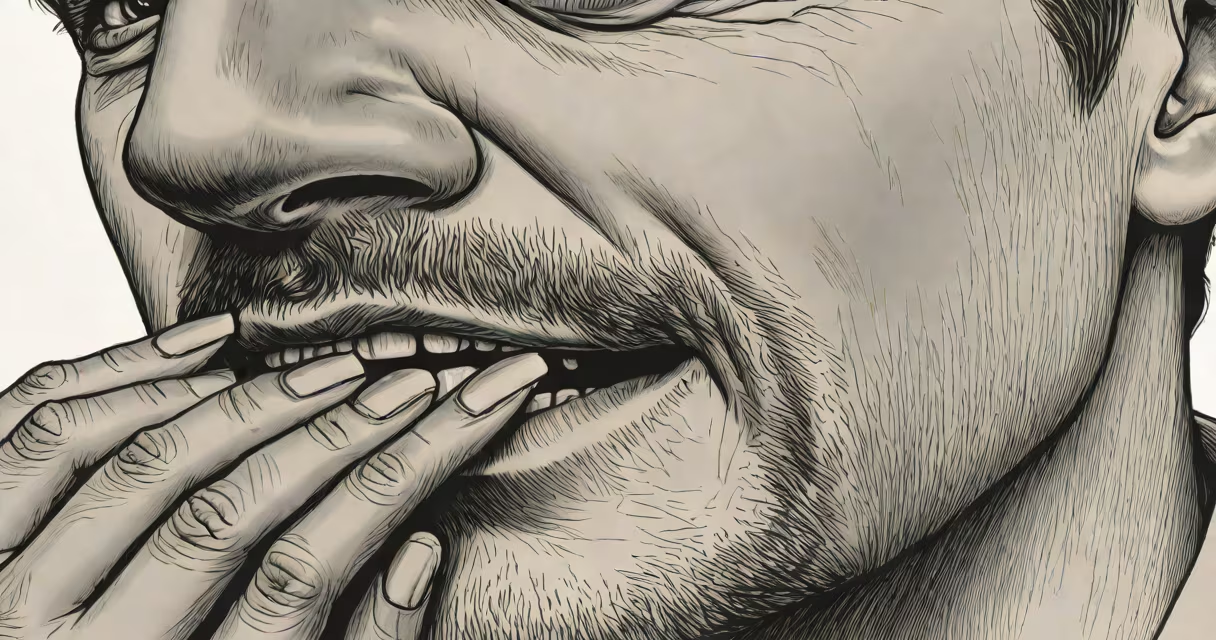
A constant dull toothache is a persistent, low-intensity ache in a tooth that lasts for hours or days without relief. Unlike sharp, sudden pain, it's a steady discomfort often felt in one specific tooth or area of the mouth. This condition typically signals an underlying issue such as decay, gum disease, or tooth grinding.
Unlike acute tooth pain that flares up during eating or cold exposure, a constant dull toothache doesn't always respond to over-the-counter remedies. It may be present throughout the day and worsen at night when lying down, increasing pressure on the tooth's nerve. The sensation is usually described as a throbbing or nagging ache rather than a stabbing pain.
According to the American Dental Association (ADA), persistent tooth pain affects about 1 in 5 adults annually, with decay and periodontal disease being the most common root causes. Ignoring a constant dull toothache risks progression to abscesses or irreversible damage. Early intervention prevents complications and reduces long-term treatment costs.
The pain arises when inflammation or pressure builds inside the tooth's pulp-the innermost layer containing nerves and blood vessels. Common triggers include enamel erosion from acid exposure, bacterial buildup leading to cavities, or gum recession exposing sensitive root surfaces.
When bacteria penetrate the enamel and reach the dentin layer beneath, they trigger a slow inflammatory response. This leads to micro-swelling around the nerve, causing pressure that translates into a dull ache. If left untreated, the process can progress to pulpitis-irreversible inflammation requiring root canal therapy.
A 2021 study published in the Journal of Clinical Dentistry found that 68% of patients reporting constant dull toothache had untreated cavities detected via X-ray. Many delayed care due to underestimating the severity of mild symptoms, allowing minor decay to advance into deeper layers.
Not all constant dull toothaches stem from the same source. Different conditions produce similar sensations but require distinct treatments.
| Source | Typical Sensation | Common Triggers | Treatment Path |
|---|---|---|---|
| Cavity (dental caries) | Dull ache, worsens with sweets or cold | Bacterial plaque, sugary diet, poor brushing | Filling, fluoride treatment |
| Gum recession | Dull sensitivity along gumline | Aggressive brushing, periodontal disease | Desensitizing toothpaste, deep cleaning |
| Tooth grinding (bruxism) | Generalized dull ache, jaw fatigue | Stress, sleep apnea, misaligned bite | Mouthguard, occlusal adjustment |
| Cracked tooth syndrome | Dull ache, intermittent pain when biting | Chewing hard foods, trauma | Root canal, crown, extraction |
One key distinction often missed: a constant dull toothache from bruxism is frequently misdiagnosed as decay. The pain occurs in multiple teeth, especially molars, and correlates with morning jaw stiffness. A dentist can confirm through a clinical exam and imaging.
Constant dull toothache most commonly affects molars and premolars-teeth used in chewing. These areas have thick enamel but complex internal structures, making early decay harder to detect visually. By the time pain emerges, the cavity may have reached the dentin layer.
People aged 30-50 report higher incidence rates, partly due to declining saliva production with age. Saliva neutralizes acids and washes away food particles. Reduced flow increases risk of decay and dry mouth-related discomfort.
For example, a 42-year-old patient reported a dull ache in her lower right molar for six weeks. She assumed it was stress-related until a dental X-ray revealed a 3mm cavity extending into dentin. After a filling, the pain resolved within 48 hours. Her initial delay stemmed from confusing the symptom with general fatigue.
Many mistake a constant dull toothache for sinus pressure or ear pain. The trigeminal nerve supplies both facial teeth and sinuses. Referred pain from sinus infections can mimic toothache, especially in upper molars. However, sinus-related pain tends to fluctuate with head position and improves with decongestants.
Another frequent error: attributing the ache to "just a small cavity" that will go away. But a 2023 review in the British Dental Journal emphasized that even small cavities in deep dentin can lead to irreversible pulpitis. Delaying treatment increases the chance of needing root canal therapy-a procedure 3.4 times more costly than a simple filling.
During a routine checkup, I observed a patient who ignored a mild toothache for four months. The tooth eventually developed a symptomatic abscess. Radiographs showed bone loss around the root. Extraction became necessary. This outcome could have been avoided with earlier evaluation.
Any toothache lasting more than 48 hours warrants a dental visit. The ADA recommends seeing a dentist within a week of noticing persistent discomfort, especially if accompanied by swelling, fever, or difficulty opening the mouth.
Home remedies like saltwater rinses or clove oil may offer temporary relief but do not address the cause. Over-the-counter painkillers reduce symptoms but mask warning signs of infection.
Early diagnosis prevents escalation. A dentist uses X-rays, visual inspection, and cold testing to pinpoint the source. Treatment depends on the root cause-filling, root canal, or gum therapy.
Ignoring a constant dull toothache increases the risk of systemic infection. Bacteria from oral infections can enter the bloodstream, contributing to cardiovascular issues and worsening diabetes control, according to the National Institutes of Health.