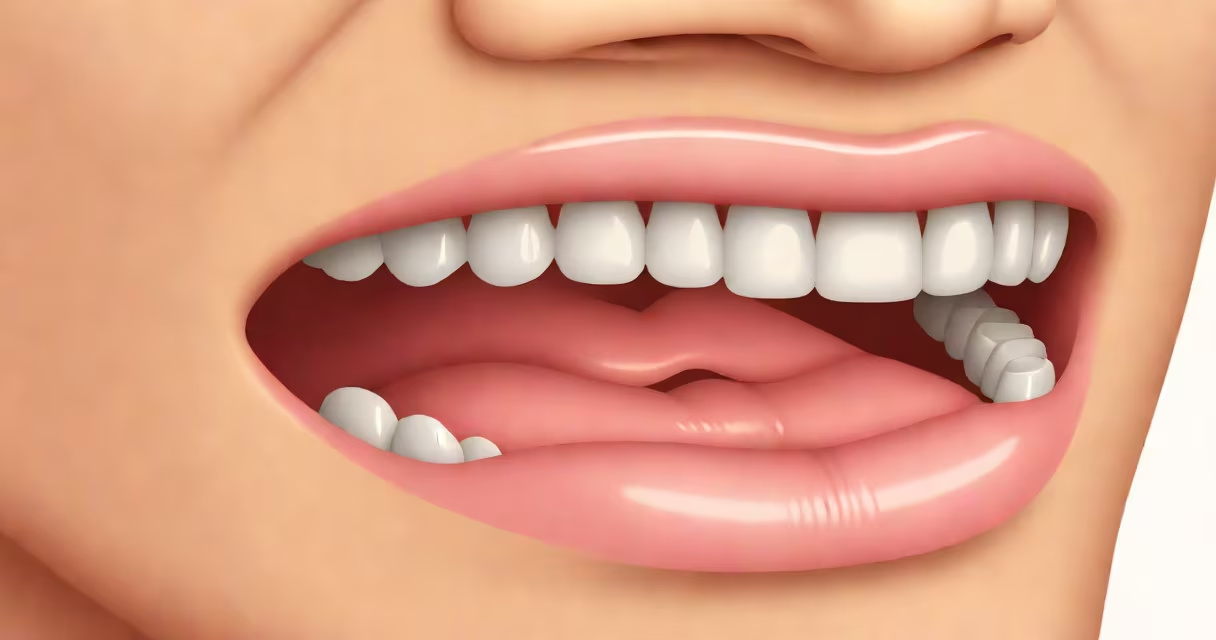
Yes, thrush-a fungal infection caused by an overgrowth of Candida albicans-can cause bad breath. The condition creates white, patchy lesions in the mouth and produces volatile sulfur compounds that result in a foul odor.
Oral thrush develops when the balance of microorganisms in the mouth shifts, allowing Candida to multiply unchecked. This imbalance often occurs in people with weakened immune systems, those using antibiotics or inhaled corticosteroids, or individuals with poorly controlled diabetes. The fungus feeds on sugars and dead cells in the mouth, producing waste products that contribute to halitosis.
A 2021 study published in the Journal of Clinical Medicine found that patients with confirmed oral candidiasis had higher levels of volatile sulfur compounds in their breath compared to healthy controls. These compounds are the primary chemical drivers of bad breath. The presence of visible white plaques on the tongue or inside the cheeks is a key visual sign of thrush linked to persistent halitosis.
Thrush doesn't just sit silently in the mouth-it actively alters the oral environment. Candida albicans forms biofilms on mucosal surfaces, especially on the tongue and inner cheeks. These biofilms trap food particles and bacteria, creating pockets where anaerobic bacteria thrive. As these bacteria break down proteins, they release sulfur-containing gases like hydrogen sulfide and methyl mercaptan-compounds responsible for the rotten egg or sour milk smell associated with bad breath.
The infection also damages the epithelial lining of the mouth. When tissue breaks down, it releases amino acids that serve as fuel for odor-producing microbes. A 2019 review in the journal Microbiology Spectrum noted that Candida species can metabolize arginine and other host-derived substrates into volatile organic compounds, including ammonia and short-chain fatty acids, which further degrade oral air quality.
Bad breath from thrush often persists despite brushing and flossing. Unlike transient halitosis from poor hygiene or food residue, thrush-related odor is chronic and may worsen during dry mouth episodes. Saliva normally helps cleanse the mouth and inhibit microbial growth, but reduced salivary flow-common in older adults or those taking certain medications-exacerbates fungal overgrowth and odor production.
Oral thrush appears in several forms, each with distinct symptoms and risk factors:
| Type | Appearance | Common Triggers | Link to Bad Breath |
|---|---|---|---|
| Acute pseudomembranous | White, curd-like patches easily wiped off, leaving red, raw areas | Antibiotics, steroid inhalers, HIV/AIDS, diabetes | High-patches harbor high bacterial load and produce sulfur compounds |
| Chronic hyperplastic | Thick, white plaques that don't wipe off; may resemble leukoplakia | Long-term smoking, immunosuppression | Moderate-less active microbial activity but still supports odor-producing flora |
| Atrophic (erythematous) | Red, inflamed patches without visible plaques; often affects denture wearers | Dentures, dry mouth, systemic illness | Low to moderate-less visible debris but still allows microbial colonization |
The atrophic form can be misdiagnosed as simple mouth irritation or dryness. Its absence of visible plaques makes it easy to overlook, yet it still contributes to halitosis through altered microbial ecology and reduced saliva clearance.
Many assume bad breath always stems from poor dental hygiene or gum disease. While gingivitis and periodontitis are leading causes of halitosis, they are not the only ones. Thrush is frequently overlooked because it's less common than plaque-based issues and often presents subtly.
Another misconception is that thrush only affects infants or people with severe illness. In reality, adults-especially those with dry mouth, diabetes, or who use inhaled steroids for asthma-are at significant risk. A 2020 report from the American Academy of Oral Medicine noted that nearly 15% of adults aged 60 and above have detectable Candida in their mouths, many without obvious symptoms.
Some patients mistake the white coating on the tongue for normal buildup. But unlike debris, thrush lesions don't come off with brushing. They require antifungal treatment. If left untreated, the infection spreads and increases the risk of secondary bacterial infections that amplify odor.
In 2022, a 68-year-old man with type 2 diabetes reported persistent bad breath despite daily brushing and flossing. He used a steroid inhaler for COPD and had dry mouth due to medication. His dentist noticed white patches on his tongue and palate. A swab test confirmed Candida albicans. After two weeks of nystatin oral suspension and improved hydration, the lesions resolved, and breath odor decreased by 80% according to a standardized breath test.
This case illustrates that bad breath from thrush is treatable-but only when the root cause is identified. Routine dental exams should include visual inspection for oral lesions, especially in high-risk groups.
If you notice white patches in your mouth that don't go away after brushing, or if bad breath persists despite good oral hygiene, consult a healthcare provider. Diagnosis typically involves a physical exam and sometimes a swab test for culture or microscopic examination.
Treatment options include antifungal lozenges (like clotrimazole), oral rinses (nystatin), or prescription tablets (fluconazole) for severe cases. For denture wearers, proper cleaning and removal at night reduce fungal growth. Controlling blood sugar and staying hydrated also lower risk.
I've seen patients improve within days of starting treatment. One woman with recurrent thrush reported her breath returned to normal after switching from a broad-spectrum antibiotic to a targeted one. Her doctor advised rinsing with a baking soda solution twice daily, which helped rebalance oral pH and suppress Candida growth.
Recognizing that thrush can cause bad breath is critical. It's not just a symptom-it's a sign of underlying imbalance. Early detection and treatment prevent progression and restore oral health.