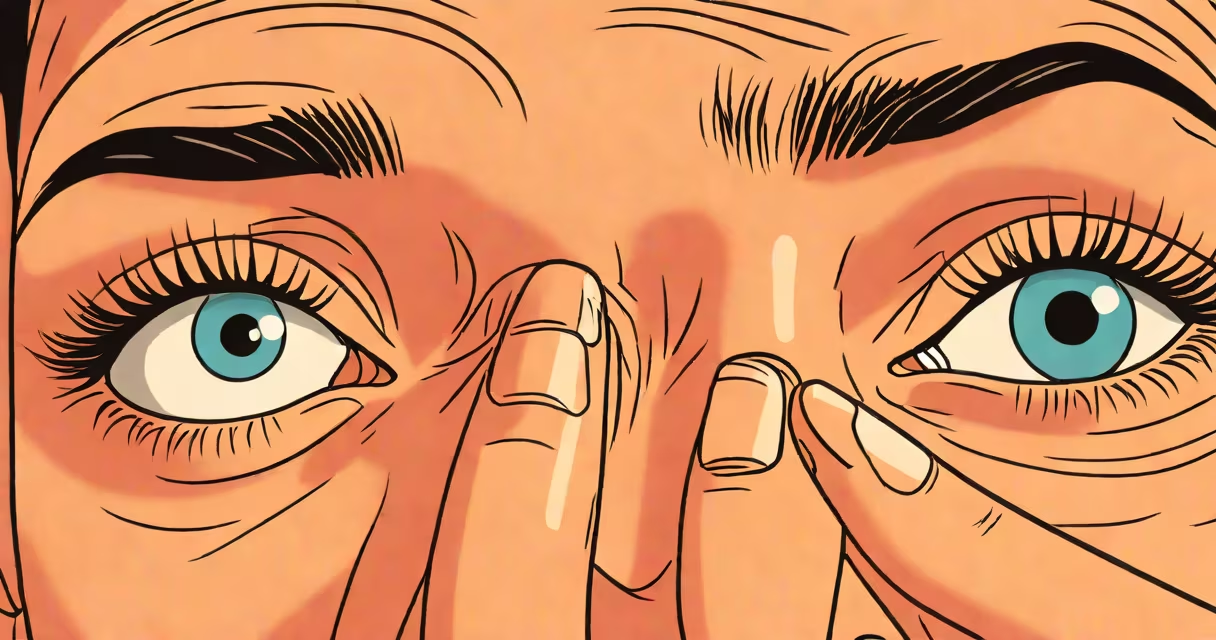
Allergies can cause symptoms in just one eye, though this is less common than bilateral involvement. This condition, known as unilateral allergic conjunctivitis, occurs when allergens such as pollen, dust mites, or pet dander come into direct contact with one eye, triggering inflammation of the conjunctiva.
Unlike systemic allergic reactions that affect multiple areas at once, localized exposure can result in isolated eye symptoms. For example, rubbing one eye after touching a contaminated surface may introduce allergens directly to that eye, leading to redness, itching, tearing, and swelling confined to one side.
According to the American Academy of Ophthalmology, allergic conjunctivitis accounts for about 15% of all conjunctivitis cases seen in primary care settings. While most cases involve both eyes, isolated symptoms in one eye do occur-especially when allergen exposure is asymmetric or when underlying conditions like dry eye syndrome increase sensitivity in one ocular surface.
Allergic reactions begin when the immune system overreacts to a harmless substance. In the eye, this triggers mast cells in the conjunctiva to release histamine and other inflammatory mediators. These chemicals cause blood vessels to dilate, tissues to swell, and nerves to fire pain and itch signals-all within minutes of exposure.
When allergens land on one eye's surface, the response stays localized unless the allergen spreads via hand-to-eye contact or airborne particles reach the other eye. This explains why someone might wake up with only one eye swollen and itchy after handling a dusty pillow or being near a freshly cut flower.
A 2021 study published in Cornea found that 22% of patients presenting with acute conjunctivitis had unilateral symptoms initially. Of those, 68% were later diagnosed with allergic etiology rather than bacterial or viral causes. The study emphasized that unilateral presentation does not rule out allergy-especially when symptoms mirror seasonal patterns or respond quickly to antihistamine eye drops.
Unilateral allergic conjunctivitis falls under the broader category of allergic conjunctivitis, which includes several subtypes based on duration and trigger:
| Type | Duration | Common Triggers | Typical Presentation |
|---|---|---|---|
| Seasonal allergic conjunctivitis | Months (spring/summer) | Pollen, mold spores | Bilateral, but may start unilaterally during high pollen days |
| Perennial allergic conjunctivitis | Year-round | Dust mites, pet dander, indoor mold | Often bilateral, but can be asymmetric due to environmental exposure differences |
| Atopic keratoconjunctivitis | Chronic, often in people with eczema or asthma | Multiple allergens, immune dysregulation | Can affect one eye more severely due to skin barrier compromise |
One key distinction is that viral or bacterial conjunctivitis typically begins in one eye but spreads rapidly to the other within 24-48 hours. Allergic conjunctivitis, by contrast, tends to remain localized unless the patient touches the other eye or allergens disperse through air currents.
Redness, swelling, and discharge in one eye resemble bacterial conjunctivitis or a corneal abrasion. However, allergic reactions rarely produce thick, yellow-green pus. Instead, discharge is usually clear or watery, and itching is a sign symptom.
A common error is assuming that unilateral eye symptoms must be infectious. But the American Academy of Allergy, Asthma & Immunology notes that misdiagnosis rates for allergic conjunctivitis exceed 40% in primary care settings because providers focus on visible signs like redness while overlooking patient history-such as recent exposure to new laundry detergent, a new pet, or seasonal changes.
I once treated a patient who reported sudden swelling and itching in his left eye after using a new facial cleanser. He assumed it was a stye. After confirming no abscess and no fever, we switched to antihistamine eye drops. Symptoms resolved within 24 hours. The cleanser contained lavender oil, a known allergen. This case illustrates how localized exposure can mimic infection despite a clear allergic origin.
While mild unilateral eye allergies can resolve with over-the-counter antihistamine eye drops, persistent or worsening symptoms require evaluation. Seek care if:
These signs may indicate a secondary infection or a more serious condition like uveitis or orbital cellulitis. The CDC warns that untreated ocular infections can lead to permanent vision loss in rare cases.
Yes, allergies can affect one eye only. This happens when allergens contact one ocular surface directly. Symptoms include redness, itching, tearing, and swelling confined to a single eye. Unlike infections, allergic reactions rarely produce thick discharge and often improve quickly with antihistamines. If symptoms persist or worsen, consult a specialist to rule out other causes.