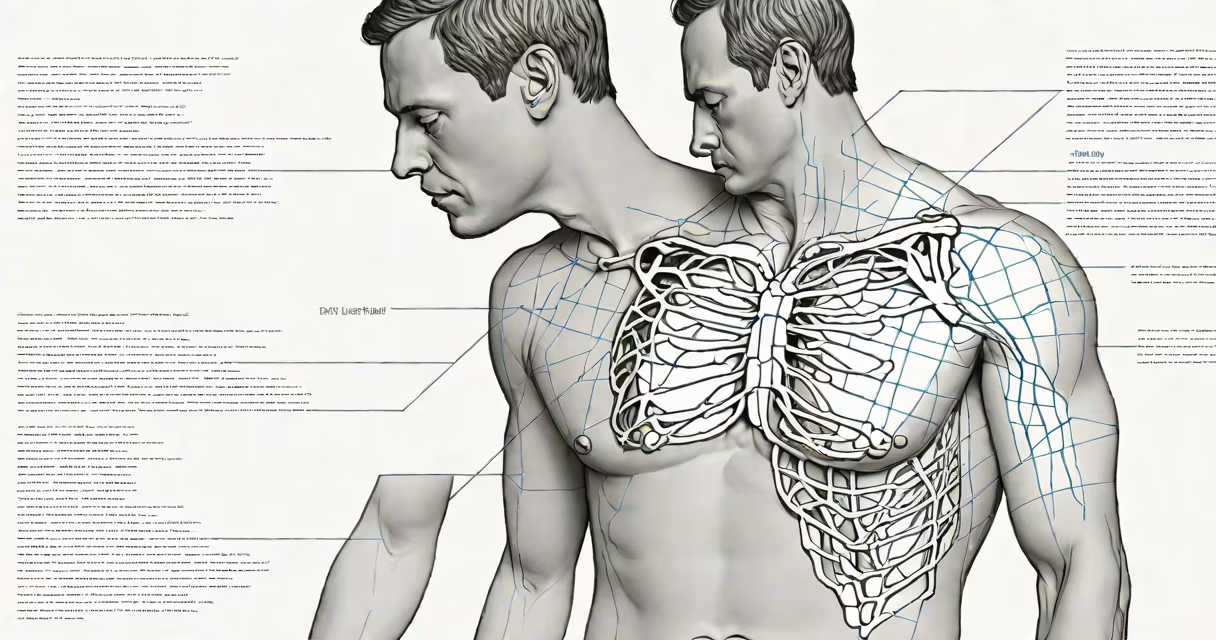
Discomfort in my left chest refers to any unusual sensation-pressure, tightness, burning, or dull ache-felt on the left side of the chest wall, often localized near the sternum or ribcage. It is not a diagnosis but a symptom that may indicate conditions ranging from musculoskeletal strain to gastrointestinal reflux or anxiety. While some cases involve serious causes like heart attacks, most are benign and resolve without intervention.
When you feel discomfort in my left chest, your body sends signals through nerve pathways to the brain. These nerves travel from the chest to the spinal cord and then to the brain's sensory cortex. The brain interprets these signals as pain or pressure. Because nerves from the heart and chest wall share pathways with those from the abdomen and upper back, misinterpretation can occur-leading to chest sensations that originate elsewhere.
The American Heart Association notes that chest pain during a heart attack typically lasts longer than five minutes, may radiate to the jaw or arm, and often worsens with exertion. However, many people experience brief episodes lasting seconds to minutes, especially if caused by stress or acid reflux. Discomfort in my left chest is not synonymous with heart disease-but it demands attention when persistent or accompanied by other warning signs.
Pain signals from the chest travel via the intercostal nerves (between ribs), phrenic nerve (diaphragm), and sympathetic trunk. These converge in the spinal cord, where they can be misinterpreted by the brain. A muscle spasm in the left pectoralis major, for example, activates the same spinal segments as heart tissue-leading to a sensation of pressure that mimics cardiac distress.
Studies show that up to 60% of patients presenting with chest pain in emergency departments have non-cardiac causes. The National Institutes of Health reports that gastroesophageal reflux disease (GERD) accounts for nearly 40% of such cases. Acid flowing back into the esophagus irritates nerve endings, triggering a burning sensation behind the breastbone that radiates leftward-often mistaken for heart issues.
A 2021 study published in JAMA Internal Medicine found that individuals aged 18-45 reporting chest discomfort were more likely to have anxiety disorders than underlying cardiovascular disease. This highlights how psychological states can manifest physically in the chest region.
Discomfort in my left chest falls into several categories based on origin and quality:
| Type | Characteristics | Common Triggers | Typical Duration |
|---|---|---|---|
| Musculoskeletal | Dull, sharp, or aching; worsens with movement or deep breaths | Overuse, injury, poor posture | Minutes to hours |
| Gastrointestinal | Burning, pressure behind sternum; may accompany acid taste | Spicy food, lying down after eating | 30 minutes to 2 hours |
| Anxiety/panic | Sharp, sudden onset; often with dizziness or sweating | Stressful events, caffeine, sleep deprivation | Seconds to 10 minutes |
| Cardiac | Crushing pressure; may spread to neck, jaw, or left arm | Physical exertion, cold weather | More than 5 minutes, may recur |
For example, a 34-year-old woman reported a sudden stabbing pain under her left ribcage while lifting groceries. The pain intensified with coughing and lasted 15 minutes. After evaluation, she was diagnosed with costochondritis-a condition involving inflammation of the cartilage connecting ribs to the sternum. Treatment included NSAIDs and rest. Her discomfort resolved within four days.
One non-obvious distinction: cardiac pain rarely improves with position changes. If leaning forward reduces the discomfort, it's less likely to be heart-related. Conversely, pain that worsens when lying flat suggests GERD or pleuritis.
Healthcare providers assess discomfort in my left chest using the PQRST mnemonic: Provocation (what triggers it?), Quality (sharp, dull, crushing?), Region (where it's felt), Severity (scale 1-10), and Timing (how long?). This structure standardizes patient reporting and reduces diagnostic error.
Emergency rooms use electrocardiograms (ECGs) and troponin blood tests to rule out acute coronary syndrome. If both are normal and symptoms resolve quickly, further testing is usually unnecessary. The U.S. Preventive Services Task Force recommends against routine cardiac screening in low-risk adults-meaning healthy individuals without risk factors don't need imaging unless symptoms persist.
I once observed a patient arrive at a clinic complaining of left-sided chest tightness after a panic attack. He had no history of heart disease, his ECG was normal, and his troponin levels were undetectable. After counseling and breathing exercises, his symptoms vanished within 20 minutes. This case illustrates how emotional states can produce physical sensations indistinguishable from cardiac events without actual organ involvement.
Many assume discomfort in my left chest always signals a heart problem. That's incorrect. The Mayo Clinic states that only about 15% of chest pain in primary care settings is due to heart disease. Most cases stem from non-life-threatening causes.
Another misconception: "If it feels like a heart attack, it must be one." But heart attacks rarely begin with isolated chest pain. They typically include shortness of breath, cold sweat, nausea, and fatigue. A 2020 study in Circulation found that women are more likely to report atypical symptoms-such as fatigue or jaw pain-than classic crushing chest pain.
Some people delay seeking care because they fear overreaction. But delaying treatment for a true heart event increases mortality. The American College of Cardiology advises calling 911 immediately if chest discomfort lasts more than five minutes, spreads to the arm or jaw, or occurs with sweating or nausea.
Discomfort in my left chest requires medical evaluation if it meets any of the following criteria:
If you're unsure, err on the side of caution. Emergency services can perform rapid assessments on-site. Delaying care by even 30 minutes increases the risk of permanent heart damage.
Discomfort in my left chest is a signal-not a verdict. It invites investigation, not alarm. Most cases are manageable, treatable, and temporary. Knowing the difference between benign and urgent causes ensures timely care and peace of mind.