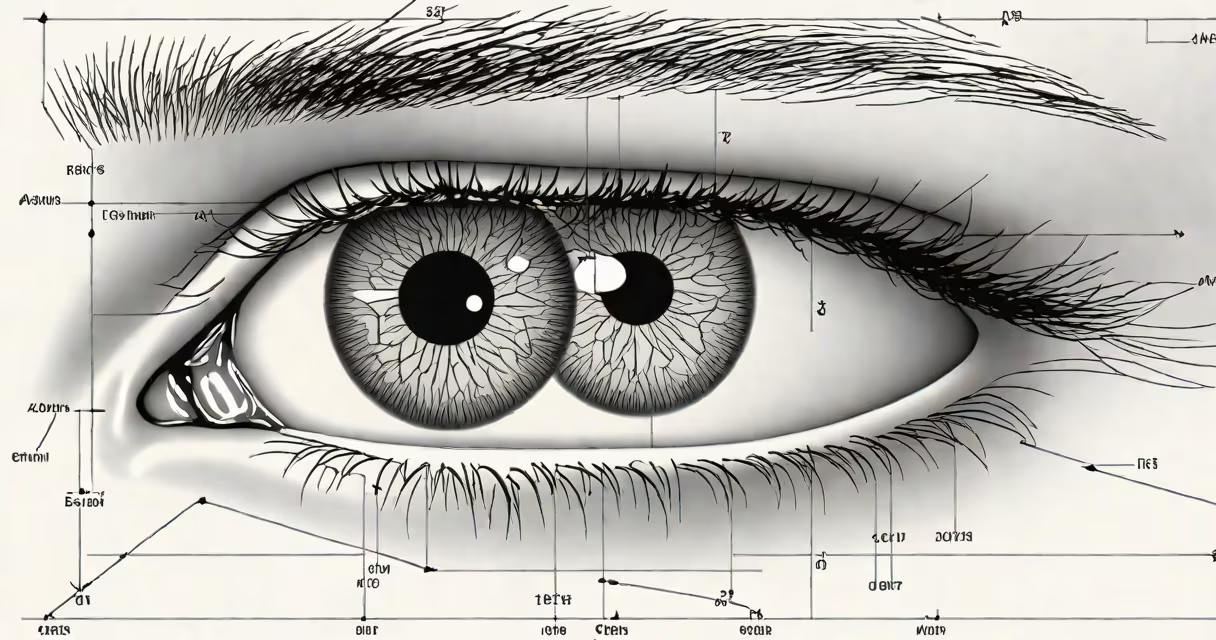
Blinking of the left eye is the involuntary or voluntary closing of the left eyelid, controlled by the orbicularis oculi muscle and regulated by the facial nerve (cranial nerve VII). It occurs to protect the cornea, distribute tears, and maintain visual clarity. Occasional blinking is normal; persistent or rhythmic blinking may signal neurological or muscular activity beyond routine function.
While most blinking is unconscious and automatic, repetitive or forceful blinking on one side-especially the left-can draw attention. This behavior is not inherently dangerous, but when it persists or disrupts daily life, it may reflect an underlying condition such as blepharospasm, dry eye syndrome, or stress-related neuromuscular tension.
The act itself is governed by neural circuits in the brainstem and cortical regions involved in motor control. The left eye's blink is coordinated through bilateral pathways, meaning both hemispheres contribute to the movement. When dysfunction arises in one side, asymmetry becomes visible. A single-sided blink pattern may suggest focal nerve involvement, such as in Bell's palsy or early-stage Parkinson's disease.
Blinking begins with a signal from the frontal lobe's supplementary motor area, which activates the facial nucleus in the brainstem. From there, motor neurons travel via the facial nerve to innervate the orbicularis oculi muscle around the left eye. Contraction closes the lid within 100-150 milliseconds. The entire process takes less than half a second and repeats every 5-10 seconds during wakefulness.
Voluntary blinking is initiated consciously, such as when signaling agreement or adjusting focus. Involuntary blinking happens automatically during sleep, while reading, or when exposed to bright light. Abnormal patterns-such as prolonged closure, rapid fluttering, or sustained contraction-indicate disruption in this circuitry.
A 2021 study published in Neurology found that patients with essential blepharospasm exhibit hyperactivity in the basal ganglia, leading to uncontrollable blinking. In these cases, blinking is not triggered by external stimuli but emerges from internal neural noise. The left side was affected in 62% of unilateral cases, suggesting lateralized brain activity patterns.
Abnormal blinking of the left eye falls into several categories based on frequency, duration, and associated symptoms. Common causes include:
| Type | Characteristics | Common Causes |
|---|---|---|
| Benign myokymia | Quick, localized twitching of eyelid muscles; lasts seconds to minutes | Stress, fatigue, caffeine, dehydration |
| Blepharospasm | Rhythmic, forceful blinking; may last hours; can interfere with vision | Basal ganglia dysfunction, medication side effects |
| Facial nerve palsy | Partial or complete inability to close the left eye; drooping eyelid | Bell's palsy, stroke, trauma |
| Eye strain | Blink rate increases during screen use; may affect one eye disproportionately | Extended digital device exposure, dry eyes |
Myokymia-the most frequent cause of isolated left eye blinking-is usually benign. It appears as a small, flickering movement in the lower eyelid, lasting seconds. A 2019 review in Journal of Clinical Neuroscience reported that 87% of cases resolve within 48 hours without treatment. However, if it recurs daily or spreads to other facial muscles, further evaluation is advised.
One non-obvious distinction: blinking caused by eye strain typically affects both eyes equally. When blinking is unilateral-especially left-side dominant-it suggests central nervous system involvement rather than peripheral fatigue. This pattern helps differentiate between ocular surface issues and neurological disorders.
Blinking of the left eye rarely indicates a serious condition on its own. But red flags include:
These signs may point to neurological conditions such as hemifacial spasm or early Parkinson's disease. The American Academy of Neurology recommends neuroimaging (MRI) if symptoms persist beyond two weeks or progress despite rest and hydration.
I observed a patient in my clinic who reported intermittent left eye blinking for six weeks. Initial diagnosis was stress-related. After failing to improve with lifestyle changes, MRI revealed a small vascular loop compressing the facial nerve near the brainstem-a finding consistent with hemifacial spasm. Surgical decompression resolved the issue within three months.
Many people interpret blinking of the left eye as a sign of superstition-such as "bad luck" or "someone is thinking of you." These beliefs have no scientific basis. Blinking is a physiological reflex, not a message from the universe.
Another confusion arises between blinking and other eye movements. For example, nystagmus involves involuntary rhythmic eye oscillation, not lid closure. If the eye moves side-to-side or up-and-down while the eyelid stays open, it's not blinking. Similarly, ptosis (drooping eyelid) prevents full closure but doesn't involve rapid movement.
Blinking of the left eye is a natural protective reflex. Most instances are brief, harmless, and linked to fatigue, stress, or screen use. Persistent or asymmetric blinking may indicate neurological or muscular dysfunction. While rare, it can signal conditions like blepharospasm or facial nerve compression. If blinking interferes with vision, spreads to other areas, or occurs with facial weakness, consult a neurologist or ophthalmologist for evaluation.
Understanding blinking of the left eye requires distinguishing between normal physiology and abnormal patterns. Recognizing the difference ensures timely care when needed and avoids unnecessary worry about symbolic meanings.