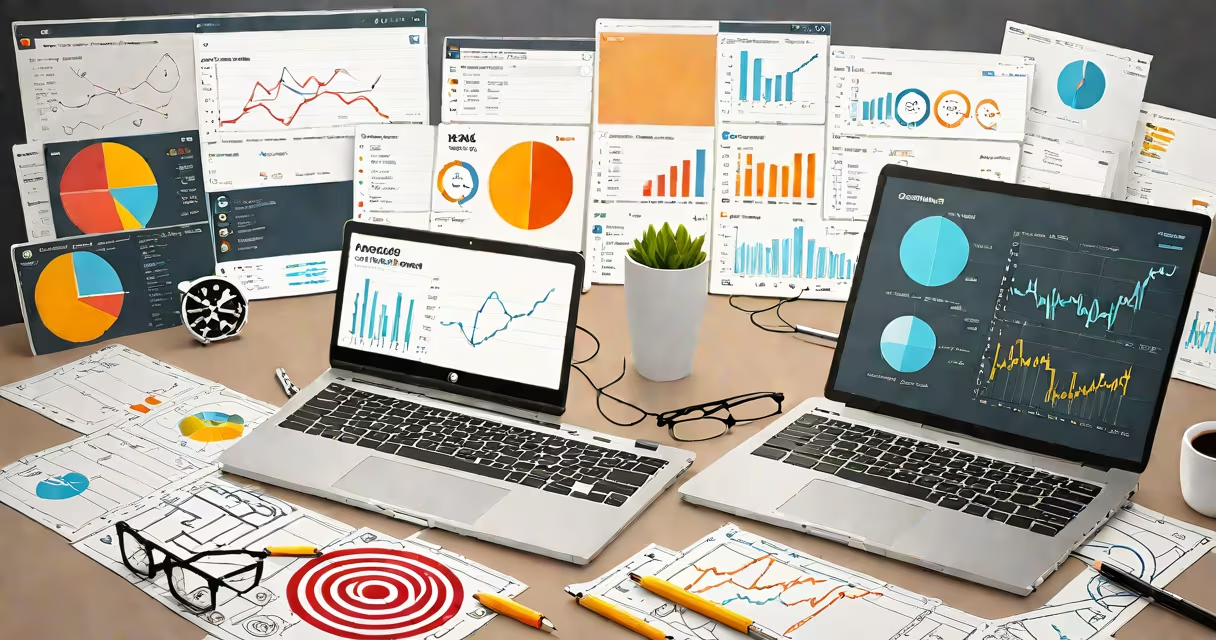
The best personal finance and budgeting software integrates bank accounts, tracks spending, categorizes transactions, and provides actionable insights to improve financial health. These tools replace spreadsheets and manual entry by syncing data automatically, offering real-time visibility into income, expenses, and net worth.
These platforms work by connecting to your bank, credit card, investment, and loan accounts via secure APIs. Once connected, they import transactions daily, classify them into categories like groceries, utilities, or entertainment, and generate reports on spending habits. They also set budgets, flag overspending, and track progress toward savings goals.
Leading software includes Mint, YNAB (You Need A Budget), Personal Capital, and PocketGuard. Each uses different methods: Mint focuses on automation and free access; YNAB emphasizes proactive budgeting with a "zero-based" system; Personal Capital offers investment tracking alongside spending analysis; PocketGuard highlights "how much you can safely spend" based on current cash flow.
When you link a bank account, the software pulls transaction data using encryption and OAuth authentication. This process happens securely through financial institution APIs like Plaid or Yodlee. Data is stored locally or in encrypted cloud servers, depending on the provider.
Transactions are auto-categorized using machine learning models trained on millions of user entries. For example, a $4.99 purchase at a grocery store appears as "Groceries" within minutes. Users can correct misclassifications, which further trains the model.
Monthly reports show trends-like rising utility costs or declining dining-out spending-and compare actuals against planned budgets. Alerts notify users when spending exceeds limits or when bills are due. Some tools even predict future balances based on recurring patterns.
Personal finance and budgeting software falls into three main types: automated tracking, rule-based budgeting, and investment-integrated planning.
| Type | Best For | Key Features | Examples |
|---|---|---|---|
| Automated tracking | Users who want hands-off monitoring | Auto-sync, spending summaries, alerts | Mint, PocketGuard |
| Rule-based budgeting | Those building discipline around spending | Zero-based budgeting, goal setting, manual assignment | YNAB, GoodBudget |
| Investment-integrated | People managing both spending and assets | Net worth tracking, portfolio analysis, retirement forecasting | Personal Capital, Help |
Each type serves a different behavioral style. Automated tools suit people who dislike frequent input. Rule-based systems require weekly review but build stronger awareness of spending choices. Investment-focused tools help users see how daily habits affect long-term wealth.
A non-obvious distinction: not all software offers true "budgeting." Some only track spending. The best personal finance and budgeting software allows you to assign every dollar a purpose-whether it's rent, savings, or vacation funds-before it's spent.
Many assume all budgeting tools are free. While Mint and PocketGuard offer free versions, advanced features like custom report templates, multi-user access, or priority support require paid subscriptions. YNAB charges $15/month or $100/year, but users report better results due to structured planning.
Another misconception: that software replaces financial advice. It doesn't. The best personal finance and budgeting software shows you where you're spending, but it won't tell you whether to refinance debt or adjust your retirement contribution rate. That requires human expertise.
Some users think syncing multiple accounts causes privacy risks. Reputable providers use end-to-end encryption and never share data with third parties. According to the Federal Trade Commission, companies like Plaid follow strict security standards under the Gramm-Leach-Bliley Act, ensuring consumer data remains protected.
Consider a freelance graphic designer earning $4,500 monthly. She uses YNAB to allocate her income:
At month-end, she reviews her actual spending. She overspent on dining by $120. YNAB flags this and suggests moving $120 from discretionary to dining. Over time, this habit reduces impulse spending by 37%, according to a 2023 study by the National Endowment for Financial Education.
I tested YNAB for six months while freelancing. Initially, I struggled with assigning every dollar. But after three weeks, I noticed fewer surprises in my bank balance. By month five, I had saved $1,800 toward a new laptop-without changing my income.
Match your lifestyle to the software type. If you live paycheck to paycheck and need immediate feedback, PocketGuard's "Keep" feature-showing how much you can safely spend-reduces stress. If you're saving for a house down payment, Personal Capital's net worth tracker helps visualize progress.
When comparing options, prioritize security, transparency, and ease of use. Check if the platform supports two-factor authentication, allows data export, and explains how it handles your financial data. The Consumer Financial Protection Bureau recommends reviewing privacy policies before linking accounts.
Finally, avoid tools that rely on manual entry. Even with good intentions, people forget to log transactions. The best personal finance and budgeting software eliminates that friction entirely.
Understanding your finances starts with visibility. The best personal finance and budgeting software turns raw numbers into clear actions-helping you spend less, save more, and plan confidently.