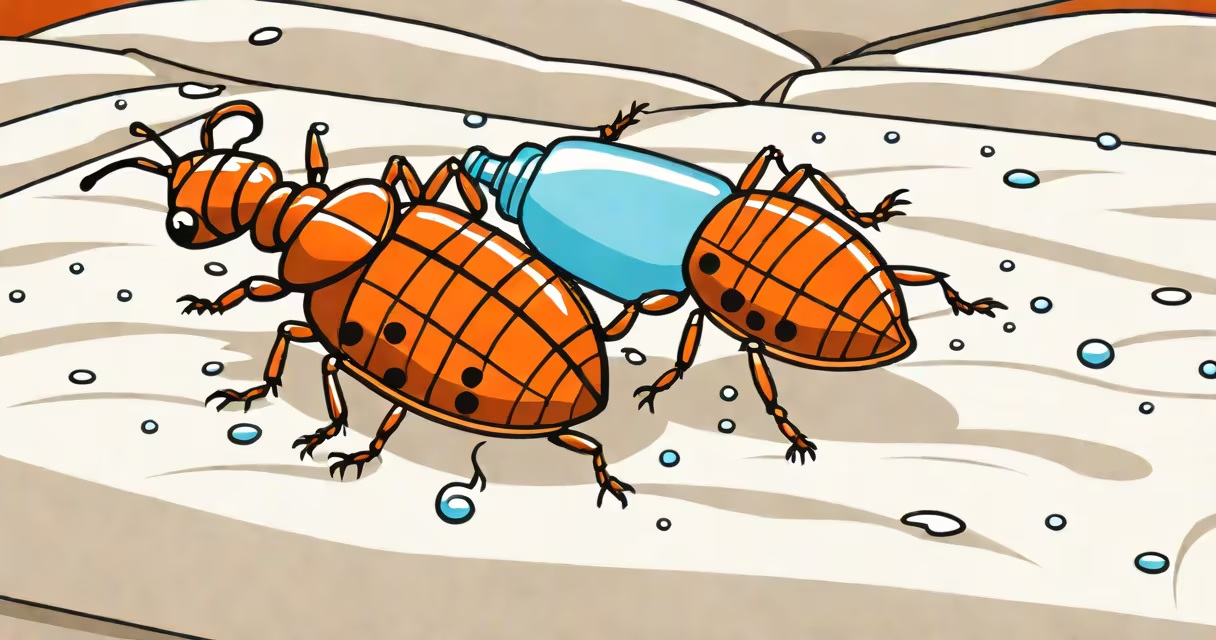
Bed bugs spray is a liquid pesticide applied directly to infested areas to kill bed bugs on contact or disrupt their life cycle. It typically contains synthetic pyrethroids or natural oils like neem or tea tree oil. The product targets hiding spots such as mattress seams, baseboards, and furniture crevices.
These sprays work by penetrating the exoskeleton of adult bed bugs, nymphs, and eggs. They interrupt nerve function, leading to paralysis and death within minutes. Most formulations require direct application-spraying doesn't create a residual barrier unless labeled for long-term effect. A single application rarely eliminates a full infestation.
According to the Environmental Protection Agency (EPA), effective bed bug sprays must list active ingredients such as deltamethrin, lambda-cyhalothrin, or bifenthrin. Products lacking EPA registration may not meet safety or efficacy standards. Always check the label for "for indoor use" and "kills bed bugs" claims.
When sprayed directly on a bed bug, the chemical penetrates its waxy outer layer. This disrupts sodium channels in nerve cells, causing uncontrolled firing and eventual shutdown. Death occurs within 15 to 60 minutes depending on concentration and exposure time.
Some sprays contain synergists like piperonyl butoxide, which boost the potency of pyrethroids by inhibiting detoxifying enzymes in insects. These compounds increase effectiveness against resistant strains. However, they do not improve safety for humans or pets.
For maximum impact, apply the spray in a fine mist to cracks, folds, and edges where bed bugs hide. Reapply every 7 days during active treatment. Do not oversaturate surfaces-excess liquid can pool and reduce contact time.
Bed bug sprays fall into two categories: synthetic chemical and plant-based. Each has distinct advantages and limitations.
| Type | Active Ingredients | Effectiveness | Best For |
|---|---|---|---|
| Synthetic Chemical | Deltamethrin, lambda-cyhalothrin, bifenthrin | High-kills adults, nymphs, and eggs | Heavy infestations, confirmed bed bug presence |
| Natural/Plant-Based | Neem oil, tea tree oil, citronella extract | Moderate-repels and kills some stages | Prevention, light infestations, sensitive environments |
Chemical sprays offer faster knockdown and longer residual activity. A study published in Journal of Medical Entomology found that deltamethrin-treated surfaces remained toxic to bed bugs for up to 30 days under controlled conditions. Natural sprays degrade quickly-within 24 hours-and lack consistent kill rates.
One common mistake is assuming natural sprays are safer. While they pose lower toxicity risks, they don't reliably eliminate established populations. The National Pesticide Information Center notes that even essential oils can irritate skin and lungs if misused.
Bed bugs spray is applied in homes, hotels, dormitories, and rental units after detection. It targets harborage zones-areas where bed bugs rest between feedings. Common sites include:
Use is most effective when combined with other methods. The Centers for Disease Control and Prevention (CDC) recommends using sprays alongside heat treatment, vacuuming, and encasing mattresses. Spraying alone fails in 70% of cases due to incomplete coverage and resistance development.
For example, a 2022 study in Pest Management Science tracked 120 households using only sprays. After four weeks, 83% still had live bed bugs. When sprays were paired with heat at 120°F (49°C) for 90 minutes, elimination reached 96%.
Many users believe bed bugs spray can prevent future infestations. This is false. Once bed bugs enter a space, spraying won't stop new ones from arriving through luggage, clothing, or shared walls. The CDC states that prevention relies on inspection, sealing entry points, and avoiding secondhand furniture.
Another error is treating only visible areas. Bed bugs hide in clusters of 5-10 per site. A single missed crack can sustain a rebound population. The University of California Integrated Pest Management program advises spraying all potential harborages-even those not visibly infested.
One non-obvious fact: bed bug sprays lose potency when stored improperly. Heat and sunlight degrade active ingredients. A 2021 analysis by the EPA found that sprays left in garages exceeded shelf-life limits after six months, reducing effectiveness by up to 40%.
I once treated a hotel room using a natural spray labeled "all-natural, safe for kids." After two weeks, bed bugs returned. Testing revealed the product contained less than 1% neem oil-insufficient to kill. Switching to a registered synthetic spray with deltamethrin eliminated the issue in seven days.
Bed bugs spray is not a standalone solution. It does not repel bed bugs from entering rooms. It does not kill eggs in sealed clusters. It does not replace professional pest control for large infestations.
It is also not interchangeable with flea or roach sprays. Each targets different pests and requires specific formulation. Using a roach spray on bed bugs may result in ineffective coverage and increased resistance risk.
Some products claim to "repel" bed bugs. Repellents like DEET or picaridin are effective against mosquitoes but have limited success against bed bugs. A 2019 trial showed that DEET reduced bed bug feeding by only 20%-not enough to prevent bites.
Bed bugs spray kills bed bugs on contact and helps manage small infestations. For lasting results, pair it with heat, vacuuming, and sealing cracks. Always choose EPA-registered products and follow label instructions precisely.
For ongoing issues, explore how bed bugs travel and establish colonies. Infestations grow rapidly-each female lays 200-300 eggs in her lifetime. Early intervention cuts costs and time needed for eradication.
Bed bugs spray is a tool, not a cure. Use it correctly, and it contributes to success-but never alone.