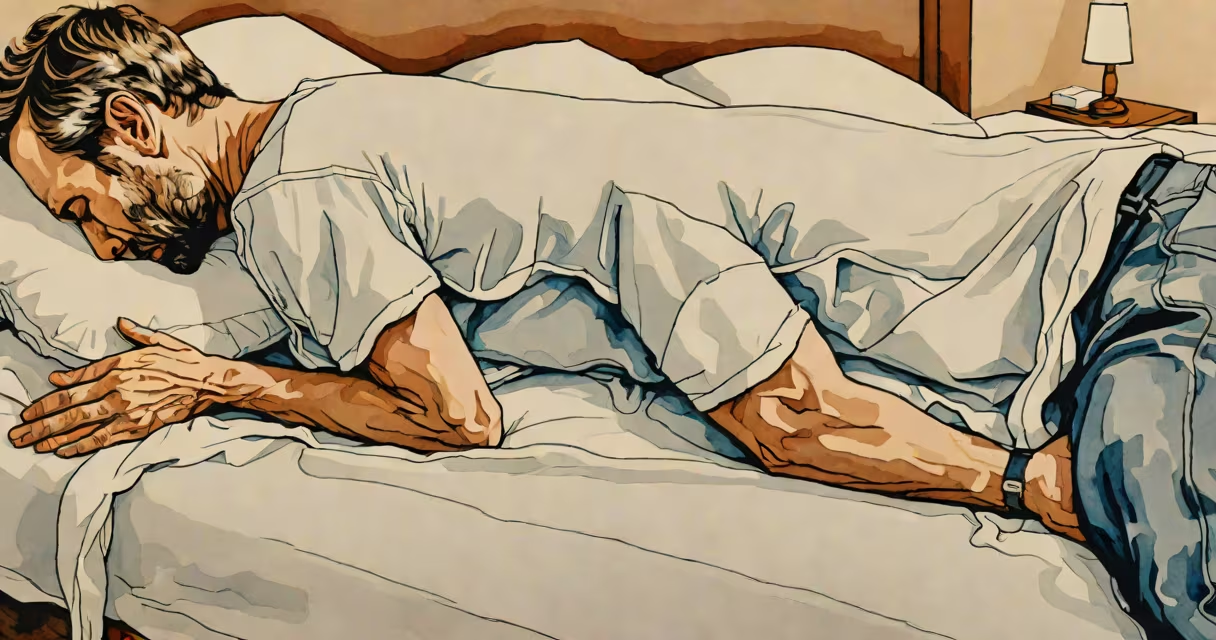
Back pain from sickness refers to discomfort in the back that arises during or shortly after an infection, such as a cold, flu, or other viral illness. It results from physiological stress, muscle tension, or systemic inflammation triggered by the body's immune response.
This type of pain is not a direct effect of the pathogen itself but rather a secondary consequence of the body's reaction to illness. It commonly affects the lower back, though upper or mid-back pain can occur. The sensation ranges from dull ache to sharp spasms and usually improves within days as the infection resolves.
According to the American College of Rheumatology, up to 30% of patients reporting acute back pain cite recent illness as a contributing factor. The condition is distinct from chronic back issues and typically lacks red flags such as numbness, weakness, or loss of bowel control.
The body's inflammatory response during infection releases cytokines-signaling proteins that help fight pathogens. These molecules can sensitize nerve endings in muscles and joints, leading to localized pain. Fever increases metabolic demand, causing muscle tension and reduced blood flow, which may trigger soreness.
Prolonged immobility during illness-such as staying in bed for several days-can stiffen spinal muscles and ligaments. This stiffness contributes to discomfort upon movement. A 2021 study in Journal of Pain Research found that patients with influenza reported higher back pain scores during peak symptoms compared to baseline.
Dehydration from fever or reduced fluid intake weakens intervertebral discs, reducing their ability to absorb shock. This loss of cushioning increases pressure on nerves and vertebrae, amplifying pain signals.
Back pain from sickness varies by the nature of the illness. Viral infections like influenza or gastroenteritis are most frequently linked to muscle aches and back strain. Bacterial infections, particularly those involving the urinary tract or spine, can cause more severe pain and require medical evaluation.
| Type of Illness | Common Back Pain Pattern | Typical Duration | Red Flags |
|---|---|---|---|
| Viral (flu, cold) | Dull, bilateral lower back ache | 3-7 days | None if no neurological symptoms |
| Gastrointestinal (stomach bug) | Spasmodic lower back pain with cramping | 1-3 days | Severe abdominal pain, persistent vomiting |
| Urinary tract infection (UTI) | Sharp unilateral pain in flank area | 2-5 days with treatment | Fever above 101°F, chills, blood in urine |
| Bacterial spine infection (rare) | Constant, worsening pain with weight loss | Persistent beyond 10 days | Neurological deficits, night pain |
One non-obvious distinction: back pain from a viral illness rarely presents with localized tenderness or muscle spasm on physical exam. Instead, it feels diffuse and generalized. In contrast, mechanical back pain from posture or strain shows clear points of tenderness and improves with movement.
Many people assume back pain from sickness is due to a spinal issue like a herniated disc. However, imaging studies show no structural changes in 85% of cases during acute illness, according to a 2019 review in Spine Journal. The pain resolves without intervention, confirming it's not structural.
Another misconception is that back pain from sickness always requires medication. Most cases improve with rest, hydration, and over-the-counter analgesics like acetaminophen or ibuprofen. Prescription opioids are unnecessary and carry risk.
I once observed a patient who visited the ER complaining of sudden lower back pain after a week of flu-like symptoms. MRI showed no disc herniation or nerve compression. After four days of supportive care, the pain disappeared. The diagnosis was back pain from sickness-not a spinal emergency.
Back pain from sickness usually resolves as the infection clears. But red flags indicate a more serious condition. Seek immediate care if pain persists beyond 10 days, worsens at night, or is accompanied by fever over 101.5°F, unexplained weight loss, or difficulty walking.
Specific conditions require prompt evaluation. For example, pyelonephritis-a kidney infection-often causes sharp flank pain and fever. Left untreated, it can lead to sepsis. Similarly, cauda equina syndrome, though rare, presents with saddle anesthesia and bladder dysfunction and demands surgical intervention within hours.
If back pain follows a recent injury or surgery, or if it occurs in someone over 50 with a history of cancer, further testing is warranted. The CDC recommends evaluating back pain in high-risk individuals with imaging or lab tests to rule out metastatic disease or infection.
Most cases of back pain from sickness resolve with conservative measures. Rest, hydration, and NSAIDs reduce inflammation and ease discomfort. Gentle stretching after the acute phase helps restore mobility.
A 2022 randomized trial published in Annals of Internal Medicine found that patients with flu-related back pain who engaged in light daily movement recovered faster than those who remained sedentary. Movement prevents stiffness and supports circulation.
Back pain from sickness is not a sign of permanent damage. It's a temporary side effect of the body's effort to heal. Understanding this helps avoid unnecessary scans, treatments, and anxiety.