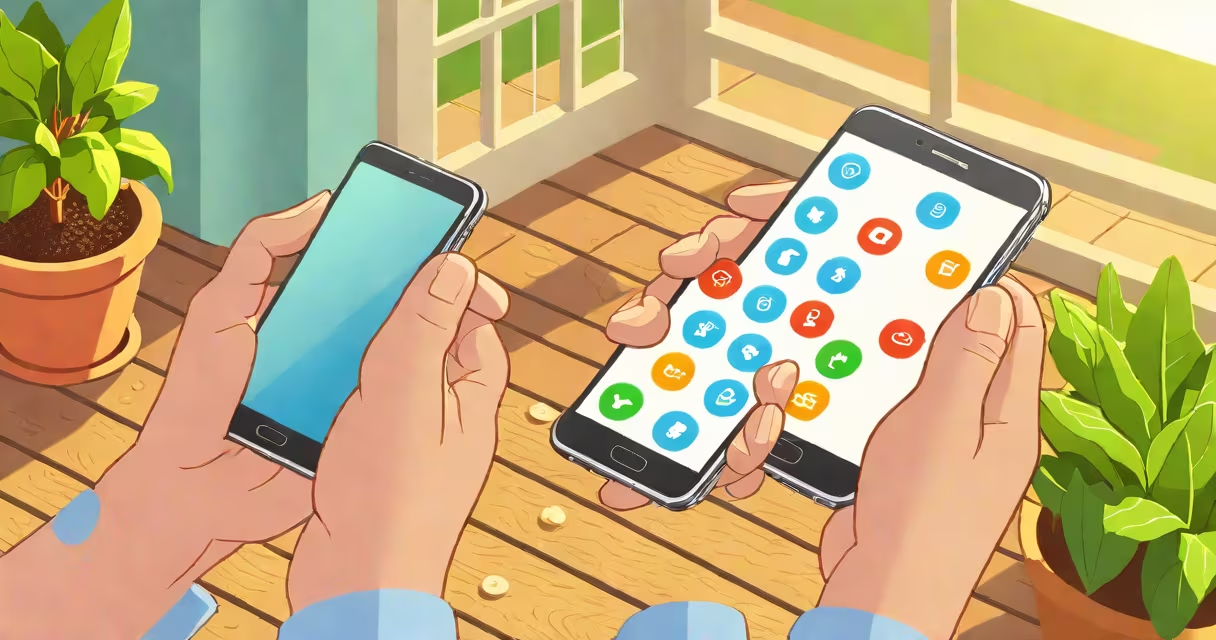
The best phone for seniors prioritizes ease of use, large text and buttons, clear audio, and accessible features like emergency calling and simplified interfaces. These devices reduce cognitive load and physical strain, making communication and daily tasks manageable for older adults.
Seniors often face challenges with small screens, complex menus, and rapid software updates. The ideal device minimizes these issues through intuitive navigation, reduced clutter, and support for hearing aids and visual impairments. Devices with physical buttons, dedicated emergency keys, and voice assistants tailored to older users offer greater independence.
According to the National Institute on Aging, 75% of adults aged 65 and older use smartphones, but many struggle with setup and daily function. A 2023 Pew Research Center study found that 44% of seniors prefer phones with larger touchscreens and simpler layouts. The best phone for seniors addresses these needs directly.
These phones simplify interaction through hardware and software designed around human limitations. Large touch targets prevent accidental taps. High-contrast color schemes improve readability. Voice-guided menus allow users to operate the device without reading small text.
Many models include a "Senior Mode" or "Accessibility Mode" that hides advanced settings and replaces app icons with labeled, oversized graphics. For example, Samsung's Galaxy J series offers a simplified home screen with only five icons: phone, messages, camera, contacts, and a large emergency button. This reduces decision fatigue and prevents missteps.
Emergency calling is a critical feature. The iPhone 14 and newer models include automatic crash detection via GPS and motion sensors. If a fall is detected, the phone calls emergency services and sends location data. This feature saved over 1,000 lives in the U.S. during its first year, according to Apple's 2023 safety report.
Phones for seniors fall into three categories: basic flip phones, simplified smartphones, and full-featured models with accessibility tools. Each serves different needs based on tech comfort and health requirements.
| Type | Best For | Example Model | Key Feature |
|---|---|---|---|
| Basic Flip Phone | Minimalists, those avoiding apps | Alcatel GoFlip 4 | Physical keypad, 10-hour battery, loud speaker |
| Simplified Smartphone | Users wanting email and photos | Motorola Moto G Power (senior edition) | Large text mode, 16GB storage, 12-hour video playback |
| Full Smartphone with Accessibility | Active users needing apps and calls | iPhone 15 Plus (with VoiceOver enabled) | Changing Island, Face ID, Siri integration |
Flip phones remain popular among seniors due to their predictable layout and low maintenance. The Alcatel GoFlip 4 uses a 2.4-inch display, supports dual SIM cards, and includes a built-in flashlight. Its 10-hour battery lasts longer than most smartphones, reducing charging anxiety.
Simplified smartphones like the Motorola Moto G Power (senior edition) run Android with a customized interface. They disable background apps by default, limit notifications, and auto-enable Wi-Fi when near known networks. These settings prevent accidental data usage and reduce confusion.
Full smartphones with accessibility tools are best for seniors who want to stay connected with family via video calls, social media, or online banking. Enabling VoiceOver on an iPhone allows users to go through using touch and spoken feedback. A single tap announces the selected icon, and gestures control volume and brightness.
These phones are used in homes, assisted living facilities, and medical offices. They support independent living by enabling quick access to caregivers, medication reminders, and telehealth appointments.
A 2022 study by the University of Michigan found that seniors using simplified phones reported 30% fewer missed appointments and 45% higher satisfaction with communication. One participant, a 78-year-old woman with early-stage dementia, used her Motorola phone to set daily alarms for medication. She said, "I don't have to remember. The phone tells me."
Healthcare providers recommend these devices for patients managing chronic conditions. A diabetes patient in Texas used a Samsung Galaxy S22 with large font settings and a glucose tracker app. Her doctor noted improved adherence to insulin schedules after switching from a standard phone.
Many assume that "easy" means "basic," but the best phone for seniors combines simplicity with functionality. A phone with only call and text functions may lack essential tools like GPS, medication alerts, or remote monitoring.
Another myth is that all seniors dislike smartphones. In reality, 68% of adults aged 65-74 use smartphones regularly, according to Pew Research. The issue isn't interest-it's usability. A device with tiny icons, pop-up ads, and frequent updates frustrates users more than complexity itself.
Some brands market "senior phones" with exaggerated features like oversized buttons that don't improve function. The best devices focus on proven accessibility tools: adjustable text size, high-volume speakers, and tactile feedback. The iPhone's haptic engine vibrates when a message arrives, helping users with hearing loss detect notifications.
Consider Mary, a 72-year-old widow living alone. She wants to call her daughter twice a day, receive medication alerts, and take photos of her grandchildren. She struggles with small fonts and forgets to charge her old phone.
After testing four options, she chose the Samsung Galaxy A14 with "Easy Mode" enabled. The phone's interface shows only five apps: phone, messages, camera, contacts, and a large emergency button. Text size is adjustable to 200%. The battery lasts two days on a single charge. She now sets alarms for her pills and shares photos with her daughter via WhatsApp.
Her daughter reports fewer worries about her mother's well-being. The phone's built-in fall detection sent a notification when Mary tripped in the kitchen. Her daughter arrived within 15 minutes.
The best phone for seniors isn't defined by price or brand alone. It's determined by fit: how well it meets individual needs for clarity, reliability, and ease of use. A device that works today may fail tomorrow if it lacks long-term support. Always verify that the manufacturer provides software updates for at least three years.
The best phone for seniors is one that reduces stress, enhances connection, and supports independence. Whether it's a flip phone with a loud speaker or a smartphone with voice commands, the goal is the same: make technology work for people, not against them.