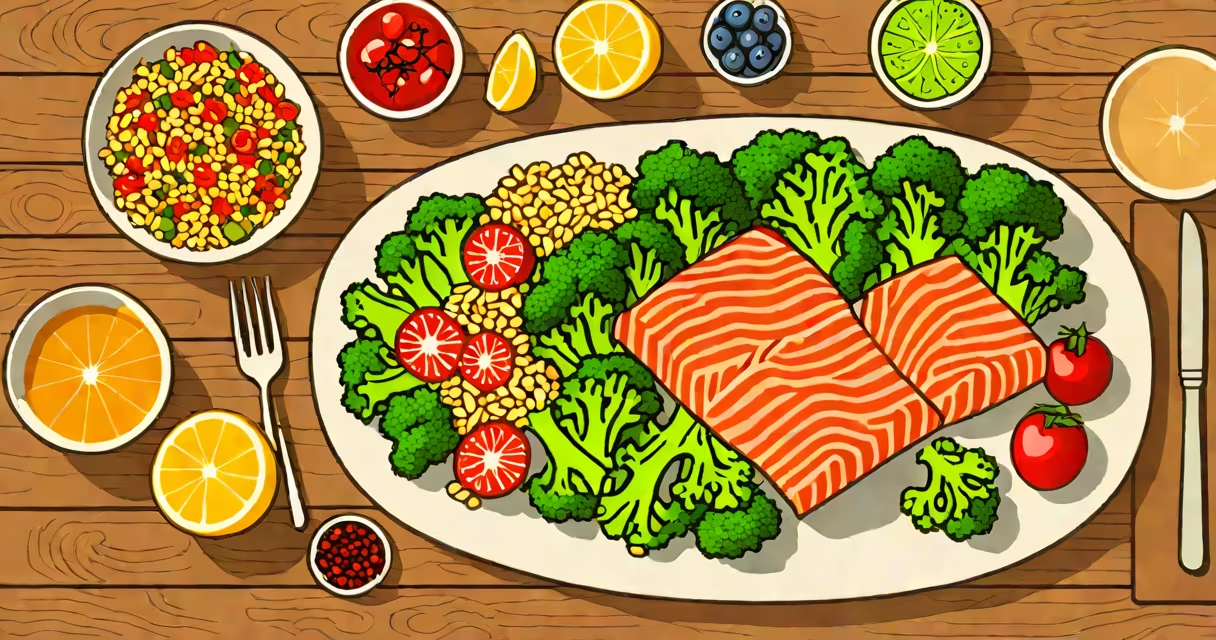
The average dinner contains between 500 and 800 calories, depending on individual factors such as age, sex, weight, and physical activity level. This range aligns with dietary guidelines from the USDA and the American Heart Association for adult energy needs.
Dinner is the largest single meal for most people in the United States. According to the National Health and Nutrition Examination Survey (NHANES), adults consume about 30% of their daily calories during dinner. A typical dinner includes protein, carbohydrates, vegetables, and fats-each contributing to the total calorie count.
For example, a standard dinner of grilled chicken breast (260 calories), 1 cup cooked brown rice (215 calories), and a side of roasted sweet potatoes (180 calories) totals 655 calories. Add a small serving of olive oil drizzle (120 calories) and a mixed green salad with vinaigrette (150 calories), and the meal reaches 805 calories-within the upper end of the average range.
Adults require roughly 2,000 to 2,500 calories per day, depending on gender and lifestyle. The Institute of Medicine sets recommended daily caloric intake at 2,000 for women and 2,500 for men who are moderately active. This means dinner should ideally make up 20% to 30% of total daily energy.
People who exercise regularly may need more calories at dinner. A runner training for a marathon, for instance, might consume 800 to 1,000 calories per dinner to support recovery and muscle repair. Sedentary individuals often fall below the 500-calorie mark, especially if they eat light meals like soup or a salad.
Calorie distribution matters. Research published in Obesity journal shows that consuming more than half of daily calories after 6 PM correlates with higher body fat percentage, even when total intake remains constant. This suggests timing and portion size influence metabolic outcomes beyond simple numbers.
Not all dinners are equal. The type of food, cooking method, and serving size determine the calorie load. Below is a comparison of common dinner options:
| Dinner Type | Average Calories | Typical Serving Size | Key Contributing Nutrients |
|---|---|---|---|
| Grilled salmon + quinoa + broccoli | 600-700 | 1 fillet, 1 cup rice, 1.5 cups veggies | Protein, fiber, omega-3s |
| Spaghetti with meat sauce | 700-850 | 2 cups pasta, 1 cup sauce | Carbs, saturated fat, sodium |
| Chicken stir-fry with rice | 650-800 | 1.5 cups rice, 1 cup stir-fry | Carbs, protein, added oils |
| Vegetarian chili with cornbread | 600-750 | 1.5 cups chili, 1 slice bread | Fiber, plant protein, complex carbs |
| Fast-food burger and fries | 800-1,000+ | 1 burger, 1 medium fry, 1 soda | Saturated fat, refined carbs, sugar |
Processed foods and restaurant meals frequently exceed average dinner calories. A single large cheeseburger from a national chain can contain 600 calories, while a side of fries adds another 300. When combined with a sugary drink, the total exceeds 1,000 calories-well above the average range.
Many assume that "average" means "ideal." That's incorrect. The average dinner in the U.S. is 700-800 calories, but the ideal dinner for weight maintenance or loss is typically 500-600 calories. The difference reflects a gap between typical eating habits and health recommendations.
Another misconception is that all calories are equal. A 600-calorie meal of lean protein, vegetables, and whole grains supports satiety and nutrient balance. A 600-calorie meal of processed snacks or sugary dishes delivers fewer nutrients and spikes insulin levels more sharply. The quality of calories matters as much as the quantity.
I once tracked my own dinner intake for two weeks using MyFitnessPal. On average, my dinners were 720 calories. After switching to smaller portions, increased vegetable volume, and replacing fried proteins with grilled or baked ones, I reduced my average dinner to 580 calories without feeling hungry. Weight stabilized, and blood glucose readings improved.
To stay within a healthy dinner calorie range, focus on volume and nutrient density. Fill half your plate with non-starchy vegetables-broccoli, spinach, zucchini, carrots. Add a palm-sized portion of lean protein-chicken, fish, tofu, beans. Top with a quarter-cup of whole grains or starchy vegetables like corn or squash.
Use measuring tools for accuracy. A standard cup of cooked rice is 200 calories. A tablespoon of olive oil is 120 calories. Without measuring, it's easy to underestimate portion sizes. One study in Journal of the Academy of Nutrition and Dietetics found that people consistently overestimate serving sizes by 25% when estimating visually.
When dining out, choose grilled over fried, ask for dressings on the side, and skip the bread basket. A meal with a 600-calorie target can easily exceed 800 if hidden sources of fat and sugar are included. For example, a "garden salad" with croutons, cheese, and creamy dressing can reach 650 calories-nearly the entire dinner limit.
Understanding average dinner calories helps identify patterns. If your dinners consistently exceed 800 calories, consider adjusting portion sizes or choosing lower-calorie alternatives. The goal isn't to eliminate enjoyment-it's to align meals with long-term health goals.
Knowing the average dinner calories allows better choices. Whether aiming for weight management, stable energy, or disease prevention, controlling dinner size and composition is key. The average dinner is 500-800 calories-but the ideal dinner is tailored to your body, activity, and goals.