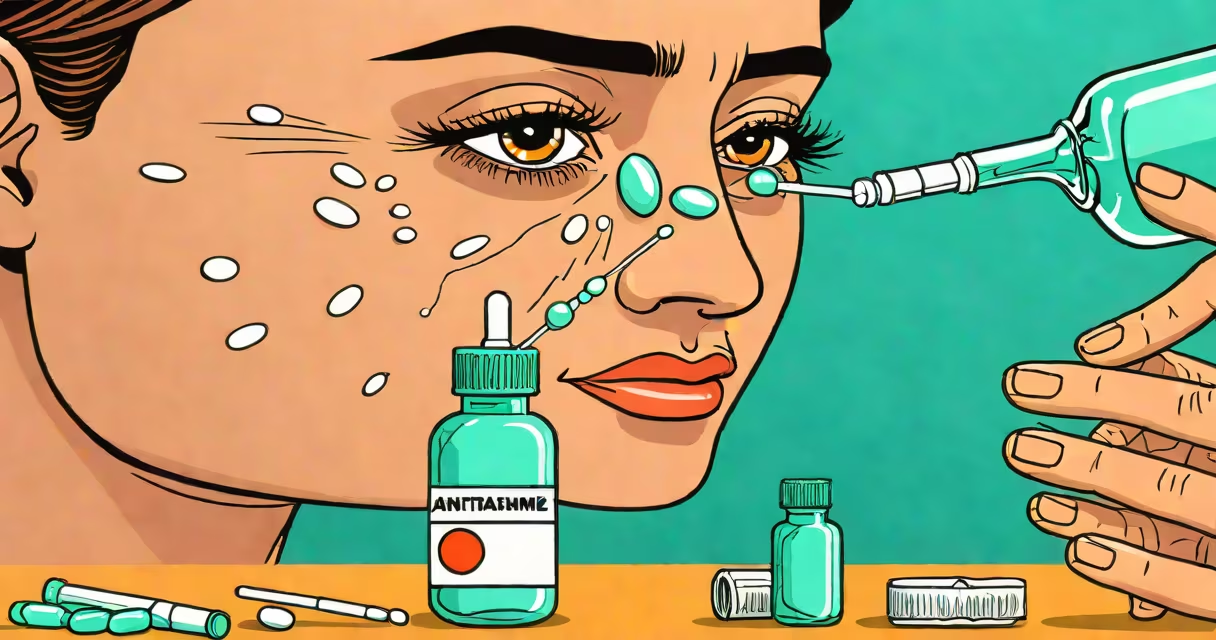
Allergy medication for watery eyes treats symptoms caused by allergens triggering immune responses in the eyes, leading to inflammation, itching, and excessive tear production. These medications work by blocking histamine receptors or stabilizing cells that release inflammatory chemicals.
Watery eyes from allergies stem from allergic conjunctivitis-a condition where airborne allergens like pollen, dust mites, or pet dander activate mast cells in the eye's surface. This triggers the release of histamine, which causes blood vessels to dilate, tissues to swell, and tear glands to overproduce fluid. The result is redness, burning, and persistent watering.
Effective treatment requires targeting both ocular and systemic symptoms. Medications fall into two categories: those applied directly to the eyes and those taken orally or nasally. Topical options act faster on eye-specific symptoms, while oral drugs address widespread allergic reactions.
When allergens enter the eye, they bind to IgE antibodies on mast cells. This activates the cells to release histamine and other mediators like leukotrienes. Histamine binds to H1 receptors on blood vessels and nerves, causing dilation, increased permeability, and nerve stimulation that leads to tearing and itchiness.
Antihistamine eye drops block H1 receptors directly in the conjunctiva. By preventing histamine from binding, they reduce vascular leakage and nerve signaling. Oral antihistamines like loratadine or cetirizine cross the blood-brain barrier less than older versions, minimizing drowsiness while still reducing systemic allergic responses.
Mast cell stabilizers such as cromolyn sodium prevent the release of histamine altogether. They must be used regularly, even when symptoms aren't present, because they don't treat existing inflammation-they stop it from starting. This makes them ideal for seasonal prevention but less effective during acute flare-ups.
The most effective treatments combine targeted delivery with broad symptom control. Here's how different options compare:
| Type | Examples | Onset Time | Duration | Best For |
|---|---|---|---|---|
| Topical antihistamine | Pataday (olopatadine), Elestat (epinastine) | 15-30 minutes | 12 hours | Acute watery eyes, itching, redness |
| Mast cell stabilizer | Cromolyn sodium (NasalCrom Eye Drops) | 30-60 minutes | 8-12 hours | Prevention, mild chronic cases |
| Oral antihistamine | Loratadine (Claritin), cetirizine (Zyrtec) | 1-2 hours | 24 hours | Systemic symptoms: sneezing, runny nose, itchy skin |
| Nasal spray with decongestant | Astepro (azelastine), Flonase (fluticasone) | 30 minutes | 24 hours | Reducing nasal congestion that worsens eye symptoms |
Combination therapies exist-like olopatadine, which blocks both H1 receptors and mast cell degranulation. These dual-action drugs offer faster relief than single-mechanism agents and are often prescribed for moderate-to-severe allergic conjunctivitis.
Many people assume that over-the-counter eye drops meant for dry eyes will help watery eyes. This is incorrect. Dry eye drops contain lubricants that increase moisture, but they do nothing to stop the underlying immune reaction driving excessive tearing. Using them can make symptoms worse by adding fluid to inflamed tissue.
Another misconception is that watery eyes always mean "allergies." While allergic conjunctivitis is common, viral infections like adenovirus or bacterial conjunctivitis can mimic similar symptoms. If redness persists beyond 48 hours, discharge appears, or vision blurs, medical evaluation is needed. Misdiagnosis delays proper treatment.
A lesser-known fact: some oral antihistamines cause dry mouth and dry eyes as side effects. Drugs like diphenhydramine (Benadryl) may relieve sneezing but worsen ocular discomfort in patients with pre-existing dry eye syndrome. Always check drug profiles before selecting a systemically acting agent.
In spring 2023, a 34-year-old teacher reported daily watery eyes, itching, and nasal congestion during pollen season. She had tried saline rinses and artificial tears without improvement. Her primary care provider diagnosed allergic conjunctivitis and recommended olopatadine 0.1% eye drops twice daily.
After five days of consistent use, her tearing decreased by 70%, and itching resolved. She also began using fluticasone nasal spray once daily. Within two weeks, she returned to normal classroom activities without needing to wipe her eyes every 10 minutes.
This case illustrates that treating ocular symptoms requires addressing both local and systemic pathways. Combining topical and nasal therapy outperformed monotherapy in clinical trials published by the American Academy of Ophthalmology (AAO).
If over-the-counter allergy medication for watery eyes fails after seven days, consult an allergist or ophthalmologist. Persistent symptoms suggest either misdiagnosis or the presence of comorbid conditions like dry eye disease or autoimmune disorders.
Severe cases may require prescription-strength drops like ketotifen or cyclosporine (Restasis). These suppress immune activity in the cornea and are used when standard antihistamines fail. They're not available over the counter due to risk of corneal thinning with long-term use.
For recurring episodes, allergy testing can identify specific triggers. Avoidance strategies based on test results-such as HEPA filters, allergen-proof bedding, or timed outdoor exposure-reduce reliance on medication.
When symptoms persist despite over-the-counter options, seek professional guidance. Effective allergy medication for watery eyes exists-but it must match the underlying cause. Choose based on mechanism, timing, and side effect profile, not brand name or marketing claim.