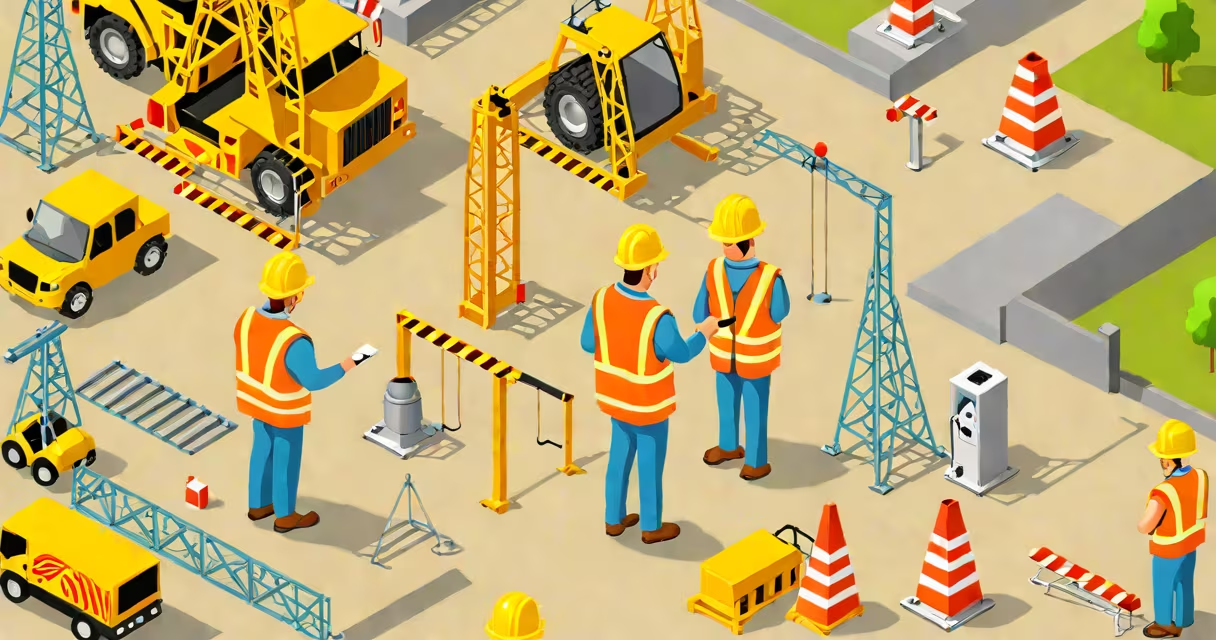
HSE stands for Health, Safety, and Environment-a structure that integrates risk management, workplace protection, and environmental stewardship across industries like manufacturing, oil and gas, construction, and healthcare.
The term describes a unified system designed to prevent accidents, reduce occupational injuries, and minimize environmental impact. Organizations implement HSE programs to meet legal standards, improve operational efficiency, and uphold employee welfare. The core goal is to create conditions where people can work without exposure to harm.
For example, a chemical plant uses HSE protocols to monitor air quality, train staff on emergency response, and ensure waste disposal complies with EPA regulations. Without HSE oversight, such facilities face higher risks of spills, fires, and long-term contamination.
HSE operates through structured processes: hazard identification, risk assessment, control implementation, and continuous monitoring. Each step reduces the likelihood of incidents by addressing known threats before they cause injury or damage.
At a mining operation, HSE teams conduct daily site inspections to check for unstable ground, faulty ventilation, or unsecured machinery. They document findings, assign corrective actions, and verify resolution. This cycle prevents fatalities-such as cave-ins or toxic gas exposure-that have historically plagued the sector.
According to OSHA (Occupational Safety and Health Administration), workplaces with formal HSE programs report 60% fewer recordable injuries than those without. The reduction stems from consistent training, clear safety signage, and accountability systems.
HSE roles vary by industry and organizational size. Common positions include HSE Officer, HSE Manager, and Environmental Compliance Specialist. Each handles distinct aspects of risk mitigation.
| Type | Focus Area | Typical Tasks |
|---|---|---|
| HSE Officer | On-site safety enforcement | Conducting safety audits, issuing PPE, responding to near-misses |
| HSE Manager | Program development and policy | Designing incident reporting systems, leading safety training |
| Environmental Compliance Specialist | Regulatory adherence | Tracking emissions data, preparing reports for EPA submissions |
In a large refinery, an HSE Manager oversees monthly drills for fire evacuation and chemical spill containment. They coordinate with local authorities and update emergency plans based on new regulations. Their work helps operations continue safely during high-risk activities.
Many assume HSE is solely about paperwork or compliance checks. In reality, it's proactive-not reactive. Effective HSE programs anticipate problems before they occur.
A frequent error is equating HSE with cost centers. On the contrary, investing in HSE reduces downtime, lowers insurance premiums, and avoids fines. A 2021 study by the National Institute for Occupational Safety and Health (NIOSH) found that every dollar spent on HSE yields $4.50 in avoided costs related to injuries and environmental violations.
Another misunderstanding is that HSE applies only to industrial settings. While factories and mines rely heavily on HSE frameworks, offices also benefit. A tech company with remote employees uses HSE principles to assess ergonomic risks, mental health strain, and cybersecurity threats-all part of complete workplace safety.
In 2019, a major pipeline project in Alberta faced delays due to soil instability near a river crossing. The HSE team halted work, conducted geotechnical analysis, and redesigned the support structure. This decision prevented a potential collapse that could have contaminated water sources and injured workers.
After the fix, the project resumed under enhanced monitoring. Daily logs recorded temperature changes, vibration levels, and worker fatigue. These metrics were fed into a digital dashboard used by supervisors and HSE auditors. The result was zero incidents over 18 months of construction.
This case illustrates how HSE isn't just about avoiding punishment-it's about building resilience. When HSE is embedded in planning, it becomes a strategic advantage.
HSE is not synonymous with "safety officer" or "compliance checker." It's a multidisciplinary field combining engineering, behavioral science, and environmental science. An effective HSE professional understands both technical systems and human behavior.
For instance, installing a fire alarm doesn't guarantee safety. If workers ignore alarms due to false positives, the system fails. HSE practitioners address both the device and the culture around it. They run simulations, gather feedback, and adjust messaging to increase response rates.
Also, HSE should not be confused with general HR policies. While HR manages leave, pay, and performance reviews, HSE focuses on physical and psychological safety. A worker experiencing burnout may need HR support-but if their workstation causes repetitive strain injury, that falls under HSE jurisdiction.
I once oversaw the rollout of an HSE program at a warehouse handling hazardous materials. We began with a baseline audit: 68% of staff weren't using gloves during chemical transfers. After introducing visual reminders, mandatory training, and supervisor spot checks, compliance rose to 97% within six weeks.
More, injury reports dropped by 40%. One employee later told me, "I didn't think I needed gloves until I saw the video of someone losing skin in seconds." That moment confirmed HSE's real-world impact-not just in numbers, but in lives changed.
Acronyms like HSE, EHS, and SHE are often used interchangeably. But subtle differences exist:
Despite naming order, all three systems follow similar standards. The ISO 45001 standard for occupational health and safety applies globally regardless of acronym choice. What matters is consistent application, not label preference.
For clarity, organizations often adopt one model and stick with it internally. A multinational firm might use HSE in Europe and EHS in the U.S., but align both under the same internal guidelines.
HSE stands for Health, Safety, and Environment-three pillars that protect people, property, and ecosystems. It's not a checklist or a box-ticking exercise. It's a living practice grounded in prevention, accountability, and continuous improvement.
Organizations that treat HSE as a core function see better retention, lower liability, and stronger public trust. leading a remote team, understanding what HSE stand for helps you build safer, smarter operations.