Obsessive compulsive disorder (OCD) is a mental health condition characterized by recurring intrusive thoughts (obsessions) and repetitive behaviors or mental acts (compulsions) performed to reduce distress. These patterns interfere with daily functioning and cause marked distress.
OCD is classified under anxiety disorders in the Diagnostic and Statistical Manual of Mental Disorders, Fifth Edition (DSM-5), published by the American Psychiatric Association. The DSM-5 defines OCD as involving obsessions-recurrent, persistent thoughts, urges, or images that are intrusive and cause marked anxiety or distress-and compulsions-repetitive behaviors or mental acts that an individual feels driven to perform in response to an obsession or according to rigid rules.
A person with OCD may spend hours each day engaging in rituals such as handwashing, checking locks, counting, or arranging objects in precise order. These behaviors are not enjoyable and are often recognized as excessive or irrational by the individual, yet they feel unable to stop them. Without treatment, symptoms can worsen over time and lead to social isolation, occupational impairment, or depression.
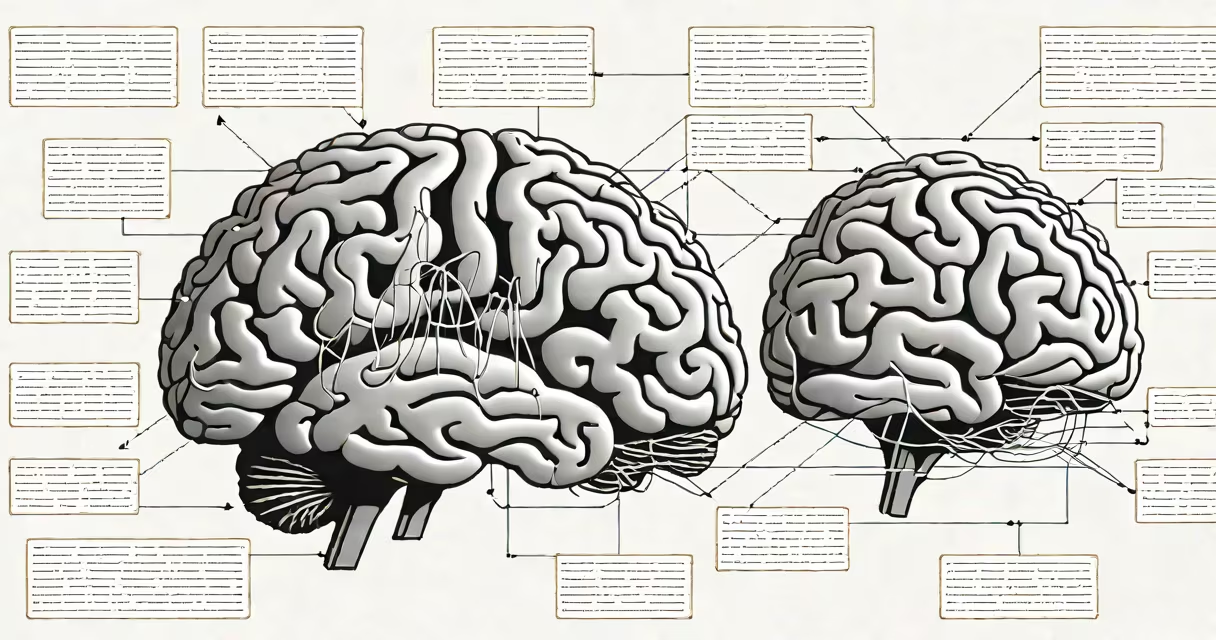
The core mechanism of OCD lies in a misfiring of neural circuits involved in threat detection and behavioral inhibition. Brain imaging studies show hyperactivity in the orbitofrontal cortex, anterior cingulate cortex, and basal ganglia-regions responsible for monitoring errors and regulating behavior. This overactivity leads to heightened perception of threat even when no danger exists.
When someone experiences an obsession-such as fear of contamination-the brain's alarm system activates. The resulting anxiety triggers a compulsion, which temporarily reduces discomfort. Over time, this cycle reinforces the behavior, making it harder to break. For example, a person who fears their hands are dirty may wash them repeatedly, reinforcing the belief that contamination is a real threat.
Research from the National Institute of Mental Health (NIMH) confirms that cognitive-behavioral therapy (CBT), particularly exposure and response prevention (ERP), is the most effective treatment. ERP works by exposing individuals to feared stimuli without allowing the usual compulsive response, gradually reducing anxiety through habituation.
OCD manifests in distinct themes, though many people experience multiple types. The following table outlines common categories based on diagnostic criteria and clinical observation.
| Obsession Type | Common Examples | Typical Compulsions |
|---|---|---|
| Contamination | Fear of germs, dirt, bodily fluids | Excessive handwashing, avoiding touching surfaces |
| Order and symmetry | Need for things to be arranged perfectly | Reordering objects, aligning items precisely |
| Hoarding | Belief that discarding items causes harm | Collecting trash, refusing to throw anything away |
| Checking | Fear of causing harm through negligence | Repeatedly checking locks, stoves, or messages |
| Religious or moral | Unwanted thoughts about sin, blasphemy, or violence | Praying excessively, seeking reassurance |
Obsessions are not always about obvious dangers. Some involve taboo thoughts-like harming loved ones or inappropriate sexual imagery-that cause intense shame. These are not indicators of intent but rather distortions of normal thinking processes.
Compulsions can be overt (visible behaviors like washing) or covert (mental acts like silently repeating prayers or counting). Covert compulsions are often missed during initial evaluations because they're invisible to others, yet they consume significant mental energy and time.
OCD typically emerges in late childhood or early adulthood, with onset around age 19.5, according to a 2021 study in JAMA Psychiatry. It affects approximately 1.2% of U.S. adults annually, with equal prevalence among men and women. However, men tend to develop symptoms earlier, often in adolescence.
Diagnosis requires that obsessions and compulsions occupy at least one hour per day or cause clinically significant distress or functional impairment. They must not be due to substance use, another medical condition, or better explained by another mental disorder.
Many people delay seeking help for years due to stigma or confusion about whether their symptoms are "normal." A friend once told me he spent five years hiding his ritual of checking door handles three times before bed, fearing he'd be labeled "crazy." He wasn't. He was experiencing OCD.
OCD is frequently misunderstood as simply being "neat" or "organized." But the difference lies in intention and impact. A person who enjoys cleaning may do so for pleasure. Someone with OCD performs cleaning rituals to relieve anxiety caused by intrusive thoughts-often feeling compelled, not choosing to act.
Another common error is equating OCD with hoarding disorder. While both involve difficulty discarding items, hoarding disorder centers on emotional attachment and fear of loss, not the need for symmetry or contamination avoidance. The DSM-5 separates them: hoarding disorder lacks the presence of obsessions focused on fear of harm or contamination.
Some confuse OCD with generalized anxiety disorder (GAD). GAD features diffuse worry about everyday issues-health, money, relationships-without specific intrusive thoughts or ritualized responses. OCD thoughts are highly specific and recurrent, often centered on themes like symmetry, contamination, or harm.
Not all repetitive behaviors qualify as compulsions. Repeating a mantra while meditating is not a compulsion. But mentally reviewing a conversation to ensure no offense was given-especially when accompanied by distress-is a red flag for OCD.
Consider Sarah, a 28-year-old teacher. She spends 45 minutes each morning checking her classroom door twice, then walking back to verify it's locked. She knows logically it's already secure, but she cannot stop. Her fear: "What if someone gets in and harms a student?"
She avoids touching doorknobs unless wearing gloves. When she sees a child cough, she obsesses over whether they might have spread illness. She washes her hands 20 times a day, leading to cracked skin. Her performance at work declines. She cancels plans out of fear of contamination.
These behaviors meet DSM-5 criteria: obsessions (fear of harm) and compulsions (checking, washing) that are time-consuming and impair function. After evaluation, she received a diagnosis of OCD with contamination and checking themes.
After eight weeks of ERP therapy, Sarah reduced her checking from 10 times to two. Her handwashing dropped to four times daily. She returned to teaching full-time and resumed social activities.
Understanding add definition and symptoms means recognizing that OCD is not a personality quirk or a preference for order-it is a clinically diagnosable condition rooted in neurobiology. Accurate identification of obsessions and compulsions is essential for proper treatment. Early intervention improves outcomes.