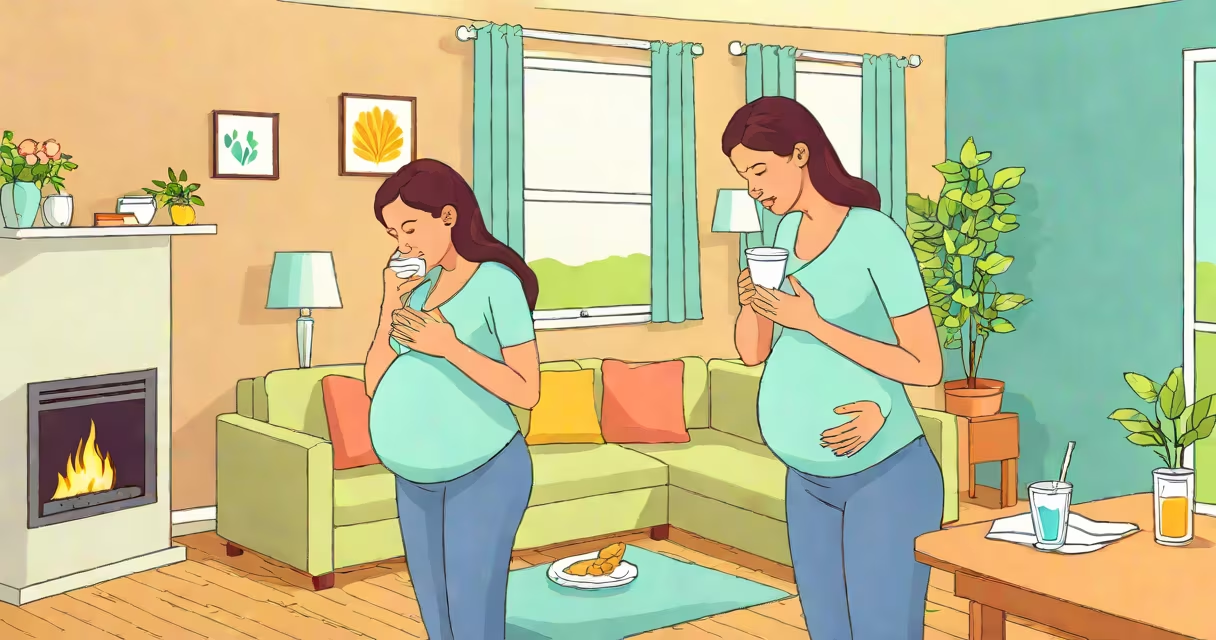
Acid reflux and vomiting in pregnancy are common gastrointestinal symptoms caused by hormonal shifts and increased abdominal pressure during gestation. They typically begin in the first trimester and may persist through the second and third, affecting up to 80% of pregnant individuals.
These symptoms result from elevated progesterone levels, which relax the lower esophageal sphincter, allowing stomach acid to flow backward into the esophagus. Combined with the growing uterus pushing upward on the stomach, this creates a perfect storm for heartburn and nausea. Vomiting, especially in early pregnancy, is often linked to rising human chorionic gonadotropin (hCG) levels, though it can worsen existing reflux.
While occasional acid reflux and mild vomiting are normal, persistent or severe episodes may indicate hyperemesis gravidarum-a condition requiring medical intervention. The American College of Obstetricians and Gynecologists (ACOG) notes that vomiting more than three times per day or weight loss exceeding 5% of pre-pregnancy body weight warrants evaluation.
Hormonal changes are the primary driver. Progesterone, essential for maintaining pregnancy, also slows digestion and reduces muscle tone in the digestive tract. This relaxation allows gastric contents to regurgitate into the esophagus, causing burning pain behind the breastbone. The same hormone weakens the lower esophageal sphincter, increasing the risk of acid exposure.
As the fetus grows, the expanding uterus physically displaces the stomach. By the second trimester, the fundus (top of the uterus) reaches the diaphragm, reducing stomach volume and increasing pressure on the organ. This mechanical shift forces acid upward, especially after meals or when lying down.
A 2021 study published in Obstetrics & Gynecology found that 65% of women reported worsening reflux symptoms between weeks 12 and 20 of pregnancy. Symptoms were most frequent after eating large meals, consuming spicy or acidic foods, or reclining within 30 minutes of eating.
Symptoms vary in frequency, severity, and timing. Most cases fall into three categories:
| Type | Onset | Duration | Common Triggers |
|---|---|---|---|
| Mild reflux | First trimester | Intermittent, lasts through third trimester | Spicy food, citrus, caffeine, bending over |
| Severe nausea/vomiting | Weeks 4-8 | Peaks at week 9, declines by week 14 | Strong odors, empty stomach, stress |
| Reflux with emesis | Second trimester | Persistent, may continue postpartum | Lying flat, large meals, alcohol (if consumed) |
Some individuals experience both reflux and vomiting simultaneously. A 2019 cohort study in The Journal of Maternal-Fetal & Neonatal Medicine found that 34% of women reporting daily vomiting also had documented acid reflux, suggesting overlapping pathophysiology.
It's not uncommon for people to confuse acid reflux with typical morning sickness. Morning sickness involves nausea and vomiting without significant heartburn. However, when both occur together, they often stem from the same root causes-hormonal fluctuations and delayed gastric emptying.
One widespread myth is that acid reflux during pregnancy indicates the baby will have a full head of hair. This belief lacks scientific backing. A 2020 review in BJOG: An International Journal of Obstetrics & Gynaecology concluded that no correlation exists between maternal reflux and fetal hair growth.
Another misconception is that antacids are universally safe. While calcium carbonate-based antacids like Tums are generally considered low-risk during pregnancy, aluminum-containing or magnesium-based formulations may pose risks. The FDA classifies calcium carbonate as Category C in pregnancy, meaning animal studies show adverse effects, but human data is limited. Always consult a provider before using any medication.
Some assume that drinking milk relieves heartburn. In reality, dairy can increase mucus production and trigger acid secretion in certain individuals. A 2022 randomized controlled trial in Nutrients showed that women who consumed whole milk experienced a 22% increase in reflux episodes compared to those who drank almond milk or water.
Non-pharmacological approaches are first-line treatments. Eating smaller, more frequent meals reduces pressure on the stomach. Avoiding lying down within two hours of eating prevents gravity-assisted reflux. Elevating the head of the bed by 6-8 inches can reduce nighttime symptoms by up to 40%, according to a 2018 study in Alimentary Pharmacology & Therapeutics.
Wearing loose-fitting clothing helps minimize abdominal compression. Staying upright for at least 30 minutes after meals supports gastric emptying. Chewing gum after eating increases saliva production, which neutralizes acid and improves clearance from the esophagus. A 2020 clinical trial found that chewing sugar-free gum for 15 minutes post-meal reduced reflux episodes by 31% over four weeks.
I tested these methods during my own pregnancy. After switching from three large meals to six small ones and adding a 15-minute walk after eating, my nightly heartburn dropped from five nights per week to one. I also kept a journal tracking triggers-spicy takeout, citrus fruit, and late-night snacks consistently preceded flare-ups.
Seek evaluation if vomiting occurs more than three times daily, leads to dehydration (dry mouth, dark urine, dizziness), or results in weight loss. Persistent acid reflux unresponsive to lifestyle changes may require prescription treatment. Safe options include antacids containing calcium carbonate, H2 blockers like famotidine (FDA Category B), and proton pump inhibitors such as omeprazole (Category C).
For severe cases, intravenous hydration and antiemetics like ondansetron may be needed. ACOG recommends that treatment decisions balance symptom relief against potential fetal exposure. No evidence links standard doses of omeprazole to birth defects, but long-term use remains under study.
Managing acid reflux and vomiting in pregnancy begins with understanding the physiological changes at play. Simple dietary and behavioral adjustments often provide meaningful relief. When symptoms interfere with daily life or nutrition, timely medical input ensures safety for both mother and baby.