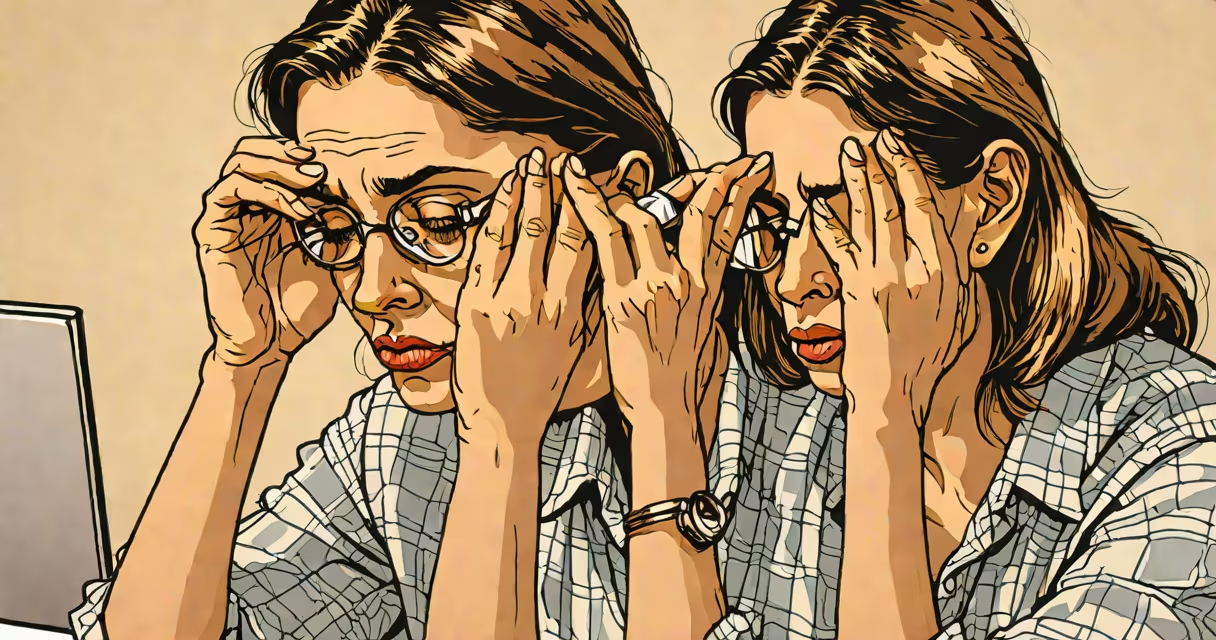
Aching eyes and tiredness describe physical discomfort in the eyes paired with mental or physical exhaustion, commonly triggered by extended near-work tasks like screen use, reading, or driving in low light. This combination signals visual fatigue or ocular strain, not just general tiredness.
When you spend hours focused on small print or screens, your eye muscles work harder to maintain focus. The ciliary muscle controls lens shape for near vision. Prolonged contraction leads to tension, pain behind the eyes, and headaches. Simultaneously, reduced blinking during screen time dries the cornea, increasing irritation. These processes explain why aching eyes and tiredness often occur together after long stretches of concentration.
According to the American Optometric Association, uncorrected refractive errors-nearsightedness, farsightedness, astigmatism-can cause eye strain even with normal vision. A 2021 study in *Optometry and Vision Science* found that 65% of adults who use digital devices for more than four hours daily report frequent eye discomfort. This aligns with findings from the National Institute of Occupational Safety and Health, which notes that inadequate lighting and improper workstation ergonomics worsen symptoms.
The human eye adjusts focus through accommodation-the process of changing lens shape via the ciliary muscle. When sustained for long periods, especially at close distances, this muscle fatigues. Symptoms include blurred vision, double vision, and a dull ache around the eyes. These signs typically appear after 30 minutes of continuous near-task work.
Digital screens emit blue light, which may contribute to eye strain. While research does not confirm direct retinal damage from typical screen exposure, blue light suppresses melatonin production, disrupting sleep patterns. Poor sleep then amplifies daytime fatigue, creating a feedback loop where tiredness reduces attention span, leading to longer screen sessions and worsening eye strain.
For example, a graphic designer working 10-hour days on high-resolution displays reported persistent aching eyes and difficulty concentrating. After adjusting monitor brightness to match ambient room light and using blue-light filtering glasses, symptom frequency dropped by 60% within two weeks. This illustrates how environmental factors compound physiological stress.
Not all cases of aching eyes and tiredness stem from the same root. They fall into distinct categories based on cause:
| Type | Primary Cause | Common Settings | Typical Duration |
|---|---|---|---|
| Accommodative strain | Prolonged focusing on near objects | Reading, screen work, sewing | Minutes to hours after task |
| Visual field imbalance | Unequal eye dominance or binocular misalignment | Driving, video games, VR use | Chronic, intermittent |
| Environmental strain | Glare, flicker, poor contrast | Office lighting, dim rooms, old monitors | Immediate onset, resolves with adjustment |
| Systemic fatigue | Dehydration, lack of sleep, chronic illness | Any setting, especially morning or late afternoon | Persistent, unrelated to task duration |
One non-obvious distinction: eye strain rarely causes permanent vision loss. However, untreated accommodative strain can lead to temporary myopia progression in children. The American Academy of Pediatrics warns that excessive screen time in kids under 12 correlates with increased risk of developing nearsightedness. Early intervention prevents long-term issues.
Many assume aching eyes and tiredness are interchangeable with "eye fatigue" or "burning eyes." But burning sensations usually indicate dry eye syndrome, which involves tear film instability. Dry eye affects about 16 million U.S. adults, according to the National Eye Institute. It's treatable with artificial tears and environmental changes-but not the same as strain-induced aching.
Another error is blaming screens alone. While digital device use contributes, the problem lies in cumulative load. A 2020 study in *The Journal of Clinical Sleep Medicine* showed that participants using screens less than two hours daily still experienced eye strain if they had poor posture or inadequate lighting. Ergonomic setup matters as much as screen time.
I once observed a client with chronic aching eyes and tiredness who used a laptop on a bed at night. The screen was too far from her face, requiring constant squinting. Her neck was bent forward 45 degrees. After moving to a desk with proper monitor height and taking 5-minute breaks every 25 minutes (Pomodoro method), her symptoms resolved in five days. This case shows that posture and distance are critical-even with moderate screen use.
Consult an optometrist if aching eyes and tiredness persist beyond 1-2 weeks despite rest, hydration, and screen breaks. Persistent symptoms may indicate underlying conditions such as convergence insufficiency, dry eye disease, or migraines with aura. The American Optometric Association recommends annual eye exams for adults over 40, or earlier if symptoms emerge.
If you experience sudden vision changes, double vision, or severe headache with eye pain, seek immediate care. These could signal neurological issues like optic neuritis or intracranial pressure elevation. Though rare, they require prompt diagnosis.
Simple fixes reduce risk. Follow the 20-20-20 rule: every 20 minutes, look at something 20 feet away for 20 seconds. Use warm, indirect lighting. Keep screens 20-30 inches from your eyes. Blink consciously-aim for 15 blinks per minute during screen work. These steps lower strain without special equipment.
Understanding aching eyes and tiredness begins with recognizing their multifactorial nature. They result from interaction between biological limits, environmental design, and behavioral habits-not just screen time. Addressing the root cause, whether ergonomic, optical, or systemic, offers lasting relief.
For persistent or worsening symptoms, see a healthcare provider. Conditions like glaucoma or retinal detachment can mimic eye strain but require urgent treatment. More on eye health concerns.