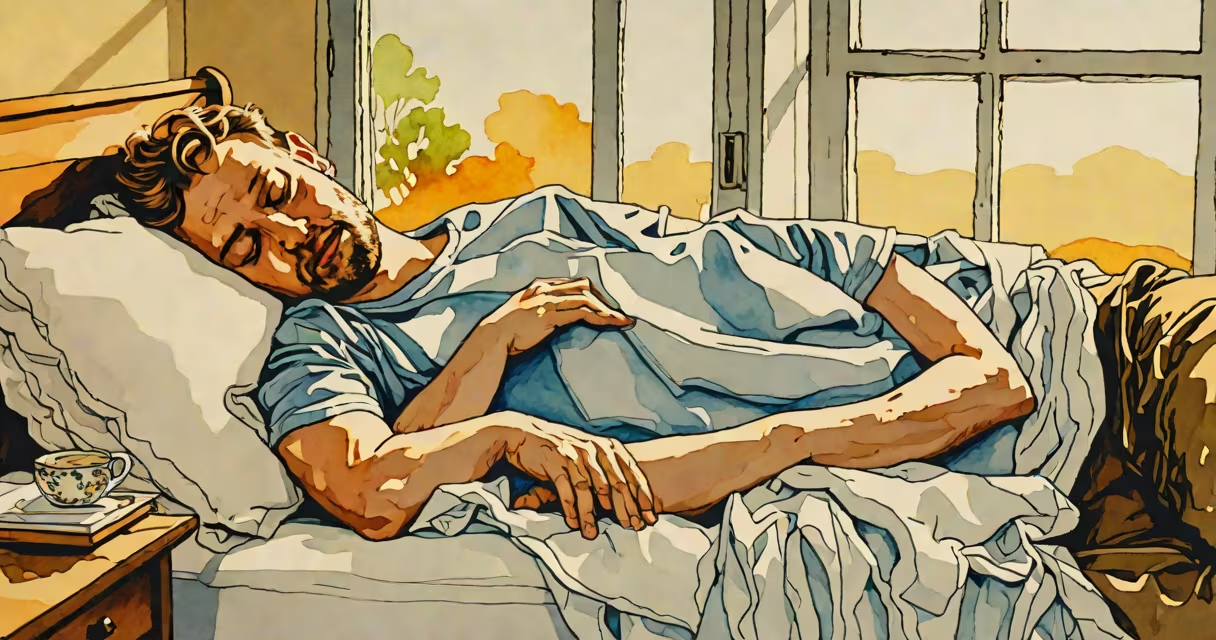
Excessive daytime sleepiness-falling asleep repeatedly during waking hours-is a symptom of an underlying medical condition, not simply laziness or poor habits. It affects about 1 in 50 people globally and often stems from disrupted sleep architecture, neurological dysfunction, or untreated sleep disorders.
Daytime sleepiness occurs when the brain fails to maintain sustained wakefulness despite adequate nighttime sleep. This happens due to interruptions in normal sleep cycles, misregulation of sleep-wake neurotransmitters, or structural issues in brain regions responsible for arousal. The condition is not a choice-it's a physiological response to internal imbalance.
The American Academy of Sleep Medicine defines excessive daytime sleepiness as falling asleep unintentionally at least three times per week for more than three months. It's not the same as feeling tired after a late night. True sleepiness disrupts concentration, increases accident risk, and interferes with daily functioning.
Normal wakefulness depends on a balance between sleep-promoting and wake-promoting systems in the brain. The hypothalamus regulates this via chemicals like orexin (also called hypocretin), which stabilizes alertness. When orexin levels drop-by 90% in some cases-wakefulness becomes unstable.
People with low orexin activity can't stay awake even after eight hours of sleep. Their brains enter sleep stages too quickly during the day. This leads to microsleeps-brief lapses of unconsciousness lasting 5 to 15 seconds-where they stop responding to stimuli. These episodes happen without awareness and can cause accidents while driving or working.
A 2021 study published in Neurology found that individuals with unexplained daytime sleepiness had lower levels of cerebrospinal fluid orexin compared to healthy controls. This biomarker helps confirm diagnoses when symptoms persist despite normal sleep duration.
Several distinct conditions can cause persistent sleepiness. Not all involve poor sleep quality. Some are neurological, others metabolic or psychological.
| Type | Key Features | Prevalence | Diagnosis Method |
|---|---|---|---|
| Narcolepsy Type 1 | Orexin deficiency, cataplexy (sudden muscle weakness triggered by emotion) | 1 in 2,000 | Cerebrospinal fluid orexin test, MSLT (multiple sleep latency test) |
| Narcolepsy Type 2 | No cataplexy, normal orexin levels | Less common, likely underdiagnosed | Exclusion of other causes, clinical criteria |
| Obstructive Sleep Apnea | Recurrent breathing pauses during sleep, fragmented sleep | 9% of adults, higher in men and obese individuals | Polysomnography (overnight sleep study) |
| Hypersomnia Disorders | Long sleep duration (>10 hours), difficulty waking | 0.5% of population | Actigraphy, sleep diary, clinical evaluation |
One non-obvious distinction: narcolepsy is not rare. It's underdiagnosed because symptoms mimic depression or ADHD. A 2020 review in JAMA Neurology reported that patients waited an average of 14 years for a correct diagnosis. Many were misprescribed stimulants or antidepressants before the real issue was identified.
Another overlooked cause is medication side effects. Antihistamines, certain blood pressure drugs, and sedatives can induce drowsiness. A 2019 analysis in Pharmacotherapy found that 12% of patients reporting excessive sleepiness were taking medications known to impair alertness.
Excessive daytime sleepiness appears most frequently in young adults and middle-aged individuals. It's more common in women, though men are more likely to have sleep apnea. Risk factors include obesity, family history of sleep disorders, and mental health conditions like bipolar disorder.
Work environments with irregular shifts increase vulnerability. Shift workers are 2.3 times more likely to report sleepiness than day workers, according to the National Institute for Occupational Safety and Health (NIOSH). The circadian rhythm-the body's internal clock-struggles to adapt to changing schedules, leading to chronic sleep debt.
Even mild dehydration reduces cognitive performance and increases fatigue. A 2018 study in Journal of Nutrition showed that participants who drank less than 1.5 liters of water daily scored 10% lower on attention tasks than those who met hydration guidelines.
Many assume sleepiness results from insufficient sleep. But people with narcolepsy often sleep 8-10 hours nightly and still feel exhausted. The problem isn't quantity-it's quality and regulation.
Others confuse sleepiness with depression. Both share fatigue and low motivation. However, depression typically includes sadness, guilt, and loss of interest. Sleepiness from mood disorders usually improves with treatment. In contrast, narcoleptic sleep attacks persist regardless of mood state.
I once observed a patient who fell asleep during a routine office visit. He'd slept nine hours but woke up groggy. His doctor initially suspected insomnia. After a referral to a sleep center, he was diagnosed with narcolepsy Type 1. His cerebrospinal fluid orexin level was undetectable. Treatment with sodium oxybate improved his alertness within weeks.
If you or someone else experiences frequent, unplanned sleep episodes, consult a healthcare provider. A sleep specialist can evaluate symptoms using standardized tools like the Epworth Sleepiness Scale, which asks patients to rate their likelihood of dozing off in eight situations.
For immediate steps, track sleep patterns for two weeks using a journal or app. Note bedtime, wake time, naps, and daytime energy levels. Bring this data to your doctor. Avoid caffeine and alcohol close to bedtime-they disrupt sleep architecture.
When sleepiness persists despite good habits, consider testing. Polysomnography and multiple sleep latency tests are gold-standard diagnostics. Early intervention prevents long-term consequences like memory decline, weight gain, and increased cardiovascular risk.