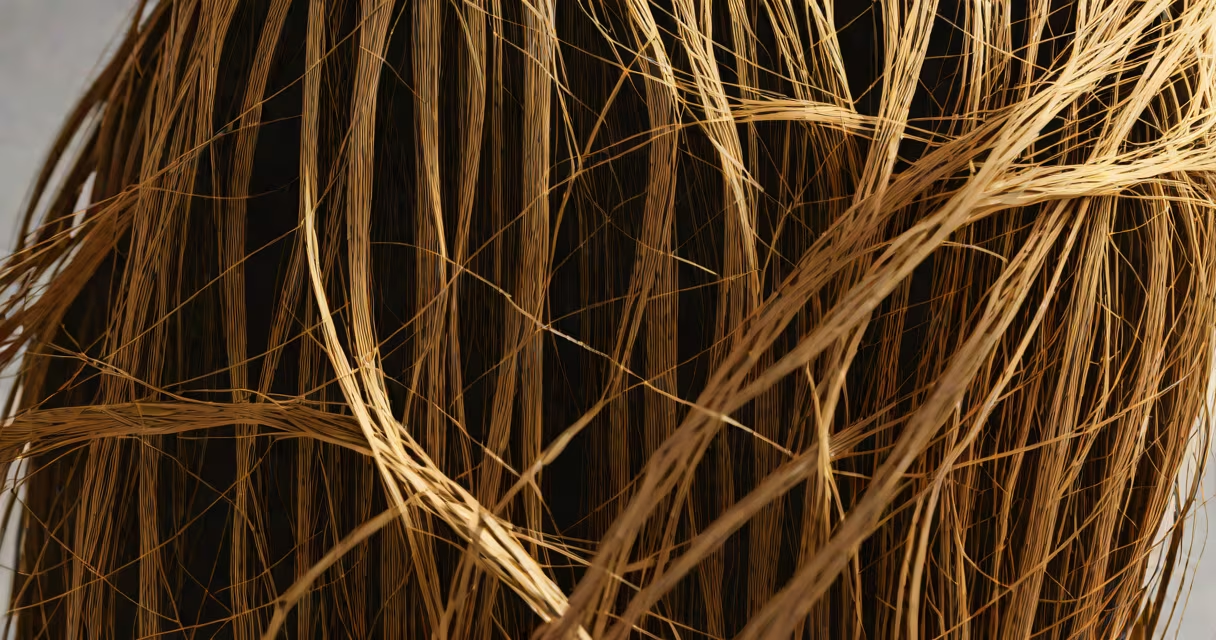
Hair splitting, commonly known as split ends, happens when the protective outer layer of the hair shaft-called the cuticle-frays or peels apart, exposing the inner cortex. This structural failure results in visible, uncontrolled branching at the tips of hair strands, leading to weakness and breakage.
Split ends are not a condition that spreads up the hair shaft. They form at the very tip due to cumulative damage. Once formed, they cannot repair themselves. The only way to remove them is through trimming. Without intervention, split ends lead to further breakage, thinning, and loss of length.
According to the American Academy of Dermatology Association, daily exposure to heat styling tools, frequent washing with harsh shampoos, and aggressive brushing contribute to cuticle degradation. A 2021 study published in the Journal of Cosmetic Dermatology confirmed that repeated thermal stress reduces hair tensile strength by up to 30% after just five uses of a flat iron at 200°C (392°F).
The hair shaft consists of three layers: the cuticle (outer layer), cortex (middle layer), and medulla (innermost core). The cuticle acts like overlapping scales that shield the cortex. When these scales lift or tear due to external stress, the cortex becomes exposed and vulnerable.
Common triggers include brushing wet hair, using high-heat styling tools, chlorine exposure from swimming, and chemical processes like bleaching or relaxing. Each time you run a comb through damp hair, especially if it's tangled, you apply shear force that can snap the fragile cuticle layer.
A real-world example: someone who dries their hair daily with a blow dryer set to high heat and then styles it with a flat iron may notice increased frizz and visible splits within six weeks. The repeated thermal cycling causes dehydration and protein denaturation in the cortex, weakening the structure until it fractures at the tip.
Not all hair damage manifests as split ends. However, several forms of damage increase the risk:
| DAMAGE TYPE | CAUSE | HOW IT LEADS TO SPLITTING |
|---|---|---|
| Thermal damage | Flat irons, curling wands, blow dryers | Heat above 160°C (320°F) causes water evaporation and protein unfolding, leading to brittleness and cuticle lifting. |
| Chemical damage | Bleach, relaxers, perms | Alkaline agents break disulfide bonds in keratin, weakening the cortex and making it prone to tearing. |
| Mechanical damage | Over-brushing, tight hairstyles, rough towel drying | Shear forces from friction cause micro-tears in the cuticle, which grow into splits over time. |
One non-obvious fact: split ends are not caused by dryness alone. While dehydrated hair is more brittle, the primary issue is structural failure of the cuticle. A 2019 study in the International Journal of Trichology showed that even well-moisturized hair can split if subjected to repeated mechanical stress.
Split ends are often mistaken for other signs of hair damage, such as frizz, breakage, or thinning. Frizz results from moisture imbalance and raised cuticles but doesn't involve actual splitting. Breakage occurs when hair snaps mid-shaft due to tension or weakness-not necessarily at the tip.
Another misconception: split ends can't be "fixed" with oils or serums. These products coat the surface and temporarily reduce frizz, but they don't rebuild the cuticle or seal the split. Claims that leave-in conditioners "repair" split ends are misleading. The FDA does not recognize any topical product that can reverse structural damage to the hair shaft.
I once observed a client who applied a deep conditioner twice daily for three months, believing it would heal her split ends. Despite improved shine and softness, the splits remained and worsened. Only after a professional trim did the fraying stop.
Preventing split ends requires consistent care. Use heat protectant sprays before styling, limit heat tool use to once a week, and switch to wide-tooth combs on wet hair. Wash less frequently-every 2-3 days instead of daily-to preserve natural oils.
Trimming every 6-8 weeks removes damaged tips before they split further. A standard trim removes about 1/4 inch of length but prevents the loss of 1-2 inches of hair over time due to unchecked breakage.
When choosing products, look for ingredients like ceramides, panthenol, and hydrolyzed proteins. These strengthen the cuticle and improve resilience. Avoid sulfates, alcohols, and silicones that strip moisture or create buildup.
Understanding why your hair is splitting begins with recognizing that it's a sign of accumulated damage, not a sudden flaw. Addressing the root causes-heat, chemicals, friction-reduces recurrence. Regular trims remain the most effective solution. There is no topical fix for split ends. Prevention and maintenance are key to preserving hair length and strength.