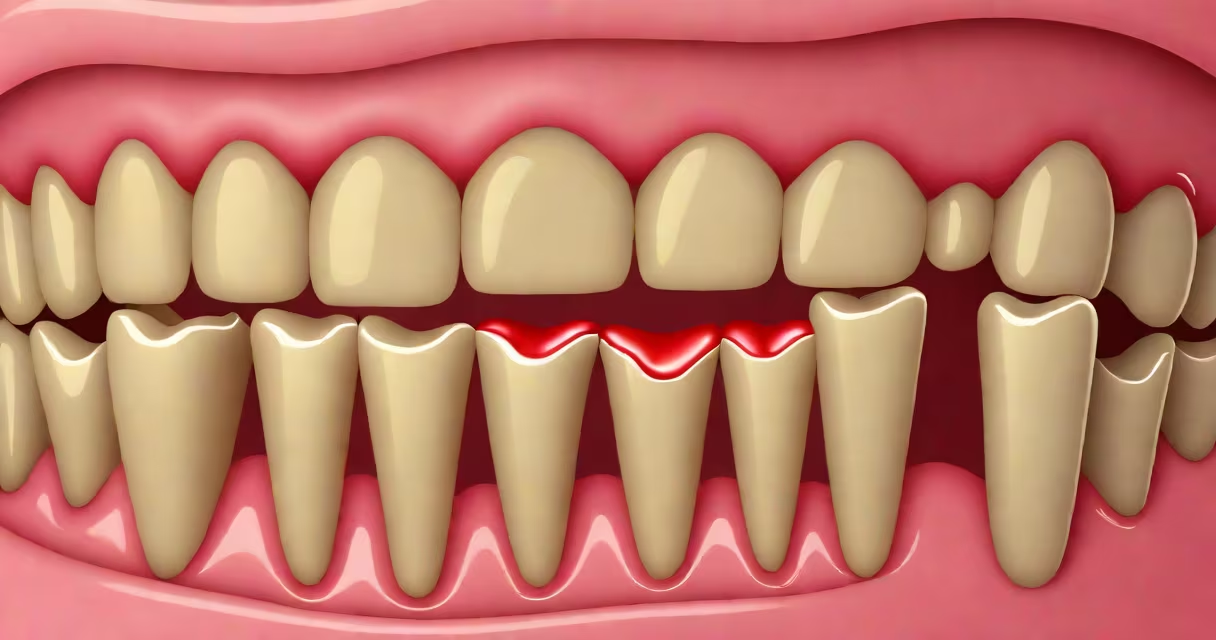
Gum pain above a tooth typically results from localized inflammation, infection, or trauma affecting the periodontal tissues surrounding the tooth root. This discomfort often stems from bacterial buildup, gum disease, or a dental abscess, and may worsen with chewing or cold exposure.
The area above a tooth where the gum meets the enamel is called the gingival margin. When this region becomes irritated or infected, pain develops due to nerve stimulation in the sensitive connective tissue. The most common cause is gingivitis, an early stage of gum disease marked by redness, tenderness, and bleeding during brushing. According to the American Dental Association, nearly half of adults aged 30 and older have some form of periodontal disease.
If left untreated, gingivitis can progress to periodontitis, where the supporting bone and ligaments around the tooth deteriorate. This leads to deeper pockets forming between the tooth and gum, trapping food and bacteria. A 2021 study published in the Journal of Clinical Periodontology found that 12% of adults with untreated gingivitis developed periodontitis within two years.
Pain above the tooth arises when pressure builds in the periodontal space due to swelling or fluid accumulation. Bacteria release toxins that trigger immune responses, causing blood vessels to dilate and fluids to leak into surrounding tissue. This process increases pressure on nearby nerves, resulting in sharp or throbbing pain.
For example, a person who skips flossing daily may develop plaque along the gumline. Over time, this plaque hardens into tartar, which cannot be removed by brushing alone. Tartar irritates the gums, leading to inflammation and eventual recession. As the gum pulls away from the tooth, the root surface becomes exposed, making it sensitive to temperature changes and touch.
Another mechanism involves a dental abscess. This occurs when bacteria enter the pulp chamber through a cavity or crack. The infection spreads to the root tip and forms a pus-filled pocket in the jawbone. The pressure from pus can push the gum upward, creating a visible bump that feels tender when pressed. The Mayo Clinic notes that untreated dental abscesses can lead to systemic infections and require urgent treatment.
Several distinct conditions can cause gum pain above a tooth. Identifying the correct one affects treatment choices and outcomes.
| Condition | Key Symptoms | Typical Cause |
|---|---|---|
| Gingivitis | Red, swollen gums; bleeding when brushing; mild tenderness | Plaque buildup on tooth surfaces |
| Periodontitis | Receding gums; loose teeth; persistent bad breath; pus discharge | Untreated gingivitis leading to bone loss |
| Dental Abscess | Severe throbbing pain; facial swelling; fever; visible gum boil | Bacterial infection spreading from tooth pulp to root tip |
| Pericoronitis | Pain around a partially erupted wisdom tooth; difficulty opening mouth | Food and debris trapped under gum flap covering a tooth |
One non-obvious distinction is that not all gum pain above a tooth comes from the tooth itself. Sometimes, the issue lies in the soft tissue alone-such as a traumatic ulcer caused by biting the gum while eating crunchy foods. These injuries heal within 7-10 days with proper oral hygiene and avoidance of irritants.
Many people assume that gum pain above a tooth is always due to a cavity. That's incorrect. While cavities can contribute to tooth sensitivity, they don't directly cause gum inflammation unless decay reaches the gumline. A cavity confined to the enamel layer won't affect the gum tissue above.
Another misconception is that rinsing with salt water cures the problem. Saltwater reduces inflammation temporarily and soothes discomfort, but it doesn't eliminate bacterial infections. Relying solely on home remedies delays diagnosis and treatment, increasing the risk of irreversible damage.
I once observed a patient who ignored recurring gum pain above a molar for six months. She used over-the-counter mouthwash and avoided hot foods. By the time she visited a dentist, the infection had spread to the jawbone, requiring surgical drainage and antibiotics. Her initial pain was caused by a small abscess that had gone undetected because she mistook it for a minor irritation.
Seek professional care if pain persists beyond five days, worsens at night, or is accompanied by swelling, fever, or pus. These signs indicate a progressing infection that may require antibiotics or surgical intervention.
Even mild symptoms should prompt evaluation if they recur regularly. Chronic gum inflammation increases the risk of tooth loss and has been linked to systemic health issues such as heart disease and diabetes. The Centers for Disease Control and Prevention reports that individuals with moderate to severe periodontitis are twice as likely to develop cardiovascular disease compared to those with healthy gums.
A dentist can confirm the cause using clinical exams and imaging. A panoramic X-ray reveals bone loss or abscesses hidden beneath the gumline. In some cases, a biopsy may be needed to rule out rare conditions like oral cancer, though this is uncommon in younger patients.
Treatment varies based on diagnosis. Gingivitis responds well to improved brushing and flossing, plus professional cleaning. Periodontitis may require scaling and root planing-a deep-cleaning procedure that removes plaque from below the gumline. Abscesses often need drainage and antibiotic therapy. In advanced cases, tooth extraction or surgery may be necessary.
Prevention centers on consistent oral hygiene. Brushing twice daily with fluoride toothpaste, flossing daily, and visiting a dentist every six months reduce the risk of gum disease. Avoiding tobacco products and limiting sugary foods further supports gum health.