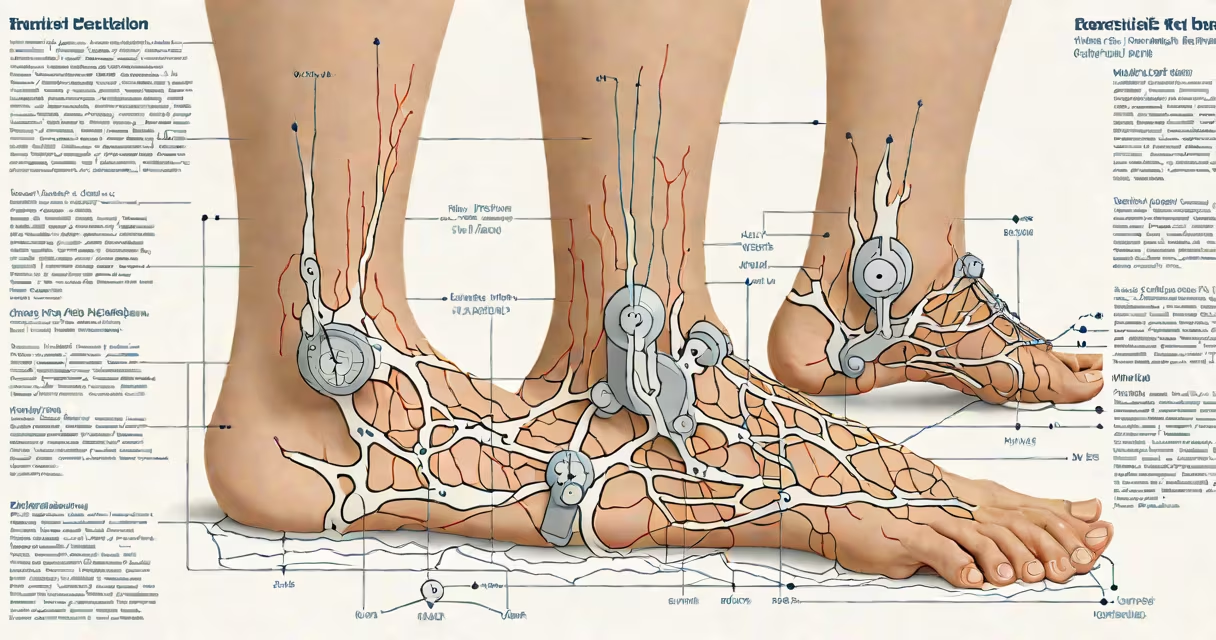
People retain fluid when their bodies accumulate excess water in tissues, leading to swelling known as edema. This happens due to imbalances in pressure, hormone levels, or organ function that disrupt normal fluid distribution.
Fluid retention occurs when the body's regulatory systems fail to maintain equilibrium between fluid intake, movement across blood vessel walls, and elimination via kidneys and lymphatics. The process begins with filtration of fluid from capillaries into interstitial spaces. Normally, most fluid returns to circulation through the lymphatic system or is excreted by the kidneys. When this balance breaks down, fluid pools in tissues such as legs, ankles, hands, or lungs.
Common triggers include sodium overload, reduced cardiac output, kidney dysfunction, liver cirrhosis, and hormonal shifts. For example, high salt intake increases blood osmotic pressure, pulling fluid out of cells and into tissue spaces. Similarly, low albumin levels in blood reduce oncotic pressure, impairing fluid return to vessels. These disruptions lead to visible puffiness, tight clothing, or sudden weight gain.
The body maintains fluid balance through a network of systems including the cardiovascular, renal, and endocrine systems. When one fails, fluid accumulates. The primary mechanism involves hydrostatic and oncotic pressures across capillary walls.
Hydrostatic pressure pushes fluid out of capillaries into surrounding tissues. Oncotic pressure, driven mainly by plasma proteins like albumin, pulls fluid back into vessels. If hydrostatic pressure rises-due to heart failure, for instance-or oncotic pressure drops-because of malnutrition or liver disease-fluid leaks into tissues faster than it can be removed.
For example, in congestive heart failure, weakened left ventricular pumping reduces blood flow from the lungs. Blood backs up into pulmonary veins, increasing pressure in lung capillaries. Fluid leaks into alveoli, causing pulmonary edema. Patients may develop shortness of breath, especially when lying flat, and require diuretics to remove excess fluid.
Fluid retention manifests differently depending on the underlying cause. The condition can be localized (swelling in one area) or generalized (widespread puffiness).
| Type | Primary Cause | Typical Location | Associated Conditions |
|---|---|---|---|
| Peripheral edema | Reduced cardiac output or venous obstruction | Lower limbs, ankles | Heart failure, deep vein thrombosis, prolonged sitting |
| Pulmonary edema | Left-sided heart failure or acute lung injury | Lungs | Acute coronary syndrome, sepsis, high-altitude exposure |
| Generalized edema | Low serum albumin or systemic inflammation | Whole body, especially face and extremities | Nephrotic syndrome, severe malnutrition, liver cirrhosis |
| Dependent edema | Gravity-induced pooling in immobile individuals | Feet and lower legs | Prolonged standing, bed rest, pregnancy |
One often-overlooked cause is medication side effects. Drugs like calcium channel blockers (used for hypertension), NSAIDs (such as ibuprofen), and certain diabetes medications (like pioglitazone) interfere with sodium and water regulation. A patient taking amlodipine for blood pressure may notice ankle swelling within weeks-this is a documented side effect seen in 1-3% of users according to the FDA's Adverse Event Reporting System.
Many assume fluid retention is always due to poor diet or lack of exercise. While high sodium intake contributes, it rarely causes significant swelling without pre-existing conditions. True edema usually signals deeper physiological disruption.
A key distinction: temporary puffiness after salty meals typically resolves within hours with hydration and movement. Persistent swelling-especially if asymmetric, painful, or accompanied by skin changes like redness or warmth-suggests pathology. For instance, unilateral leg swelling with tenderness raises concern for deep vein thrombosis, which requires immediate imaging and anticoagulation.
Another misconception is equating bloating with fluid retention. Bloating from gas or constipation feels distended but doesn't involve measurable fluid accumulation. True edema shows pitting-pressing a finger into the skin leaves an indentation that takes seconds to refill. This sign differentiates it from fat or gas-related swelling.
Fluid retention becomes concerning when it progresses rapidly or affects important organs. Sudden onset of breathing difficulty, chest pain, or confusion with swelling warrants emergency care. Even mild swelling that persists beyond 48 hours despite reducing salt intake should prompt evaluation.
I once observed a 67-year-old man who reported gaining 5 pounds in two days with bilateral ankle swelling. He had no history of heart disease but was taking a combination of antihypertensives and a nonsteroidal anti-inflammatory drug. His labs showed elevated creatinine and low serum albumin. An echocardiogram revealed reduced ejection fraction. After adjusting his medications and starting furosemide, his symptoms resolved in five days. This case illustrates how multiple factors-medication interactions, renal strain, and cardiac stress-can converge to trigger fluid retention.
Diagnostic steps typically include blood tests (electrolytes, renal function, liver enzymes), urinalysis, and imaging. Ultrasound of the legs can detect clots; echocardiography assesses heart function. In cases of suspected nephrotic syndrome, a 24-hour urine collection measures protein loss-levels above 3.5 grams/day confirm the diagnosis.
Managing fluid retention starts with identifying and treating the root cause. Diuretics such as furosemide or spironolactone are prescribed based on etiology. Spironolactone, a potassium-sparing diuretic, is effective in conditions like primary aldosteronism or heart failure because it blocks mineralocorticoid receptors that promote sodium reabsorption.
Dietary adjustments play a role. The American Heart Association recommends limiting sodium to less than 2,300 mg daily-ideally 1,500 mg for those with hypertension or fluid issues. Reducing processed foods, canned soups, and fast food helps. Increasing potassium-rich foods like bananas, spinach, and sweet potatoes supports sodium excretion.
Simple lifestyle changes also help. Elevating legs above heart level for 30 minutes twice daily improves venous return. Regular walking prevents stasis in the lower limbs. Compression stockings are recommended for patients with chronic venous insufficiency or post-thrombotic syndrome.
For those with recurrent fluid retention, monitoring daily weight provides early warning. A gain of more than 2 pounds in 24 hours may indicate worsening fluid overload. Tracking this trend allows timely intervention before hospitalization becomes necessary.
Understanding why people retain fluid goes beyond blaming diet or lifestyle. It reveals complex interactions among organs, hormones, and medications. Recognizing patterns-such as swelling after starting a new drug or worsening with activity-helps differentiate benign causes from serious illness. Early detection of fluid retention can prevent complications like respiratory distress or kidney damage.