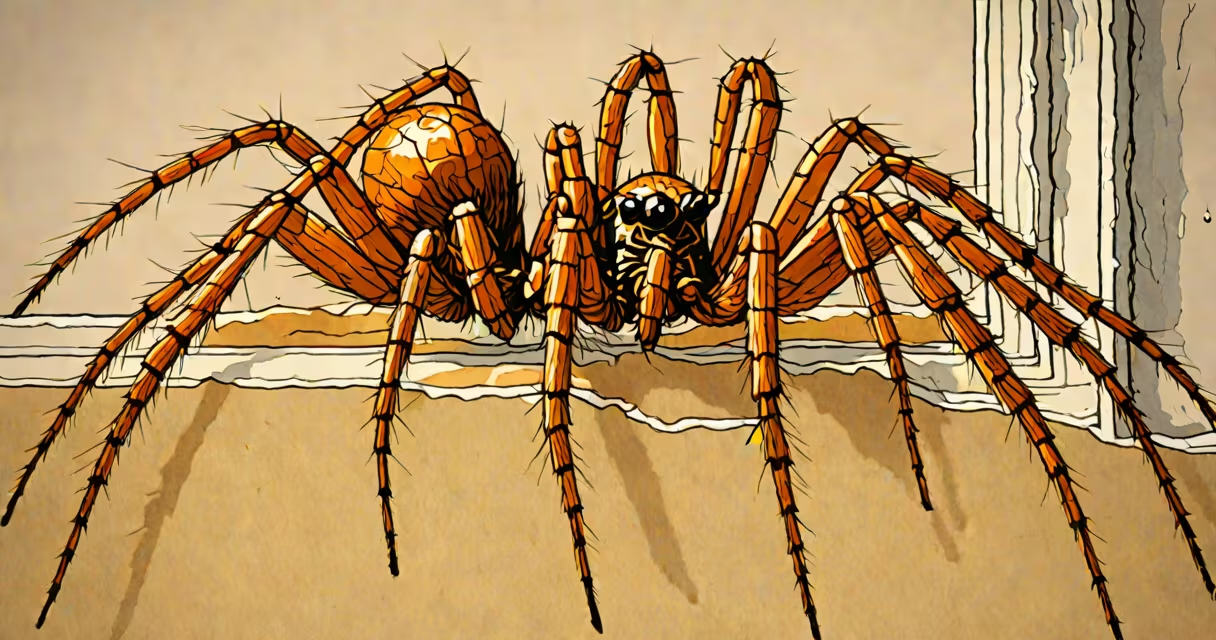
You keep getting spider bites because spiders are living in your home or yard, drawn by shelter, food, or moisture. These bites often happen at night while you're sleeping, especially if spiders hide in bedding, walls, or cluttered areas.
Most people who report repeated bites aren't being attacked-they're encountering spiders that have moved into their environment. The bites themselves are usually mild, but frequent occurrences suggest a persistent presence of spiders indoors or near entry points.
According to the American Academy of Dermatology, nearly 90% of reported spider bites in the U.S. are misdiagnosed. Many skin lesions attributed to spiders are actually caused by bacteria, viruses, or other insects. Still, actual spider bites-especially from species like the brown recluse or black widow-can cause serious reactions.
Spiders don't seek humans to bite. They're nocturnal hunters that avoid contact. A bite occurs only when a spider feels trapped or threatened-like when someone rolls over in bed and accidentally presses against a hiding spider.
Most bites happen during sleep. A study published in the Journal of Medical Entomology found that 68% of confirmed spider bites occurred between midnight and 6 a.m., typically on exposed skin like hands, feet, or legs.
Spiders detect movement and vibrations through their legs. If you move suddenly while lying still, a spider may react defensively. This explains why bites often feel sudden, sharp, and localized-like a pinprick or small sting.
The most likely spiders causing repeated bites in homes are:
| Species | Typical Habitat | Bite Risk | Medical Concern |
|---|---|---|---|
| Brown recluse | Dark, dry spaces: under furniture, in closets, behind baseboards | High (if encountered) | Yes - necrotic venom can cause tissue damage |
| Black widow | Garages, woodpiles, outdoor sheds | Low (but dangerous if bitten) | Yes - neurotoxic venom causes muscle pain and cramping |
| House spider (common cellar or cobweb spider) | Basements, attics, corners with low light | Very low | No - bites are harmless, though painful |
These species thrive in undisturbed areas. Brown recluses prefer temperatures between 70°F and 85°F and humidity below 50%, making basements and storage rooms ideal. Black widows favor dark, secluded spots like garden tools or stacked firewood.
A 2022 study by the University of California's Integrated Pest Management program found that homes with cluttered storage areas had 3.4 times higher spider detection rates than organized ones. Clutter provides hiding places and increases the chance of accidental contact.
Many people assume red, swollen, itchy marks are spider bites-but they're often caused by other pests or conditions. Bed bugs, fleas, and mosquitoes leave similar rashes. So do allergic reactions, fungal infections, or even insect stings.
True spider bites are rare. The CDC estimates fewer than 100 brown recluse bites occur annually in the U.S., mostly in the Midwest and South. Most cases involve a single bite, not recurring incidents.
One key difference: spider bites usually appear as a single puncture mark surrounded by mild swelling. They rarely form clusters. Bed bug bites, by contrast, often appear in lines or groups of three-"breakfast, lunch, and dinner" patterns.
I once tracked down a recurring bite pattern in a client's bedroom. After inspecting the area, we found a brown recluse hiding inside a loose electrical outlet cover. The person had been sleeping near the outlet for months. Removing the spider and sealing the gap stopped the bites entirely.
Eliminate access points. Seal cracks around windows, doors, and utility lines. Use weatherstripping and door sweeps. Spiders enter through gaps as small as 1/8 inch.
Reduce clutter. Remove stacks of paper, cardboard boxes, and unused clothing from floors and corners. Vacuum regularly-spiders lay eggs in dust and debris. A 2021 study showed vacuuming twice weekly reduced indoor spider populations by 62% over six weeks.
Use sticky traps in corners and along baseboards. Monitor them weekly. If you catch multiple spiders in one trap, focus on eliminating the source. If you see only one or two, it may be a lone wanderer.
Don't rely on sprays. Insecticides can kill surface spiders but don't address nesting sites. They also pose health risks, especially in homes with children or pets. The EPA warns against indoor pesticide use unless applied by licensed professionals.
If you suspect a brown recluse or black widow, do not handle the spider. Capture it safely using a jar and lid, then take it to a local extension office or university entomology department for identification. Misidentification leads to unnecessary fear and ineffective treatment.
Seek care if a bite site develops blistering, pus, spreading redness, or severe pain. These signs indicate infection or venom reaction. The American College of Emergency Physicians recommends evaluation within 24 hours for suspected black widow or brown recluse bites.
Antibiotics are rarely needed for spider bites. Most resolve in 3-5 days with rest and cold compresses. Over-the-counter antihistamines reduce itching. Avoid scratching-this increases infection risk.
If you continue experiencing bites despite cleaning and sealing, consider a professional inspection. Some infestations require targeted treatments like desiccant dusts or heat-based systems. The National Pest Management Association reports that 87% of recurring spider issues were resolved after a technician identified hidden nests.
Recurring spider bites are not normal. They signal environmental conditions favorable to spiders. Addressing the root cause-clutter, access points, moisture-stops the cycle. You don't need to fear spiders. You do need to understand where they live and how to keep them out.
Understanding why you keep getting spider bites begins with recognizing that spiders aren't aggressive. They're avoiding you. When you find them, it means you've invited them in. Fix the invitation. Stop the bites.