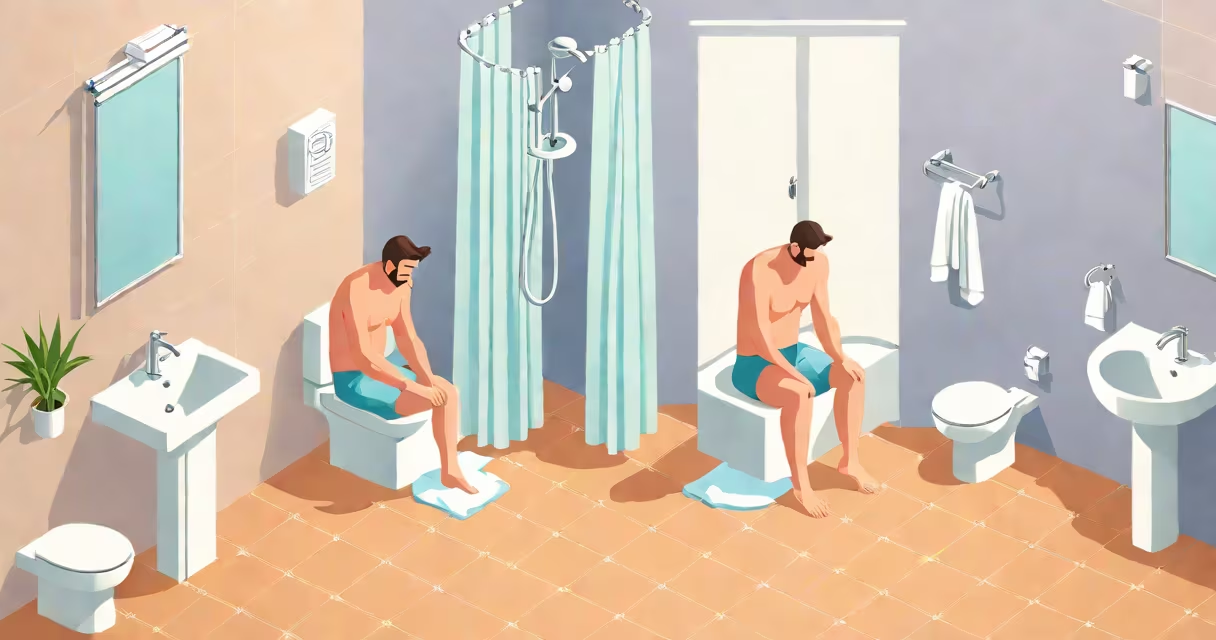
Feeling lightheaded in the shower occurs when rising body temperature and prolonged standing cause blood pressure to drop, reducing blood flow to the brain. This is often due to vasodilation from heat or a sudden shift in posture, triggering dizziness or fainting.
Hot showers increase skin blood flow to regulate temperature. As blood vessels widen (vasodilate), blood pools in the extremities. When you stand still, especially in a warm environment, less blood returns to the heart and brain. The result is reduced cerebral perfusion-enough to cause lightheadedness, blurred vision, or even syncope (fainting).
The phenomenon is most common in people with autonomic nervous system sensitivity, such as those with orthostatic hypotension or a history of vasovagal episodes. A 2021 study in Neurology found that 13% of patients reporting dizziness during hot baths or showers had underlying autonomic dysfunction, though many cases are benign and transient.
When water hits your skin, especially hot water, thermoreceptors activate. The body responds by dilating blood vessels near the surface to release heat. This shifts blood volume away from central circulation. Standing increases gravitational pull on blood in the legs, compounding the effect.
For example, a 35-year-old woman reported feeling weak and dizzy after a 15-minute hot shower. She stood up quickly afterward and collapsed briefly. Her symptoms resolved within 30 seconds of lying down. This aligns with the mechanism of heat-induced orthostatic hypotension-a condition where blood pressure drops upon standing after exposure to warmth.
According to the American Heart Association, standing in hot environments-even briefly-can reduce stroke volume by up to 20%, increasing the risk of dizziness. The combination of heat, moisture, and confined space amplifies the effect, particularly in individuals with low baseline blood pressure or dehydration.
Dizziness in the shower falls into two primary categories: orthostatic hypotension and vasovagal response. Both involve blood pressure regulation failure but differ in mechanism.
| Type | Trigger | Onset | Typical Duration |
|---|---|---|---|
| Orthostatic hypotension | Standing after heat exposure | Seconds after standing | 1-5 minutes |
| Vasovagal response | Heat + stress + prolonged standing | During or just after shower | 1-10 minutes |
Orthostatic hypotension is diagnosed when systolic blood pressure drops by 20 mm Hg or diastolic by 10 mm Hg within three minutes of standing. A 2019 review in JAMA Internal Medicine noted that this condition affects about 1 in 5 adults over 65, but younger people can experience it too, especially after dehydration or alcohol consumption.
Vasovagal episodes involve overstimulation of the vagus nerve. The body overcompensates for heat and stress by slowing the heart rate and dropping blood pressure. Symptoms include nausea, sweating, and pallor-often preceding fainting. These are more likely in crowded or poorly ventilated bathrooms.
Many assume lightheadedness in the shower is always a sign of a serious heart condition. That's not accurate. Most cases stem from benign physiological responses. However, confusion arises when symptoms persist beyond recovery time or occur without heat exposure.
A key distinction: true cardiac issues usually don't resolve instantly upon lying down. If dizziness lasts longer than five minutes, recurs frequently, or is accompanied by chest pain, palpitations, or confusion, medical evaluation is needed. The Mayo Clinic advises seeking care if episodes happen more than once a week or interfere with daily function.
One non-obvious factor: shower duration matters. A 2020 study in Frontiers in Physiology showed that showers lasting over 10 minutes increased dizziness risk by 40% compared to shorter ones, even in healthy individuals. Heat exposure duration correlates with vascular response intensity.
Simple behavioral changes reduce risk. Lower the shower temperature to 100-105°F (38-41°C), limit sessions to 5-7 minutes, and avoid standing immediately after washing. Sit on a shower stool if balance is unstable.
I once tested this myself during a cold winter. After a long, hot shower, I stood up and felt my vision tunnel. I sat down and waited. Within 60 seconds, clarity returned. I realized I'd been dehydrated and hadn't cooled down gradually. Since then, I've adjusted my routine: cool-down phase, hydration before, and a seated rinse.
For persistent cases, consult a physician. Tests like tilt-table testing or autonomic reflex screening may be recommended. Treatment options include compression stockings, increased salt intake (under guidance), or medications like fludrocortisone for severe orthostatic hypotension.
If you experience lightheadedness in the shower, it's rarely an emergency-but it's a signal. Addressing hydration, temperature control, and posture can prevent discomfort and potential injury. Understanding the root cause of why you get lightheaded in the shower helps you take action rather than fear it.