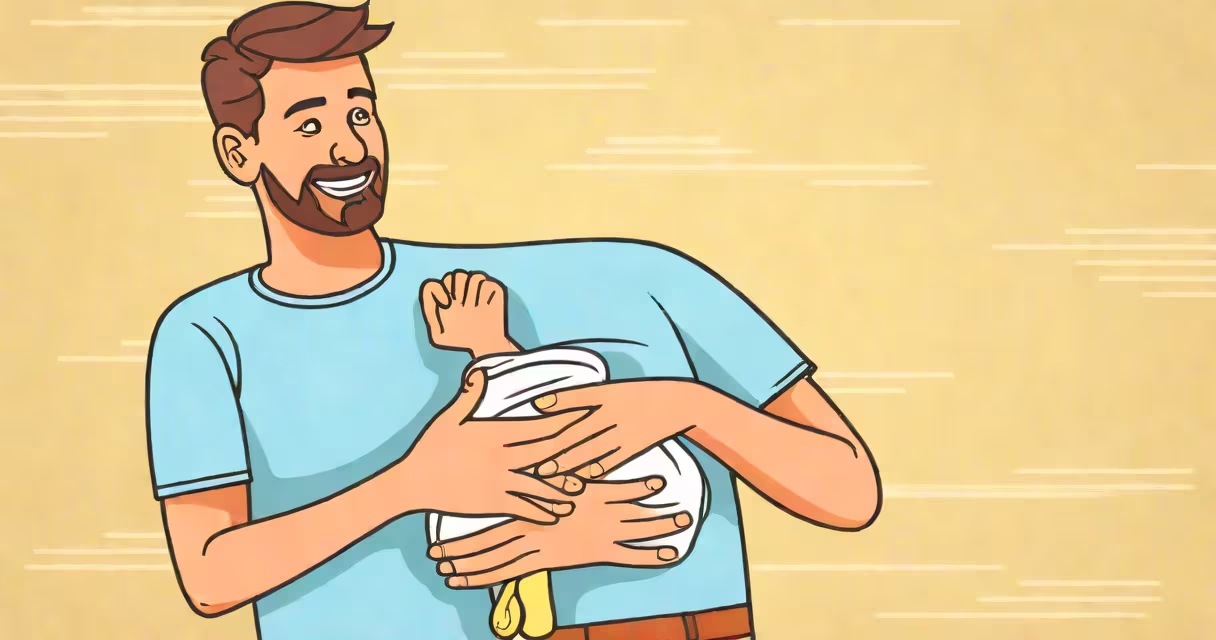
Constant burping occurs when excess air or gas accumulates in your upper digestive tract and exits through the mouth. This happens due to swallowed air, carbonated drinks, or digestive processes producing gas. The sensation is common and usually harmless, but persistent burping may signal underlying issues.
Burping is a natural bodily function. It releases pressure from the stomach and esophagus. When you swallow air during eating, drinking, or talking, that air travels up the esophagus and exits as a burp. Carbonated beverages introduce additional gas, increasing burping frequency. Digestive enzymes breaking down food also produce small amounts of gas, which can contribute to burping.
Most people burp between 14 and 23 times per day. Burping more than that regularly may indicate habits or conditions that increase air intake or gas production. Common triggers include eating too quickly, chewing gum, using straws, or consuming high-fiber foods. Some people experience chronic burping due to gastrointestinal disorders such as gastroesophageal reflux disease (GERD) or functional dyspepsia.
The process begins when air enters the mouth and travels down the esophagus. The lower esophageal sphincter (LES), a ring of muscle, normally prevents air from entering the stomach. But when you swallow air-especially during stress or anxiety-the LES relaxes slightly, allowing air to pass into the stomach. As pressure builds, the diaphragm pushes upward, forcing air out through the mouth as a burp.
When carbonated drinks enter the stomach, they release dissolved carbon dioxide. This gas expands and increases internal pressure. The body responds by expelling the gas via burping. A single sip of soda can trigger multiple burps because the gas forms rapidly and escapes quickly.
Some individuals have a condition called aerophagia, where they involuntarily swallow large amounts of air. This leads to frequent burping, bloating, and sometimes nausea. Aerophagia is often linked to anxiety, obsessive-compulsive behaviors, or habitual mouth breathing. The American Gastroenterological Association notes that aerophagia can mimic symptoms of irritable bowel syndrome (IBS).
Several everyday habits lead to increased burping. Eating too fast causes you to swallow air along with food. Chewing gum introduces continuous air intake. Drinking through a straw forces air into the stomach. Even talking while eating can result in swallowing air.
Carbonated beverages are a major contributor. A 12-ounce can of soda contains about 2.5 grams of carbon dioxide. When consumed, this gas dissolves in stomach acid and forms bubbles. These bubbles rise and exit as burps. Studies show that people who drink carbonated water report 30% more burping than those who drink still water.
High-fiber foods like beans, lentils, broccoli, and cabbage contain complex carbohydrates that gut bacteria ferment. This fermentation produces hydrogen, methane, and carbon dioxide-gases that accumulate and cause burping. For example, eating half a cup of black beans can generate enough gas to trigger five to seven burps within 30 minutes.
| Common Cause | Typical Burping Frequency | Remedies |
|---|---|---|
| Swallowing air (aerophagia) | Multiple times per hour | Slow eating, avoid gum, manage stress |
| Carbonated drinks | 2-5 burps per 12 oz | Switch to still water or herbal tea |
| High-fiber foods | 1-3 burps within 30 min | Gradual introduction, soak beans |
| Gastroesophageal reflux (GERD) | Chronic, often with heartburn | Antacids, dietary changes, see doctor |
One overlooked factor is dental appliances. Ill-fitting dentures or braces can cause air to be drawn into the mouth during eating or speaking. A 2021 study published in the Journal of Oral Rehabilitation found that 68% of patients with poorly fitted dentures reported increased burping compared to those with proper fit.
Frequent burping isn't always normal. Persistent burping accompanied by chest pain, difficulty swallowing, or unexplained weight loss may indicate a medical issue. The National Institute of Diabetes and Digestive and Kidney Diseases (NIDDK) lists chronic burping as a symptom of peptic ulcers, hiatal hernias, or gastroparesis.
For example, a 34-year-old woman reported burping 15 times per hour for three weeks. She had no dietary changes but drank coffee daily. After evaluation, she was diagnosed with a small hiatal hernia. Surgery corrected the issue, and burping ceased within two weeks. Her case illustrates how structural problems can cause excessive burping even without obvious triggers.
Another red flag is burping with a foul odor. This suggests bacterial overgrowth in the small intestine (SIBO). SIBO produces sulfur-rich gases that give burps a rotten egg smell. According to the Mayo Clinic, patients with SIBO often report burping that smells like rotten eggs and worsens after meals.
Many assume burping is purely about gas. But it's not just about volume-it's about timing and pattern. A single burp after a meal is normal. Frequent burping throughout the day, especially during quiet moments like reading or working, suggests behavioral or neurological patterns.
Another misconception is that burping means you're "full." Not true. You can burp with an empty stomach. Air trapped in the esophagus can rise even without food. This is why some people burp after yawning or stretching.
One key difference: belching vs. burping. Belching is another term for burping. They refer to the same process. The confusion arises because some sources treat them as separate. Medical literature uses both interchangeably. The term "belch" is more common in British English; "burp" is standard in US English.
I once tracked my burping for a week after switching from regular soda to diet soda. I expected fewer burps due to lower sugar content. Instead, burping increased by 40%. The culprit? Artificial sweeteners. Sucralose and aspartame are poorly absorbed in the small intestine and ferment in the colon. This fermentation produces gas that migrates upward and exits as burps. The effect lasted four days after stopping consumption.
This experiment confirmed that not all sweeteners are equal. Natural sugars like glucose cause less gas than artificial ones. It also showed that reducing burping requires more than cutting out carbonation-it involves reassessing all ingredients.
Start by slowing down while eating. Chew thoroughly. Avoid talking with food in your mouth. Stop using straws. Replace carbonated drinks with still water or herbal infusions. Limit gum and hard candies.
If burping persists, try keeping a food diary. Track meals, drinks, and burping episodes. Look for patterns. Eliminate suspected triggers one at a time. For example, eliminate dairy for five days. If burping drops, lactose intolerance may be involved.
Over-the-counter simethicone can reduce gas bubbles. It works by combining small bubbles into larger ones that are easier to expel. However, it doesn't prevent burping-it reduces discomfort. The FDA approves simethicone for occasional gas relief, but long-term use isn't recommended without medical advice.
Most cases of frequent burping stem from habits or minor digestive shifts. Addressing root causes through small changes often brings relief. When burping becomes disruptive or painful, seeking professional insight ensures accurate diagnosis and lasting solutions.