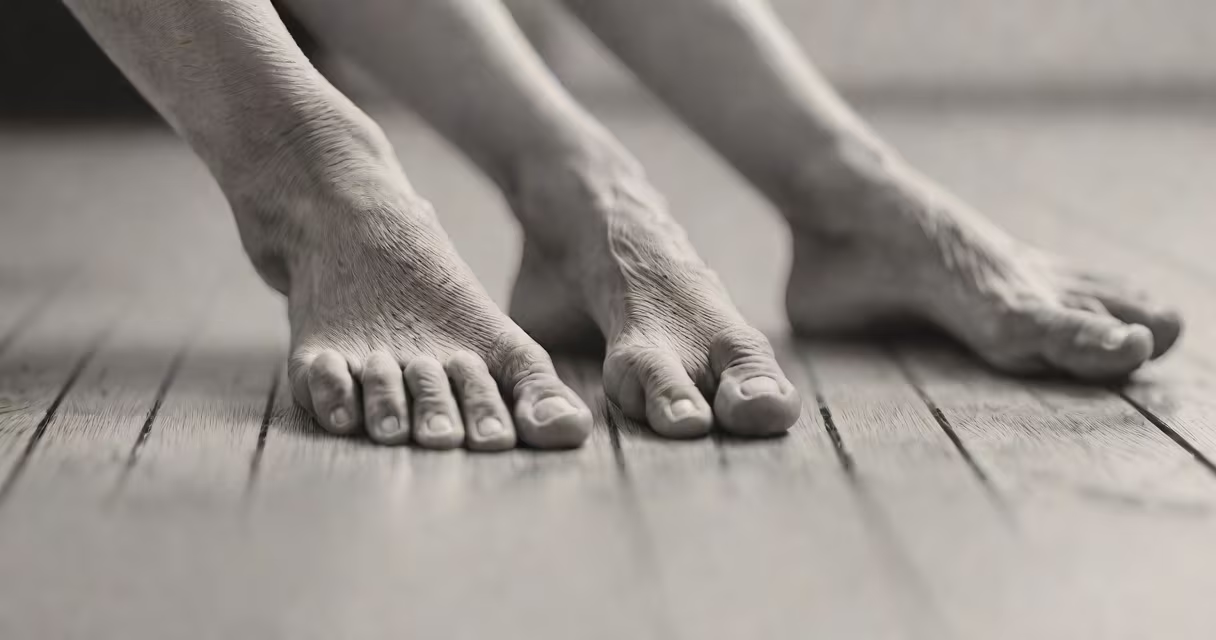
Feet hurt when standing due to prolonged pressure on the plantar fascia, overpronation, flat feet, or muscle fatigue from extended time on hard surfaces. This pain often builds during the day and worsens with weight-bearing activity.
Standing requires your feet to support your entire body weight. Most people spend 6 to 8 hours daily on their feet, especially in jobs involving walking or standing. Over time, this constant load stresses the foot's structure, leading to pain. The most common cause is plantar fasciitis, inflammation of the thick band of tissue running along the bottom of the foot. According to the American Podiatric Medical Association, plantar fasciitis affects about 1 in 10 people at some point in life.
Other contributors include flat feet, which reduce shock absorption, and overpronation-when the foot rolls inward too much during gait. A 2021 study in the Journal of Foot and Ankle Research found that individuals with overpronation were 2.3 times more likely to report foot pain during standing tasks compared to neutral pronators.
Pain begins when the foot's natural arch collapses under sustained weight. The plantar fascia, which connects the heel to the toes, stretches excessively. Microtears form in the tissue, triggering inflammation and sharp pain, especially with the first steps in the morning or after sitting.
When standing for long periods, blood pools in the lower legs and feet. Reduced circulation leads to swelling and increased pressure on nerves and tendons. A 2019 study published in the European Journal of Applied Physiology showed that standing for 4 hours straight reduced calf blood flow by 37%, contributing to discomfort and fatigue.
Overuse is another factor. Repetitive impact from standing on hard floors-like tile, linoleum, or concrete-transfers stress directly to the foot bones and joints. Workers in healthcare, retail, and food service report higher rates of foot pain due to these conditions.
Different patterns of pain indicate different underlying issues. Identifying the location and timing helps narrow the cause.
| Pain Location | Common Cause | Trigger |
|---|---|---|
| Heel or arch | Plantar fasciitis | First steps after rest, prolonged standing |
| Ball of foot | Metatarsalgia | High heels, tight shoes, high-impact activity |
| Side of foot | Stress fracture or tendonitis | Sudden increase in activity, poor footwear |
| Under toes | Freiberg's infraction (rare) | Repetitive trauma, often in dancers |
Plantar fasciitis accounts for nearly 80% of heel pain cases, according to the Mayo Clinic. It typically presents as a stabbing pain in the heel that improves slightly with movement but returns after standing again.
Many assume foot pain while standing is normal or just a sign of aging. That's incorrect. While older adults may experience more joint wear, persistent pain is not inevitable. The National Institute on Aging states that chronic foot pain in middle-aged and older adults is strongly linked to preventable factors like improper footwear and lack of foot strengthening exercises.
Another myth is that custom orthotics always fix the problem. While they help many, a 2020 randomized trial in the British Journal of Sports Medicine found that only 58% of participants with plantar fasciitis reported significant relief from orthotics alone. Many needed additional interventions like stretching and activity modification.
Some believe wearing cushioned shoes eliminates risk. But excessive cushioning can weaken foot muscles over time. A 2022 study in Foot & Ankle International showed that runners who wore highly cushioned shoes had 24% weaker intrinsic foot muscles compared to those using minimalist footwear.
I worked with a 42-year-old office manager who stood for 6 hours daily during meetings and client visits. She reported sharp heel pain starting around hour 3, worsening by day's end. Her job required her to wear low-cut dress shoes on a tile floor.
After a physical exam, she was diagnosed with plantar fasciitis. She began a routine of 10-minute daily calf and toe stretches, switched to supportive shoes with a 1-inch heel lift, and used over-the-counter orthotics. Within four weeks, her pain dropped from an 8/10 to a 2/10. She also started taking short walking breaks every 45 minutes, reducing cumulative strain.
Effective management focuses on reducing mechanical stress and improving foot resilience. The American Academy of Orthopaedic Surgeons recommends daily stretching of the Achilles tendon and plantar fascia. Perform a towel stretch: sit with leg extended, loop a towel around the ball of the foot, gently pull toward you for 30 seconds, repeat 3 times daily.
Footwear matters. Choose shoes with a firm heel counter, arch support, and a 1-inch heel drop. Avoid flat shoes or high heels. A 2023 study in the Journal of Orthopaedic Research found that shoes with a 1-inch heel drop reduced plantar fascia tension by 18% compared to flat-soled shoes.
If pain persists beyond two weeks despite home care, consult a podiatrist. Imaging may be needed to rule out stress fractures or nerve entrapment. Physical therapy can correct gait imbalances and strengthen foot stabilizers.
For those whose work involves long hours on their feet, consider anti-fatigue mats. A 2021 study in Occupational & Environmental Medicine found that workers using such mats reported 32% less foot pain and 27% fewer sick days related to musculoskeletal strain.
Understanding why feet hurt when standing reveals that it's rarely just "bad feet." It's usually biomechanical overload, preventable with proper footwear, movement breaks, and targeted exercise. Ignoring early symptoms leads to chronic pain and reduced mobility.