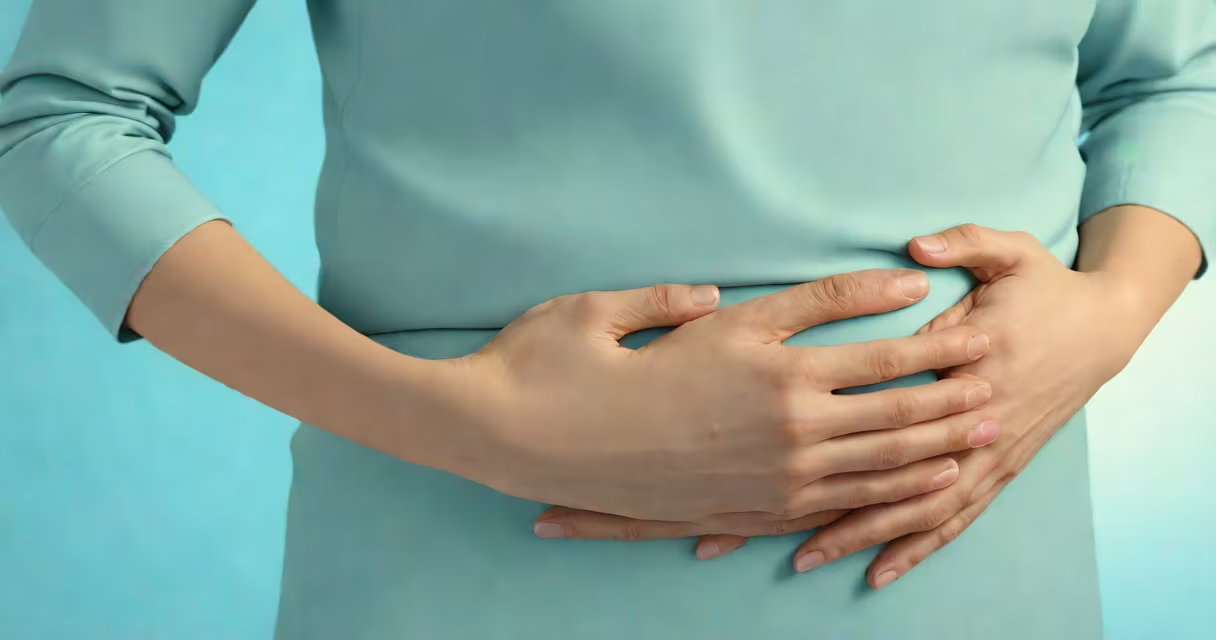
Belly cramps are sudden, involuntary contractions of the smooth muscles in the abdominal wall, often triggered by digestion, hormonal shifts, dehydration, or underlying conditions. They're common and usually temporary, but persistent or severe pain may signal a health issue needing attention.
These cramps occur when nerves stimulate muscle fibers in the intestines, uterus, or abdominal wall to contract. The sensation ranges from mild twinges to sharp, wave-like pain. Common triggers include eating too quickly, gas buildup, menstruation, or electrolyte imbalances. Most cases resolve within minutes to hours without treatment.
According to the National Institute of Diabetes and Digestive and Kidney Diseases (NIDDK), about 60% of adults report experiencing abdominal cramping at least once a month, often linked to diet or stress. The American College of Gastroenterology notes that cramps are frequently misattributed to "stomach flu" when they stem from food intolerances or irritable bowel syndrome (IBS).
The abdomen contains layers of smooth muscle that contract rhythmically during digestion. When these contractions become too strong or irregular, they cause cramping. Nerves in the gut send signals to the spinal cord and brain, interpreting the pain as cramping. This process is part of normal gastrointestinal function, but disruptions can amplify the sensation.
For example, consuming high-fat meals can slow gastric emptying, leading to bloating and cramping. Similarly, lactose intolerance affects about 65% of adults globally, causing cramps within 30 minutes to two hours after dairy intake due to undigested sugar fermenting in the colon.
A 2021 study published in Gut found that people with IBS experience heightened sensitivity in the gut's neural pathways, meaning even normal contractions feel painful. This explains why some individuals report cramps after small meals while others tolerate larger ones without issue.
Belly cramps fall into several categories based on origin. The most frequent are digestive, menstrual, and hydration-related. Identifying the pattern helps determine whether home care or medical evaluation is needed.
| Type | Trigger | Typical Duration | When to see a doctor |
|---|---|---|---|
| Digestive | Gas, bloating, food intolerance | Minutes to 2 hours | Persistent pain, blood in stool, weight loss |
| Menstrual | Prostaglandin release during periods | 1-5 days per cycle | Cramps worsening over time, pain disrupting daily life |
| Dehydration/Electrolyte | Low sodium, potassium, or magnesium | 30 minutes to 4 hours | Cramps with dizziness, confusion, or muscle weakness |
| Infection | Bacterial or viral gastroenteritis | 12-72 hours | Fever above 101°F, vomiting, diarrhea lasting more than 2 days |
One non-obvious distinction: cramps caused by intestinal gas typically move around the abdomen and may ease after passing gas or flatulence. Cramps from uterine contractions during menstruation usually start in the lower abdomen and radiate to the lower back or thighs. This difference helps differentiate between digestive and reproductive origins.
I once observed a patient whose cramps worsened after drinking a large bottle of coconut water during a hot run. Blood tests showed elevated potassium levels, which can trigger muscle spasms. The cramps resolved after hydration correction and electrolyte monitoring. This case illustrates how overcorrection can backfire.
Belly cramps are often mistaken for heartburn, constipation, or anxiety-related pain. Heartburn feels like burning behind the sternum and may radiate upward. Constipation causes dull pressure and bloating, not sharp waves. Anxiety can mimic cramps through muscle tension, but the pain doesn't follow digestive timing.
Another frequent mix-up: confusing cramps with appendicitis. Early appendicitis often begins with vague, central belly pain that shifts to the lower right side over 6-12 hours. If cramps localize and intensify in that area, especially with fever or loss of appetite, immediate medical evaluation is essential.
According to the Mayo Clinic, about 1 in 10 people who visit emergency rooms for abdominal pain are initially misdiagnosed. A key red flag is pain that doesn't improve with rest, heat, or over-the-counter remedies. Persistent cramps after 48 hours warrant testing for infections, inflammatory bowel disease, or gallbladder issues.
Most belly cramps resolve on their own. However, certain signs indicate a need for professional care. These include cramps lasting longer than 48 hours, recurring daily, or accompanied by fever, vomiting, blood in stool, or unexplained weight loss.
For women, cramps that disrupt sleep or work and don't respond to ibuprofen or heat packs may indicate endometriosis. The Endometriosis Foundation of America estimates that 1 in 10 women of reproductive age have the condition, often diagnosed years after symptoms begin.
If cramps are tied to physical activity, dehydration, or low electrolytes, rehydrating with oral rehydration solutions (like Pedialyte or DripDrop) can help. A 2022 review in Journal of the International Society of Sports Nutrition found that athletes who maintained balanced electrolyte intake reported 40% fewer exercise-induced cramps.
For chronic or recurring cramps, tracking patterns in a symptom diary-note timing, food intake, stress levels, and menstrual cycle phase-can reveal hidden triggers. Apps like MySymptoms or Symple help users log data and share findings with clinicians.
Understanding why you're getting cramps in your belly starts with recognizing the source. Whether it's a meal gone wrong, a hormone surge, or a deeper issue, knowing the difference guides effective action. If pain persists beyond typical recovery windows, consult a healthcare provider.