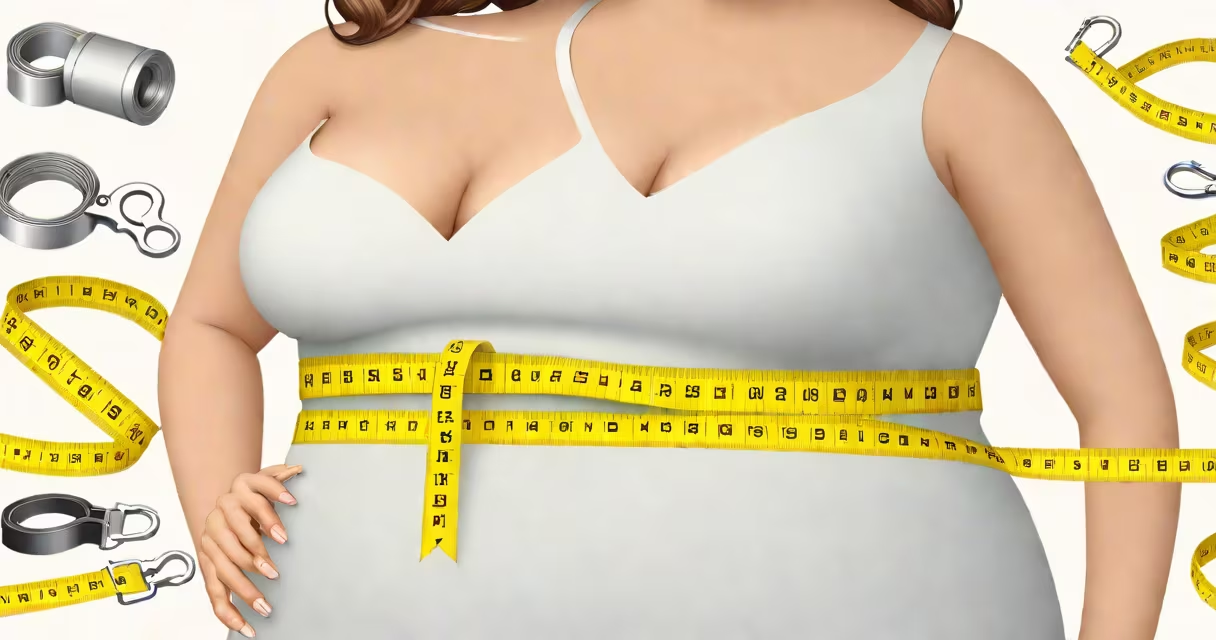
To make or buy a well-fitting dress, you need five core body measurements: bust, waist, hips, shoulder-to-waist length, and dress length. These values ensure the garment fits your body shape accurately, ordering online.
These measurements are not estimates. A 1-inch difference in bust or waist can result in a dress that feels tight or hangs awkwardly. The most accurate way to get them is using a flexible tailor's tape measure, taken while standing straight and relaxed.
For example, a person with a 36-inch bust, 28-inch waist, and 38-inch hips needs those numbers to choose the correct size or draft a pattern. Without them, even a high-quality dress may not fit properly.
Dress patterns and sizing charts rely on precise body dimensions. A standard US size 8 typically corresponds to a 36-inch bust, 28-inch waist, and 39-inch hips. But body shapes vary-some people have wider hips relative to their bust, others have a more balanced silhouette. That's why relying solely on size labels fails.
When sewing, you use the bust measurement to set the width of the front and back panels. The waist measurement determines the placement and depth of darts. The hip measurement controls the flare of the skirt portion. If any of these don't match your actual body, the dress won't hang correctly.
For instance, a dress pattern sized for a 36-inch bust will not accommodate someone with a 38-inch bust unless adjusted. Skipping the measurement step leads to fitting issues like gaping shoulders or tight waistlines.
Use a soft measuring tape and stand upright with feet together. Keep the tape level and snug-not tight-for accuracy.
| Measurement | How to Take It | Typical Range (US Size 6-8) |
|---|---|---|
| Bust | Measure around the fullest part of the chest, keeping tape parallel to the floor. | 34-38 inches |
| Waist | Measure at the narrowest natural point, usually just above the navel. | 26-29 inches |
| Hips | Measure around the fullest part of the buttocks, about 7-8 inches below the waist. | 35-39 inches |
| Shoulder-to-Waist | From the center of the neck (back of the neck base) to the natural waistline. | 14-16 inches |
| Dress Length | From the shoulder point to desired hemline (e.g., knee-length, floor-length). | 30-40 inches (varies by style) |
Always take measurements twice. Record them in inches, not centimeters, unless working with metric-based patterns. Some online tools convert between systems, but inputting the wrong unit causes errors.
A common mistake is measuring the bust while wearing a bra. Bras compress tissue and alter the true circumference. Measure without a bra, or wear a thin, non-padded one to avoid distortion.
People often think "size" equals "fit." A size 8 dress doesn't guarantee a good fit because brands vary. One brand's size 8 has a 36-inch bust; another's is 38 inches. Without checking actual measurements, you risk receiving a dress that's too small or too large.
Another confusion: assuming hip and waist measurements are interchangeable. A person with a 34-inch waist and 38-inch hips needs both values. A dress cut for a 34-inch hip will be too tight at the hips if worn by someone with larger hips.
Some assume measuring at the waist is enough. But the natural waist is not always at the same spot. It shifts slightly depending on posture and body fat distribution. Always find the narrowest point, not the visible one.
I once made a dress for a friend who wanted a fitted sheath style. She provided her measurements: bust 36 inches, waist 27 inches, hips 37 inches, shoulder-to-waist 15 inches, and desired length 36 inches. I used a commercial pattern labeled size 8.
The pattern's size 8 bust was 36 inches-perfect. Waist was 28 inches-just 1 inch smaller than hers. I reduced the side seams by 0.5 inches and added a dart to shape the waist. Hip allowance was 39 inches-2 inches larger than her hips, so the skirt flared gently.
After sewing, the dress fit perfectly. Without the measurements, I'd have guessed wrong. A size 8 pattern would've been too loose at the waist and tight at the hips.
Even minor adjustments require accurate inputs. A 0.25-inch error in shoulder-to-waist length can cause the neckline to sit too low or pull at the neck.
Understanding what measurements you need for a dress prevents wasted time and money. Over 60% of online dress returns are due to poor fit, according to a 2022 report by the National Retail Federation. Many of those could be avoided with proper measurement checks.
Measuring isn't just for custom garments. It's essential when comparing sizes across brands. A size 6 in one label may differ from a size 6 in another. Always check the size chart and compare it to your body measurements.
Finally, remember: your body changes. Weight gain, pregnancy, or aging affect measurements. Re-measure before buying or making a new dress. A single session of measuring takes less than five minutes but prevents hours of frustration later.
Knowing what measurements you need for a dress ensures accuracy, comfort, and confidence. Use the five key measurements-bust, waist, hips, shoulder-to-waist, and length-to create or select a dress that fits your body, not a label.