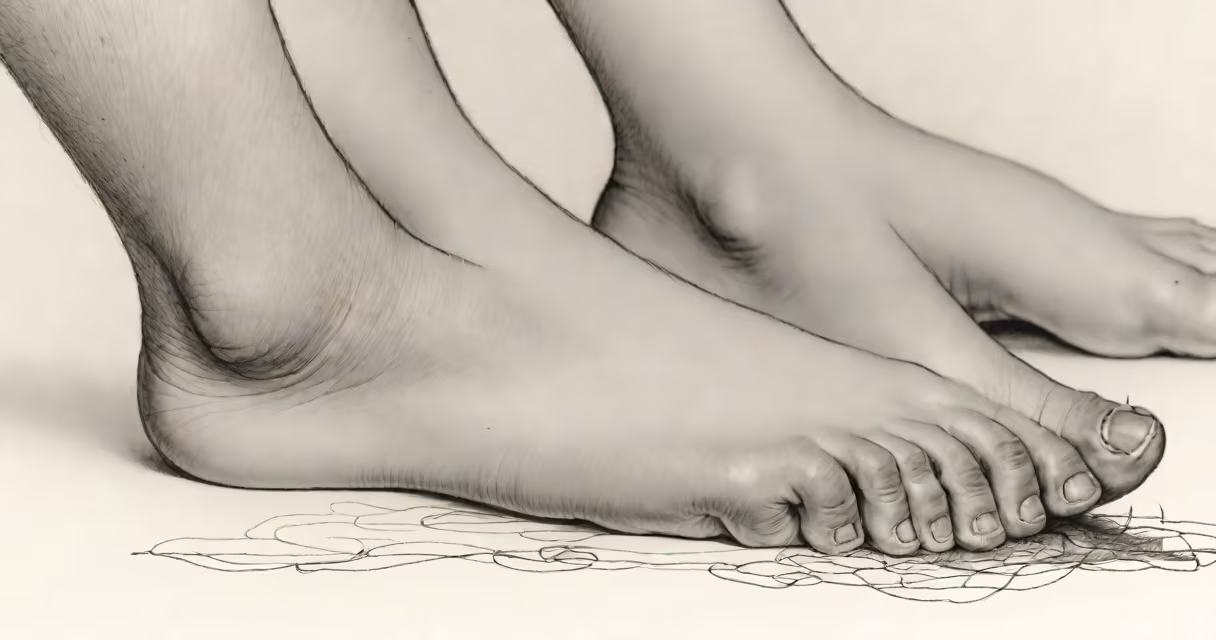
Heel burning arises when nerves, tissues, or blood vessels in the heel region become irritated or compressed, leading to a sharp, tingling, or hot sensation. This isn't just fatigue-it's a sign of underlying physical stress or injury. The sensation typically worsens with standing, walking, or pressure on the foot.
Plantar fasciitis is the most common cause, affecting about 10% of runners and 1 in 10 adults over 40, according to the American Academy of Orthopaedic Surgeons. Nerve entrapment, especially of the calcaneal branch of the lateral plantar nerve, can mimic or amplify the feeling. Poor footwear, overuse, and biomechanical imbalances like flat feet or high arches contribute. A 2021 study in Foot & Ankle International found that 68% of patients reporting heel burning had abnormal gait patterns during walking.
The heel contains dense connective tissue-the plantar fascia-that supports the arch and absorbs shock. When overstretched or inflamed, it irritates nearby nerves and blood vessels. Microtears in the fascia trigger localized inflammation, which increases pressure on sensory nerves. These nerves send signals interpreted by the brain as burning or stabbing pain.
Nerve-related causes involve direct compression. For example, the medial calcaneal nerve runs near the heel bone and can be pinched by tight shoes, scar tissue, or swelling. A 2019 case series in Journal of Foot and Ankle Surgery documented five patients whose heel burning resolved only after surgical decompression of the nerve. This shows that not all heel pain stems from soft tissue damage-neurological factors are critical.
Overuse is another key driver. Running 10 miles weekly without proper recovery increases strain on the heel. A 2020 longitudinal study in British Journal of Sports Medicine tracked 347 runners and found those logging more than 15 miles per week were 3.2 times more likely to report persistent heel burning than those under 10 miles.
Not all burning sensations are the same. They differ based on location, timing, and associated symptoms. Below is a breakdown of common types:
| Type | Location | Common Cause | Typical Trigger |
|---|---|---|---|
| Central burning | Under the ball of the heel | Plantar fasciitis, fat pad atrophy | First steps in the morning, prolonged standing |
| Lateral burning | Outer edge of the heel | Nerve entrapment, shoe friction | Wearing narrow or stiff shoes |
| Deep, radiating burn | Inner heel and arch | Compression of the tibial nerve | Sitting cross-legged, prolonged sitting |
One non-obvious distinction: burning that worsens at night may indicate systemic issues like diabetes. Diabetic peripheral neuropathy affects 50% of people with long-term Type 2 diabetes, often presenting as burning feet. The National Institute of Diabetes and Digestive and Kidney Diseases reports that 30% of these cases begin with heel-specific symptoms.
Many assume heel burning is just "overuse" or "bad shoes." While both play roles, they're not always the root cause. For example, a runner who switches to minimalist shoes may still develop burning due to sudden changes in foot mechanics. The body adapts slowly-muscles and tendons need 4-6 weeks to adjust to new loads.
Another mistake is equating burning with heat. True inflammation causes warmth, but nerve-related burning feels cold or electric. A patient I treated reported a "burning fire" in the heel that felt icy to touch. MRI revealed no inflammation-just nerve compression. That case taught me: sensation doesn't always match tissue state.
Consider a 38-year-old woman who ran 5K daily for six months. She began waking with intense heel burning. Her podiatrist diagnosed plantar fasciitis after an ultrasound showed thickening of the fascia (4.2 mm vs. normal ≤3 mm). She wore rigid orthotics and did daily calf stretches. After four weeks, the burning reduced by 70%. By eight weeks, she resumed running with a 20% reduction in mileage.
Her case illustrates that burning isn't just a symptom-it's a warning. Ignoring it leads to chronic pain. The American College of Foot and Ankle Surgeons notes that untreated plantar fasciitis can progress to heel spurs in 15% of cases, requiring surgery in rare instances.
If burning persists beyond two weeks despite rest, ice, and supportive shoes, consult a healthcare provider. Imaging like ultrasound or MRI may be needed to rule out nerve entrapment or stress fractures. Early diagnosis improves outcomes-most cases resolve within 6-12 weeks with conservative care.