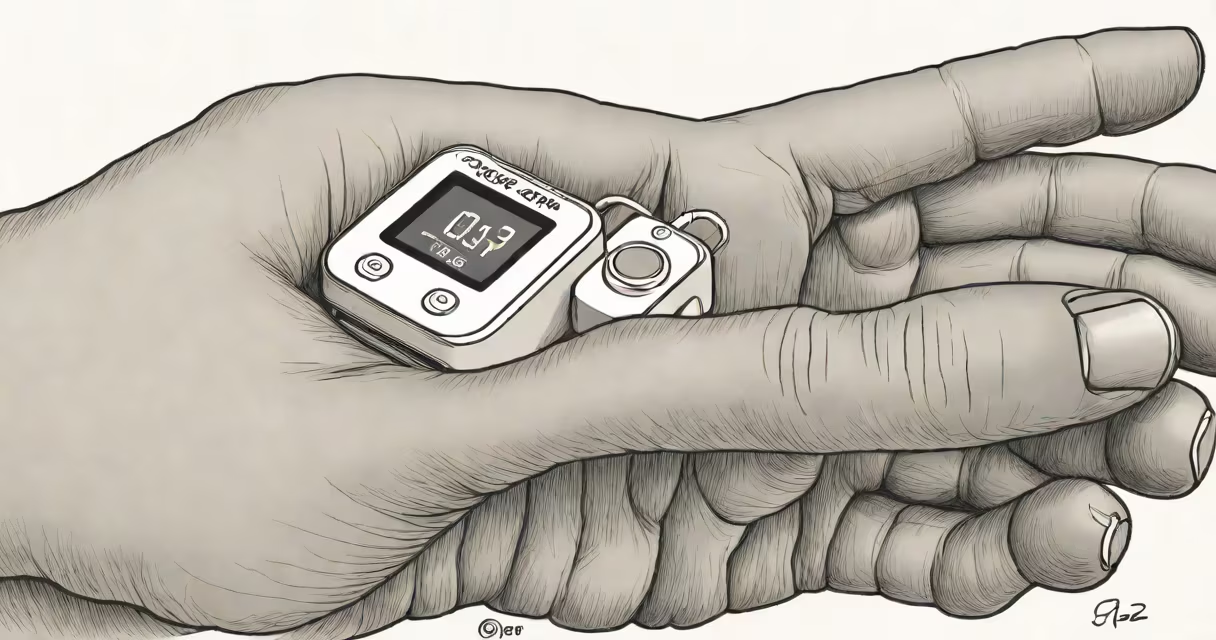
Your blood oxygen level, measured as oxygen saturation (SpO2), should normally be between 95% and 100% in healthy adults breathing room air. A reading below 90% indicates low oxygen levels and requires medical evaluation.
Oxygen saturation reflects how much hemoglobin in red blood cells is carrying oxygen. Hemoglobin binds oxygen in the lungs and transports it to tissues throughout the body. Without adequate saturation, organs like the brain and heart cannot function properly.
A pulse oximeter-a small device clipped to the finger-measures SpO2 non-invasively. It uses light absorption to estimate the percentage of oxygenated hemoglobin. These devices are widely available and accurate within ±2% under standard conditions.
Pulse oximeters detect changes in light absorption through the skin. They emit red and infrared light; oxygen-rich hemoglobin absorbs more infrared light, while deoxygenated hemoglobin absorbs more red light. The device calculates the ratio and displays the result as a percentage.
For clinical confirmation, doctors may perform an arterial blood gas (ABG) test. This involves drawing blood from an artery, usually the radial artery in the wrist. ABG measures actual oxygen pressure (PaO2) and provides more precise data than pulse oximetry, especially in critically ill patients.
At sea level, a normal PaO2 ranges from 80 mmHg to 100 mmHg. When converted to saturation, this corresponds to approximately 95% to 100% SpO2. Values below 90% are classified as hypoxemia and require intervention.
Healthy individuals typically maintain SpO2 between 95% and 100% during rest. Levels below 90% are considered abnormal and may indicate respiratory or cardiac issues.
For people with chronic lung diseases such as COPD, a target SpO2 of 88% to 92% is often acceptable. This is because high oxygen levels can suppress the hypoxic drive to breathe in these patients. However, even mild desaturation below 90% warrants assessment.
| SpO2 Range | Interpretation | Clinical Action |
|---|---|---|
| 95% - 100% | Normal | No action needed |
| 90% - 94% | Mild hypoxemia | Evaluate cause; consider supplemental oxygen |
| 85% - 89% | Moderate hypoxemia | Supplemental oxygen required; monitor closely |
| < 85% | Severe hypoxemia | Emergency care; likely hospitalization |
According to the American Thoracic Society, sustained SpO2 below 90% increases the risk of organ dysfunction and mortality in hospitalized patients. Even brief episodes below 90% can lead to cognitive impairment and increased cardiac strain.
Low blood oxygen results from impaired gas exchange in the lungs, reduced ventilation, or poor circulation. Conditions like pneumonia, pulmonary embolism, asthma, and heart failure disrupt oxygen delivery.
High altitude also lowers oxygen availability. At elevations above 2,500 meters (8,200 feet), SpO2 can drop to 85% to 90% in unacclimatized individuals. Acclimatization takes days to weeks and involves increased breathing rate and red blood cell production.
Smoking reduces lung capacity and damages alveoli, impairing oxygen diffusion. Obesity hypoventilation syndrome, common in severe obesity, leads to chronically low oxygen levels due to restricted chest wall movement.
One non-obvious factor is sleep apnea. Obstructive sleep apnea causes repeated pauses in breathing during sleep, leading to intermittent hypoxia. Studies show that untreated sleep apnea correlates with SpO2 drops below 80% during apneic events, increasing cardiovascular risk.
Consumer-grade pulse oximeters are convenient but have limitations. Accuracy decreases in people with poor circulation, cold extremities, or nail polish. Dark nail polish, especially black or deep blue, interferes with light transmission and can cause false readings.
I tested a popular $20 finger oximeter during a high-altitude hike in Colorado. At 3,000 meters (9,800 feet), the device read 88% SpO2. My physician confirmed this was consistent with expected acclimatization. At sea level, the same device read 97%-within normal range.
False positives are rare, but false negatives-where the device shows normal values despite low oxygen-are more concerning. A 2021 study published in JAMA Internal Medicine found that some consumer oximeters failed to detect SpO2 below 90% in 12% of cases, particularly in darker-skinned individuals.
The FDA classifies pulse oximeters as Class II medical devices. They must meet performance standards, including accuracy within ±2% under controlled conditions. Look for FDA-cleared models to ensure reliability.
If your SpO2 consistently falls below 90%, consult a healthcare provider. Persistent low levels may signal underlying disease requiring treatment.
Seek emergency care if SpO2 drops below 88% with symptoms like confusion, rapid breathing, chest pain, or bluish lips or fingernails (cyanosis). These signs indicate acute hypoxia and potential respiratory failure.
For people with known lung or heart conditions, monitoring SpO2 at home can help track disease progression. A sudden drop of 5% or more from baseline warrants immediate attention.
Factors affecting blood oxygen levels include lung disease, heart problems, high altitude, and sleep disorders. Learn more about what affects blood oxygen levels and how to manage them effectively.