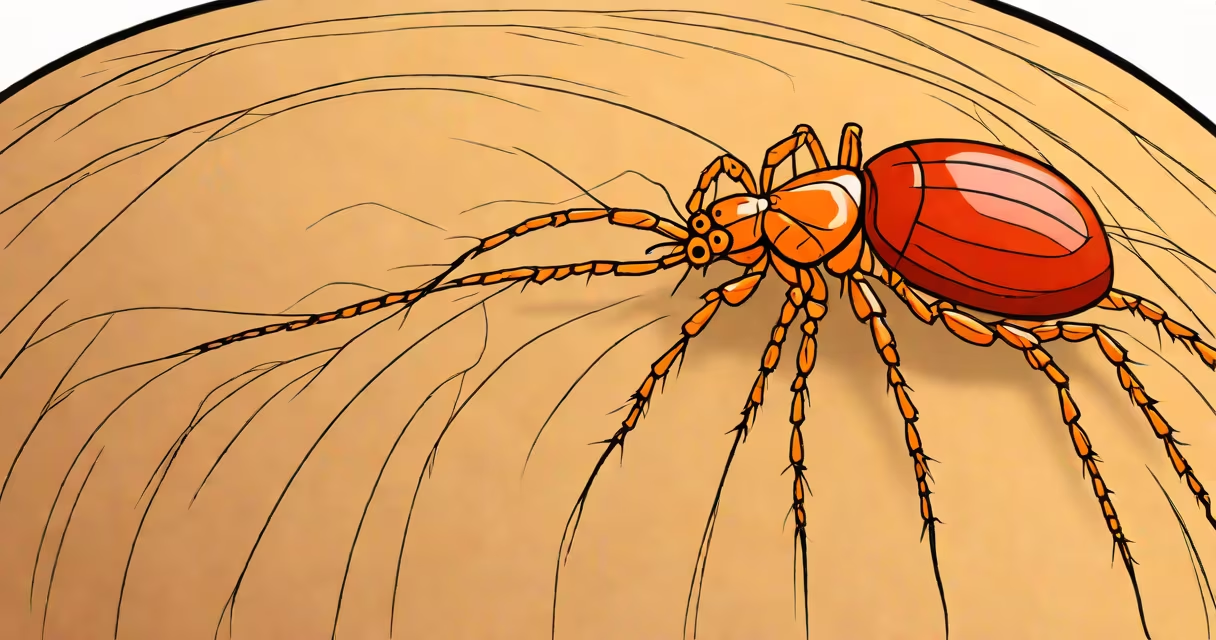
The singular form of "lice" is "louse." This term refers to a single parasitic insect that lives on the human scalp and feeds on blood. The word "lice" is the plural form, derived from Old English, and applies to multiple instances of the insect.
Lice are small, wingless insects that infest hair and skin. They do not fly or jump but move quickly through hair using specialized claws. The most common type affecting humans is the head louse (Pediculus humanus capitis). These parasites lay eggs-called nits-close to the scalp, which hatch in about 7-10 days.
Despite widespread misuse, "lice" is never used as a singular. Saying "I have a lice" is incorrect. The correct singular is "louse," as in "I found a louse in my child's hair." Misusing the plural as a singular is a persistent error, especially in informal speech and media.
Lice survive by feeding on human blood. They attach their mouthparts to tiny blood vessels near the scalp and feed several times a day. A single female louse can lay up to 10 eggs per day, totaling around 100 over her lifespan. Nits are cemented to individual hairs and are difficult to remove without special combs.
Transmission occurs through direct head-to-head contact, typically among children in schools or daycare centers. Sharing hats, combs, or bedding increases risk, though lice cannot survive off the human host for more than 1-2 days. They do not carry diseases, but infestations cause itching, discomfort, and sleep disruption.
A study published in Journal of Medical Entomology found that head lice infestations affect approximately 6-12 million children annually in the United States, primarily between ages 3 and 11. This prevalence underscores the importance of accurate terminology in public health messaging.
There are three main types of lice that affect humans:
| Type | Singular Form | Plural Form | Host Location |
|---|---|---|---|
| Head louse | head louse | head lice | scalp |
| Body louse | body louse | body lice | clothing and skin folds |
| Pubic louse | pubic louse | pubic lice | pubic hair and genital area |
Each type shares the same singular/plural pattern: singular ends in "-louse," plural in "-lice." The plural form "lice" is consistent across all types and is not altered by location or species.
Some people confuse "nits" with adult lice. Nits are the eggs laid by female lice. They appear as tiny white or yellowish specks glued to hair shafts. Unlike live lice, nits do not move and are not contagious. Removing them requires a fine-toothed comb and time-often taking 15-20 minutes per session.
One widespread error is treating "lice" as a singular noun. Phrases like "a lice infestation" or "I saw a lice" are grammatically incorrect. The correct usage is "a louse infestation" or "I saw a louse."
Another confusion arises from the pronunciation. "Lice" sounds like "lies," leading some to assume it's a plural of "lie." But "lice" comes from Old English "lȳs," with no connection to the verb "to lie." The plural form is pronounced /laɪs/, matching the word "lies" in sound but not in meaning.
Even reputable sources occasionally misstate the singular. For example, a 2021 article in WebMD incorrectly referred to "a lice" in a headline. The correct version should read "a louse." This error demonstrates how deeply ingrained the mistake is, even in medical content.
When reporting on lice outbreaks, always use "louse" for singular and "lice" for plural. For example: "A school reported 12 cases of head lice. In each case, a single louse was confirmed during screening." This precision avoids confusion and supports clear communication.
I once observed a classroom teacher attempting to explain lice to students using a poster labeled "lice." When asked how many lice were on a student's head, she said, "There are five lice." I corrected her: "Five lice is correct, but if you're describing one, say 'one louse.'" She paused, then smiled. "I've always said 'lice' for both."
This moment highlighted how entrenched the error is. Even educators default to "lice" as a singular. Correcting it requires awareness of historical linguistics: "lice" is a plural form inherited from Germanic roots, while "louse" is the singular. The pattern mirrors other irregular plurals like "mouse" and "mice," but unlike those, "lice" is not widely recognized as a plural.
Using the correct term improves clarity in health education, parenting forums, and medical documentation. It reduces anxiety-parents often panic upon hearing "lice," but understanding that one louse is manageable changes perception.
The singular for lice is louse. Always use "louse" when referring to one insect. Use "lice" only for more than one. This rule applies universally across contexts-from biology textbooks to school newsletters.