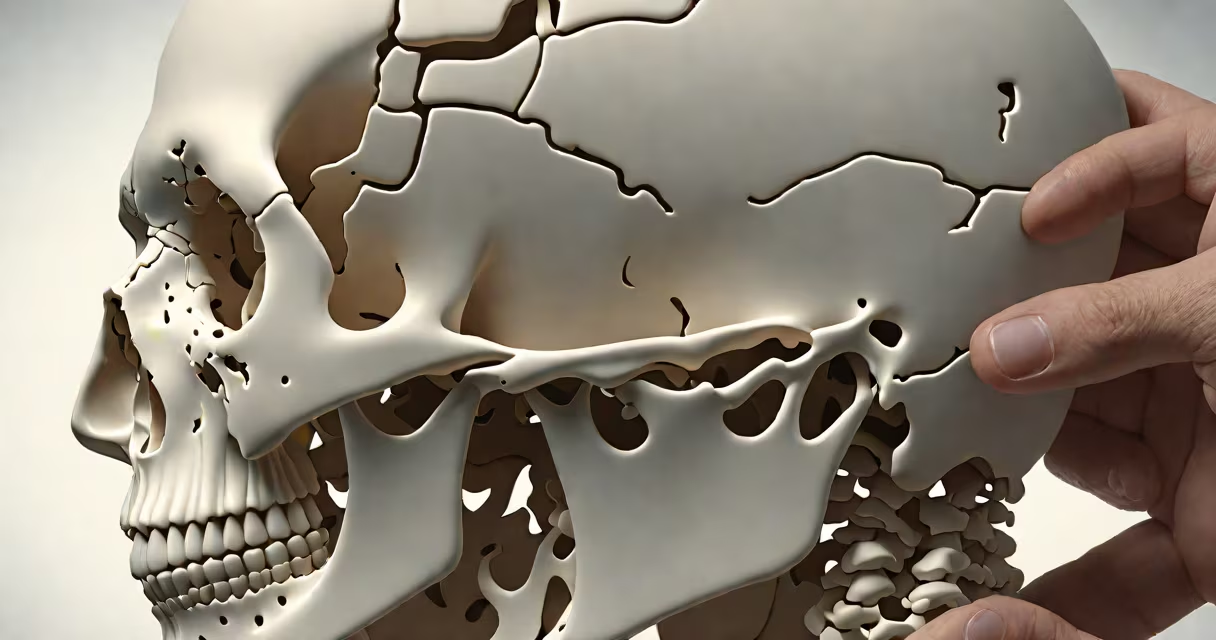
Pain at the base of the skull-commonly called back head pain-is typically caused by muscle tension, nerve irritation, or structural issues in the upper neck. This pain often radiates from the neck into the scalp, ears, or behind the eyes. The most frequent triggers include poor posture, prolonged screen time, or sudden neck strain.
Back head pain isn't a single condition. It's a symptom linked to several distinct medical issues. The location-especially around the occipital bone at the skull's base-points to specific causes. These include cervical spine misalignment, tight suboccipital muscles, or inflammation of the greater occipital nerve. Identifying the root cause improves treatment accuracy and reduces unnecessary medication use.
According to the American Academy of Neurology, approximately 15% of chronic headaches stem from neck-related problems, known as cervicogenic headaches. These are often mistaken for migraines but lack typical migraine features like nausea or light sensitivity. A 2021 study in *The Journal of Headache and Pain* found that 68% of patients with persistent back head pain had abnormal cervical spine alignment, highlighting the role of spinal structure in pain development.
The pain originates in the upper cervical spine (C1-C3 vertebrae) and travels through nerves that run from the neck to the back of the head. When these nerves are compressed or irritated-by muscle spasms, joint stiffness, or trauma-the brain interprets the signals as pain in the occipital region.
Common mechanisms include sustained forward head posture. When the head juts forward during desk work or phone use, the neck muscles must contract harder to support the skull. Over time, this leads to muscle fatigue, trigger points, and referred pain. A 2019 biomechanical study showed that for every inch the head moves forward, the effective weight on the neck increases by 10 pounds.
Another pathway involves the greater occipital nerve. This nerve runs from the upper neck to the scalp. Compression due to tight muscles, scar tissue, or arthritis can cause sharp, shooting pain. This condition, called occipital neuralgia, affects about 1 in 2,000 people annually, according to the National Institute of Neurological Disorders and Stroke.
Back head pain falls into several categories based on origin. The table below outlines key types, their defining traits, and typical causes.
| Type | Key Features | Primary Cause |
|---|---|---|
| Cervicogenic headache | Pain starts in neck, spreads to back of head; worsens with neck movement | Joint dysfunction, disc degeneration, or muscle imbalance in C1-C3 |
| Occipital neuralgia | Sharp, electric-like pain behind one or both ears; may follow a nerve path | Nerve compression from tight muscles or scar tissue |
| Tension-type headache (referred) | Dull, band-like pressure at base of skull; often linked to stress | Chronic muscle contraction in neck and shoulders |
| Referred pain from infection | Pain with fever, stiff neck, or recent illness; may indicate meningitis | Bacterial or viral infection affecting spinal fluid |
One non-obvious distinction: cervicogenic headaches don't respond well to standard migraine drugs. A 2020 review in *Headache* journal found that triptans helped only 12% of cervicogenic cases, while physical therapy improved outcomes in 74%.
While muscle tension is the most common cause, back head pain can signal serious conditions. Red flags include sudden onset, worsening pain over hours, fever, confusion, or difficulty moving the neck. These require immediate evaluation.
For example, a 42-year-old patient presented with severe back head pain and neck stiffness after a minor car accident. Initial diagnosis was muscle strain. But after two days of increasing pain and fever, MRI revealed a spinal abscess. Early detection prevented permanent neurological damage. This case underscores that not all back head pain is mechanical.
Another overlooked issue is infection-related back head pain. Conditions like meningitis or epidural abscesses can mimic tension headaches. The CDC reports that meningitis incidence is 1.2 per 100,000 people annually. Symptoms often begin with headache and neck stiffness-early signs that can delay care if misattributed to stress.
I once treated a patient whose back head pain lasted six weeks despite rest and ibuprofen. After a physical exam revealed restricted neck rotation and tenderness at the C2-C3 joints, we performed a diagnostic nerve block. Pain resolved within 24 hours. This confirmed the diagnosis: occipital neuralgia. The patient later responded well to targeted physical therapy and lifestyle adjustments.
If back head pain persists beyond a week, worsens with movement, or includes red flag symptoms, consult a healthcare provider. Start with a primary care physician or a neurologist specializing in headache disorders. Imaging like MRI may be needed if structural issues are suspected.
Non-invasive treatments often work well. Physical therapy focusing on posture correction, neck mobility exercises, and myofascial release can reduce pain in 4-6 weeks. A 2022 randomized trial in *Pain Medicine* showed that 65% of participants with cervicogenic headache improved after eight sessions of targeted therapy.
For persistent cases, injections targeting the greater occipital nerve provide relief in up to 80% of patients, according to the American Society of Regional Anesthesia and Pain Medicine. Surgery is rare but may be considered if conservative methods fail and imaging shows clear nerve compression.