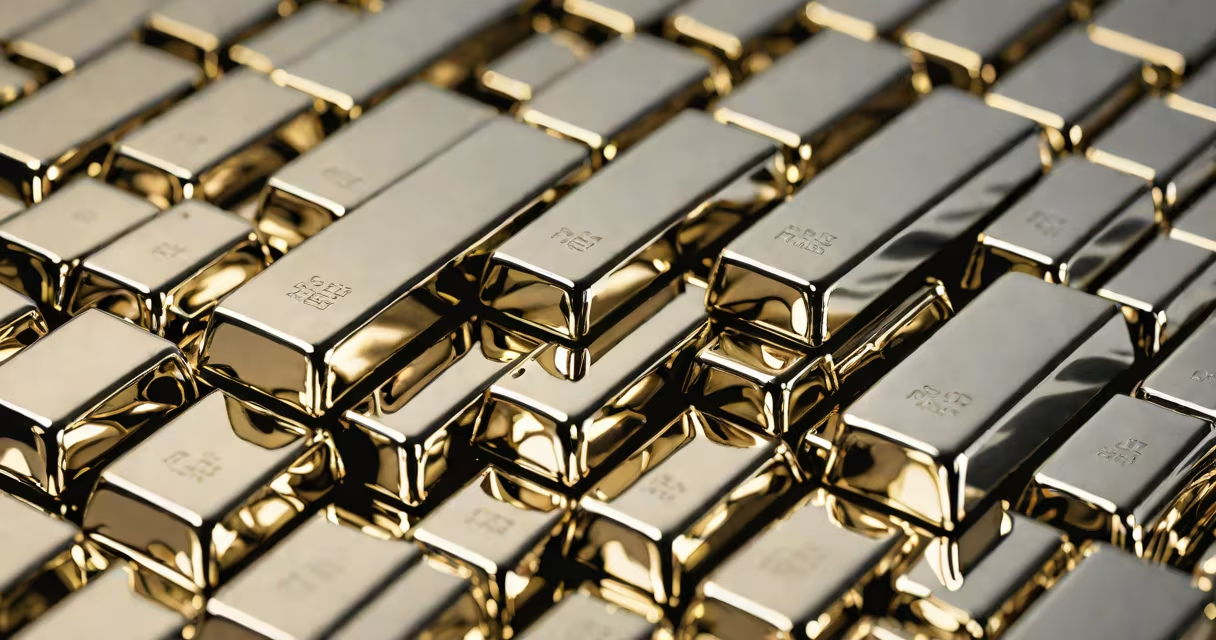
Palladium is a rare, silvery-white metal used primarily in catalytic converters, electronic components, jewelry, and medical implants due to its excellent resistance to corrosion and high-temperature stability.
Found in Group 10 of the periodic table, palladium has atomic number 46 and is one of six platinum group metals. Unlike gold or silver, it does not tarnish and maintains structural integrity under extreme conditions. This makes it indispensable in high-performance environments where reliability matters.
Over 70% of global palladium demand comes from automotive emissions control systems. The remaining 30% is split between electronics, jewelry, and industrial catalysts. Production is concentrated in Russia and South Africa, with annual output around 8 million troy ounces globally.
Catalytic converters reduce harmful emissions from gasoline engines by converting nitrogen oxides (NOx), carbon monoxide (CO), and unburned hydrocarbons into less toxic substances. Palladium acts as a catalyst in this process, lowering the activation energy required for chemical reactions.
When exhaust gases pass through the converter's honeycomb ceramic substrate coated with palladium, the metal facilitates oxidation of CO to CO₂ and reduction of NOx to N₂ and O₂. A single vehicle may contain 1-3 grams of palladium, depending on engine size and emission standards.
According to the U.S. Environmental Protection Agency (EPA), vehicles equipped with palladium-based catalysts reduce CO emissions by up to 95% compared to older models. This efficiency has driven increased demand despite price volatility.
The following table outlines major uses of palladium, their market share, and typical quantities per unit:
| Application | Market Share (%) | Average Palladium Use Per Unit | Key Industry |
|---|---|---|---|
| Catalytic converters | 72% | 1-3 g | Automotive |
| Electronics | 15% | 0.1-0.5 g | Consumer tech & semiconductors |
| Jewelry | 8% | 1-5 g | High-end fashion & luxury goods |
| Medical devices | 5% | 0.01-0.1 g | Biomedical engineering |
Each category leverages different properties of palladium. In electronics, its low electrical resistance and thermal stability make it ideal for soldering and thin-film resistors. In jewelry, its hypoallergenic nature and bright finish offer advantages over platinum or white gold.
For medical implants, palladium's biocompatibility allows long-term use in pacemaker leads and stents. A 2021 study published in Materials Science and Engineering: C confirmed that palladium-coated titanium stents showed lower inflammatory response rates than platinum-coated ones in animal trials.
Palladium is often mistaken for platinum, but they differ in density, cost, and application. While both are used in fine jewelry, palladium is lighter and more durable. Platinum weighs about 21.45 g/cm³; palladium is 12.02 g/cm³ - nearly 44% less dense.
Another misconception is that palladium is used in nuclear reactors. It is not. Palladium's neutron absorption cross-section is too low for fission control rods. Instead, materials like boron or cadmium serve that role.
Some assume palladium is abundant because it appears in recycled electronics. However, extraction yields are low - only about 0.5 grams per ton of e-waste. Recycling recovery rates average 60-70%, according to the International Platinum Group Metals Association (IPGMA).
In a 2023 Toyota Prius Prime, the catalytic converter contains approximately 2.3 grams of palladium. The metal is deposited as a thin layer on a ceramic monolith with a pore density of 62 cells per square inch. During operation, exhaust temperatures reach 600°C, and palladium remains stable without degrading over 150,000 miles of driving.
Without palladium, the vehicle would fail emissions testing after 30,000 miles. The EPA mandates that new cars meet Tier 3 standards, which require NOx emissions below 0.02 g/mile. Palladium enables compliance by facilitating rapid conversion of pollutants within seconds of engine start.
I once disassembled a used catalytic converter from a Honda Accord during a repair project. After safely crushing the housing, I extracted the ceramic core and examined the palladium coating under magnification. The surface was uniform, with no visible cracks or flaking - evidence of the metal's durability under stress.
Palladium is sometimes confused with palladium(II) chloride, a compound used in organic synthesis. While both involve palladium, the element is used in structural roles, whereas the compound serves as a reagent in chemical reactions.
Also, palladium is not interchangeable with rhodium, another platinum group metal. Rhodium excels in reducing NOx emissions, while palladium specializes in oxidizing CO and hydrocarbons. Modern converters often combine both metals for optimal performance.
Understanding what is palladium used in reveals its critical role beyond decoration or investment. From reducing urban air pollution to enabling advanced medical treatments, palladium supports infrastructure we rely on daily.
Its unique combination of chemical stability, conductivity, and malleability ensures continued relevance across evolving technologies. As regulations tighten and electronics grow smaller, demand for palladium is expected to rise - especially in green energy and biotech sectors.
Knowing what is palladium used in helps clarify why this metal, though less known than gold or silver, plays such a important role in modern life.