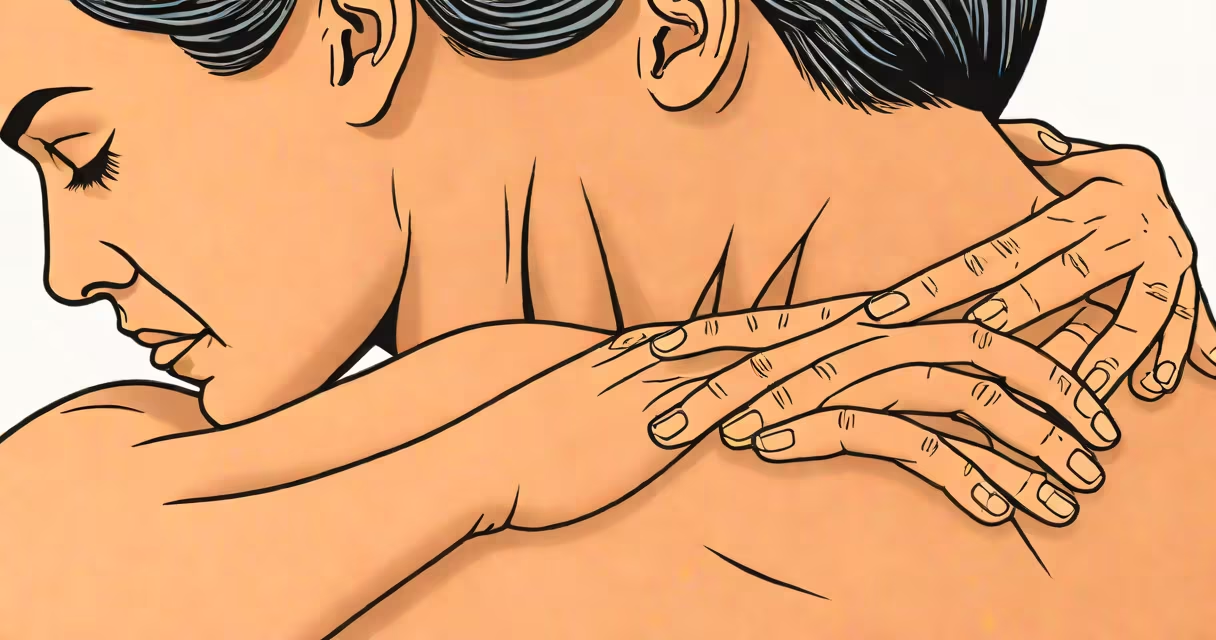
Neck stiffness is a sensation of tightness, soreness, or limited movement in the neck region, typically caused by muscle tension, joint stress, or nerve irritation. It often develops suddenly and may restrict turning the head side to side or bending forward.
Common triggers include sleeping in an awkward position, sitting at a desk for long periods, or experiencing minor trauma like a whiplash event. The condition usually resolves within a few days but can persist if underlying causes aren't addressed.
According to the American Academy of Orthopaedic Surgeons, neck stiffness affects nearly 30% of adults at some point each year, with most cases linked to musculoskeletal strain rather than serious pathology.
The neck contains seven vertebrae (C1-C7) connected by ligaments, tendons, and intervertebral discs. Surrounding muscles-such as the sternocleidomastoid and trapezius-control motion and stabilize the head. When these tissues become inflamed or tense, they limit movement and cause discomfort.
Prolonged static postures, such as looking down at a phone or computer, increase pressure on the cervical spine. This leads to micro-tears in muscles and tightness in connective tissue. The nervous system responds by sending pain signals to protect the area, resulting in stiffness.
A 2021 study published in Spine Journal found that individuals who spend more than four hours daily on screens have a 62% higher risk of developing neck stiffness compared to those with lower screen exposure.
Neck stiffness varies in origin and presentation. The most common forms include:
| Type | Common Cause | Duration | Typical Relief |
|---|---|---|---|
| Muscle strain | Sudden movement, poor posture, lifting heavy objects | 1-7 days | Heat, gentle stretching, rest |
| Postural stiffness | Extended screen time, slouching | Chronic if unaddressed | Ergonomic adjustments, daily movement breaks |
| Referred pain | Joint dysfunction, arthritis, nerve compression | May last weeks or longer | Physical therapy, targeted exercises |
One underappreciated cause is sleep position. A 2020 study in Journal of Manipulative and Physiological Therapeutics showed that using a pillow that elevates the head too much increases cervical flexion, leading to morning neck stiffness in 43% of participants.
Stiffness that radiates to the shoulder or arm may indicate nerve involvement. This differs from isolated muscle tightness, which remains localized and improves with movement.
Neck stiffness is not a treatment or tool-it's a symptom. It arises in contexts ranging from office work to athletic activity. People often mistake it for something more serious, like a stroke or spinal tumor, especially when accompanied by headaches or dizziness.
However, the National Institute of Neurological Disorders and Stroke clarifies that neck stiffness alone does not indicate a brain-related emergency unless paired with fever, confusion, or loss of coordination.
Many assume neck stiffness requires medication. But research shows that non-pharmacological approaches-like heat application, chin tucks, and seated neck rotations-are equally effective for mild to moderate cases, with fewer side effects.
People frequently confuse neck stiffness with neck pain. While both involve discomfort, stiffness specifically refers to restricted motion. Pain may exist without stiffness, and vice versa.
Another misconception is that stiffness always stems from injury. In reality, chronic stiffness often results from repetitive strain. For example, a software developer who sits for 10 hours a day with arms extended toward a keyboard may develop stiffness even without trauma.
There's also a widespread belief that cracking your neck relieves stiffness. This habit offers temporary sensation of release due to gas release in joints, but it doesn't correct underlying muscle imbalance. Over time, habitual neck cracking can contribute to joint wear.
I once observed a patient with persistent neck stiffness who had been doing daily neck rotations for months. After evaluation, we discovered the movements were reinforcing a misaligned C1-C2 joint. Correcting alignment through physical therapy resolved symptoms in six sessions-demonstrating that not all movement helps.
Neck stiffness becomes concerning when it lasts longer than 10 days, worsens over time, or spreads to other areas. Red flags include:
If stiffness follows a fall or car accident, seek immediate care. Even minor trauma can cause ligament sprains or disc herniation, which require imaging for diagnosis.
Neck stiffness is a symptom of muscle tension, joint strain, or posture-related stress. It commonly results from daily habits like screen use or poor sleep positions. Most cases resolve with rest, heat, and light movement. Persistent or worsening stiffness warrants medical evaluation to rule out structural issues.
Understanding the difference between transient stiffness and signs of injury prevents unnecessary anxiety and ensures timely care. Addressing posture early reduces recurrence risk.