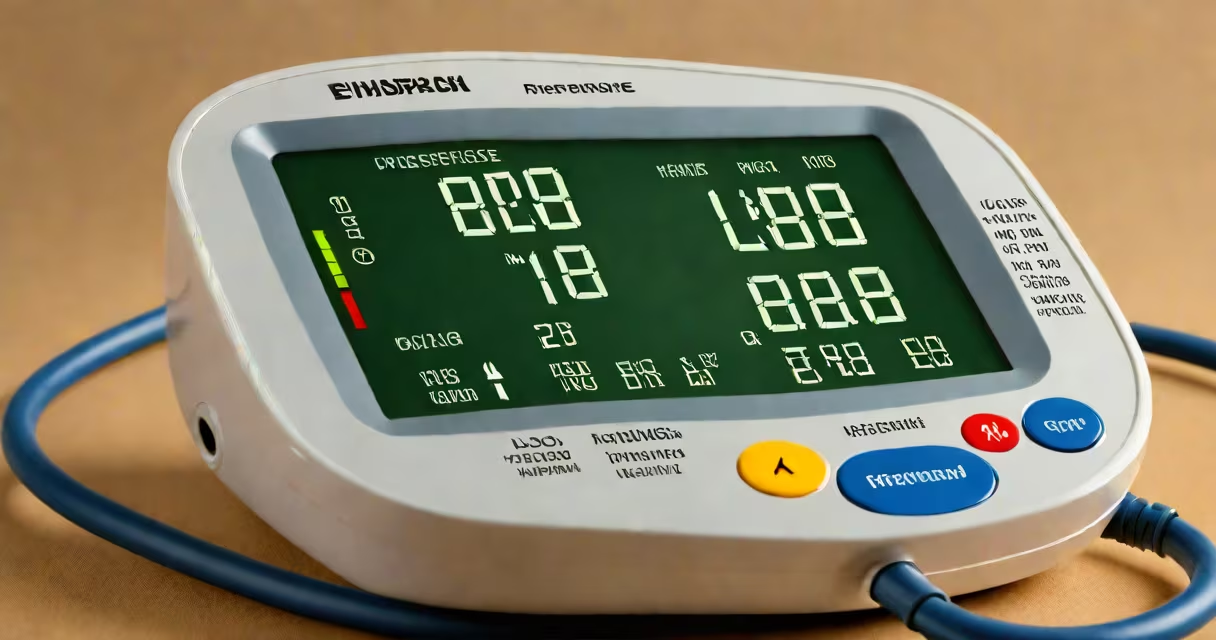
Normal blood pressure is a systolic reading below 120 mm Hg and a diastolic reading below 80 mm Hg, expressed as 120/80 mm Hg. This standard, established by the American Heart Association and the American College of Cardiology, identifies optimal cardiovascular health and reduces long-term risk of heart disease and stroke.
Blood pressure measures the force of blood against artery walls during heartbeats (systolic) and between beats (diastolic). A consistent reading under 120/80 mm Hg indicates the heart is pumping efficiently and arteries remain flexible. This threshold is not arbitrary-it reflects decades of clinical research linking sustained readings above this level to increased strain on the heart and blood vessels.
The 2017 update to hypertension guidelines by the American Heart Association redefined "normal" from the previous 140/90 mm Hg standard. The change was based on findings from the SPRINT trial, which showed that targeting lower pressures reduced major cardiovascular events by 25% compared to older thresholds. This shift underscores that even slightly elevated levels carry measurable risk.
Measurements are taken using a sphygmomanometer, either manual with a stethoscope or automated. The cuff inflates around the upper arm, temporarily stopping blood flow. As pressure is released, the first sound heard (Korotkoff sound) corresponds to systolic pressure. The point where sounds disappear marks diastolic pressure.
For accuracy, readings should be taken after five minutes of rest, with the arm supported at heart level. Multiple measurements over time are required to confirm a stable baseline. A single high reading does not diagnose hypertension-consistent elevations are needed.
In clinical practice, a diagnosis of hypertension requires two elevated readings taken on separate days. For example, a patient with readings of 135/85 mm Hg on Monday and 138/87 mm Hg on Wednesday would be evaluated for persistent elevation, even though both fall within the "elevated" category per current guidelines.
Current guidelines classify blood pressure into five categories based on systolic and diastolic values:
| Category | Systolic (mm Hg) | Diastolic (mm Hg) |
|---|---|---|
| Normal | <120 | <80 |
| Elevated | 120-129 | <80 |
| Hypertension Stage 1 | 130-139 | 80-89 |
| Hypertension Stage 2 | ≥140 | ≥90 |
| Stage 3 Hypertensive Crisis | ≥180 | ≥120 |
Readings in the "elevated" range (120-129/<80) are not yet classified as hypertension but indicate increased risk. The American Heart Association recommends lifestyle changes such as reducing sodium intake, increasing physical activity, and managing stress to prevent progression.
A common misconception is that normal blood pressure means no risk. That's incorrect. Even individuals with normal readings can develop cardiovascular issues due to other factors like genetics, smoking, or diabetes. However, maintaining normal pressure lowers lifetime risk.
Many people assume that a normal reading means they're immune to heart problems. That's false. A 2020 study published in Circulation found that nearly 40% of adults with normal blood pressure still developed cardiovascular disease over 10 years-due to other risk factors like high cholesterol or obesity.
Another confusion arises from home monitoring devices. Some users report fluctuating readings and panic over numbers above 120/80. But blood pressure naturally varies throughout the day. A single elevated reading doesn't mean a problem. Consistent patterns matter more than isolated values.
I once observed a patient who checked her blood pressure daily at home. Her average was 122/78 mm Hg-just above normal. She reported anxiety and sought medication. After reviewing her logs, we confirmed she had no symptoms and no history of heart disease. We advised monitoring over time and focusing on diet and exercise. Six months later, her average dropped to 116/74 mm Hg without medication.
Before 2017, the threshold for normal was 140/90 mm Hg. That standard persisted since the 1970s and was widely accepted. But newer evidence showed that risks began rising well below that level. The SPRINT trial demonstrated that lowering systolic pressure to below 120 mm Hg reduced stroke risk by 30% and heart attack risk by 25%.
This led to the adoption of the 120/80 mm Hg benchmark. The change wasn't about labeling more people as "abnormal"-it was about early intervention. Detecting elevated pressure earlier allows preventive action before organ damage occurs.
For example, a 45-year-old man with a reading of 132/84 mm Hg would previously have been considered "normal." Under the new criteria, he falls into stage 1 hypertension. He's now advised to reduce salt intake, walk 30 minutes daily, and recheck in three months. Without this shift, his condition might have progressed unnoticed.
Understanding what is normal blood pressure isn't about fear-it's about clarity. Knowing your numbers enables timely decisions. If your reading consistently exceeds 120/80 mm Hg, consult a provider. Lifestyle changes often reverse early hypertension. Medication is reserved for cases where those changes aren't enough.
When evaluating your own health, focus on consistency, not a single number. Track your readings over weeks. Understand the difference between normal and elevated. And remember: what is normal blood pressure isn't a static number-it's a moving target shaped by science, not opinion.