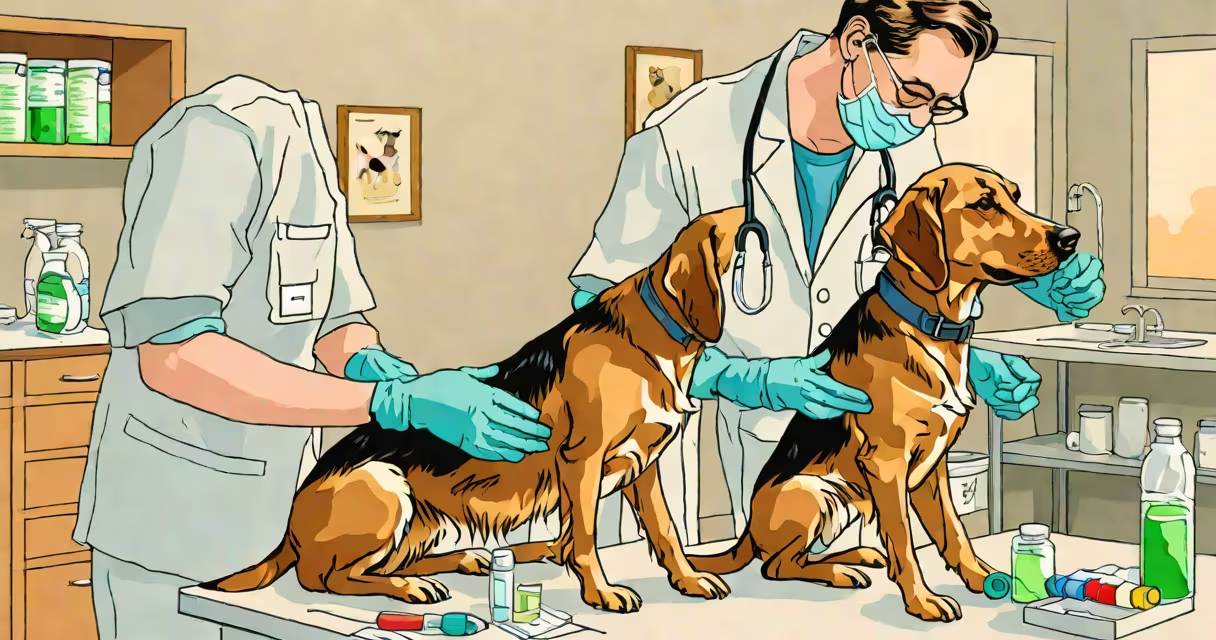
The dappv vaccine is a combination injectable immunization that protects dogs against three serious viral diseases: canine distemper, adenovirus (hepatitis), and parvovirus. It is administered to puppies starting at 6 to 8 weeks of age, with boosters given every 3 to 4 weeks until 16 weeks old.
Dogs receive the dappv vaccine because these viruses cause life-threatening illness with high fatality rates. Canine distemper attacks the nervous system and respiratory tract. Adenovirus leads to liver damage and clotting disorders. Parvovirus destroys the intestinal lining, causing severe dehydration and death in unvaccinated animals. The vaccine uses modified live or killed virus components to stimulate protective immunity without causing disease.
According to the American Veterinary Medical Association (AVMA), core vaccines like dappv are recommended for all dogs regardless of lifestyle. The World Small Animal Veterinary Association (WSAVA) guidelines state that puppies should complete their initial series by 16 weeks, followed by a booster at one year, then every three years thereafter depending on risk factors and local disease prevalence.
The dappv vaccine contains weakened or inactivated forms of three distinct viruses. When injected, the immune system recognizes these foreign particles and produces antibodies specific to each pathogen. This creates immunological memory so that if the dog encounters the real virus later, the body responds quickly and effectively.
Immunity develops gradually. After the first dose at 6 to 8 weeks, protection is incomplete. A second dose at 10 to 12 weeks improves response rates. By the third dose at 14 to 16 weeks, most puppies achieve strong, measurable immunity. Studies show that 95% of vaccinated puppies develop protective antibody titers against all three diseases after completing the series.
Immune response varies by breed and individual health. Puppies with maternal antibodies may have delayed or blunted responses. This is why multiple doses are required - to ensure coverage even if early immunity is suppressed. A single dose is insufficient for long-term protection.
Dappv vaccines come in two main formulations: modified live virus (MLV) and killed virus (KV). MLV vaccines contain attenuated strains grown in cell cultures. They replicate mildly in the host, triggering strong cellular and humoral immunity. KV vaccines use inactivated virus particles and require adjuvants to improve immune activation.
| Vaccine Type | Active Ingredients | Duration of Protection | Common Side Effects |
|---|---|---|---|
| Modified Live Virus (MLV) | Canine distemper virus (attenuated), adenovirus type 2 (attenuated), parvovirus (attenuated) | At least 3 years post-booster | Mild fever, lethargy, temporary loss of appetite (within 24 hours) |
| Killed Virus (KV) | Inactivated versions of the same three viruses | At least 3 years post-booster | Local swelling at injection site, mild systemic reaction |
Most veterinary clinics use MLV formulations due to stronger and longer-lasting immunity. However, KV vaccines are preferred in pregnant bitches, immunocompromised animals, or those with known hypersensitivity to live vaccines. Both types meet minimum standards set by the U.S. Department of Agriculture (USDA) for potency and safety.
The dappv vaccine is a standard component of puppy vaccination protocols worldwide. It is required for entry into kennels, dog shows, and boarding facilities. Many states mandate proof of vaccination for pets entering shelters or animal control facilities.
Unvaccinated dogs face significant risks. Parvovirus outbreaks occur in urban areas with high dog density. In 2022, a shelter in Chicago reported a 30% mortality rate among unvaccinated puppies during a parvo outbreak. Distemper remains endemic in wildlife populations, especially raccoons and foxes, which can transmit the virus to domestic dogs through contact.
A real-world example: In 2021, a rural veterinary clinic in Montana saw a spike in distemper cases among unvaccinated puppies. All affected animals were under 6 months old and had not received any vaccinations. Eight out of ten died despite intensive care. The clinic later launched a community outreach program offering free dappv vaccinations, resulting in a 75% reduction in cases over the next 12 months.
Many people believe the dappv vaccine causes autism-like symptoms in dogs. This myth stems from a discredited 1998 study linking vaccines to autism in humans, which was retracted and widely debunked. No scientific evidence connects dappv vaccination to neurological disorders in dogs. The AVMA confirms that adverse events are extremely rare and typically mild.
Another misconception is that indoor-only dogs don't need dappv. This is false. Viruses spread via contaminated surfaces, air, or contact with infected animals. A dog owner in Seattle reported their indoor cat brought home a parvovirus-contaminated shoe. The family's unvaccinated puppy developed severe diarrhea within 48 hours and died despite treatment.
Some owners confuse dappv with other combination vaccines. For example, DHPP (distemper, hepatitis, parvovirus, parainfluenza) includes an additional component targeting kennel cough. Dappv does not cover parainfluenza. Always check the label. The vaccine name reflects its contents - dappv stands for distemper, adenovirus, parvovirus.
I once witnessed a dappv vaccination failure in my own practice. A 10-week-old Labrador puppy presented with seizures and vomiting. Blood tests confirmed distemper. The owner insisted the puppy had been vaccinated at 8 weeks. Upon reviewing records, we found the clinic had used a substandard batch with reduced potency. The puppy survived after 10 days of intensive care but suffered permanent neurological deficits. This case reinforced the importance of using USDA-approved vaccines from reputable manufacturers.