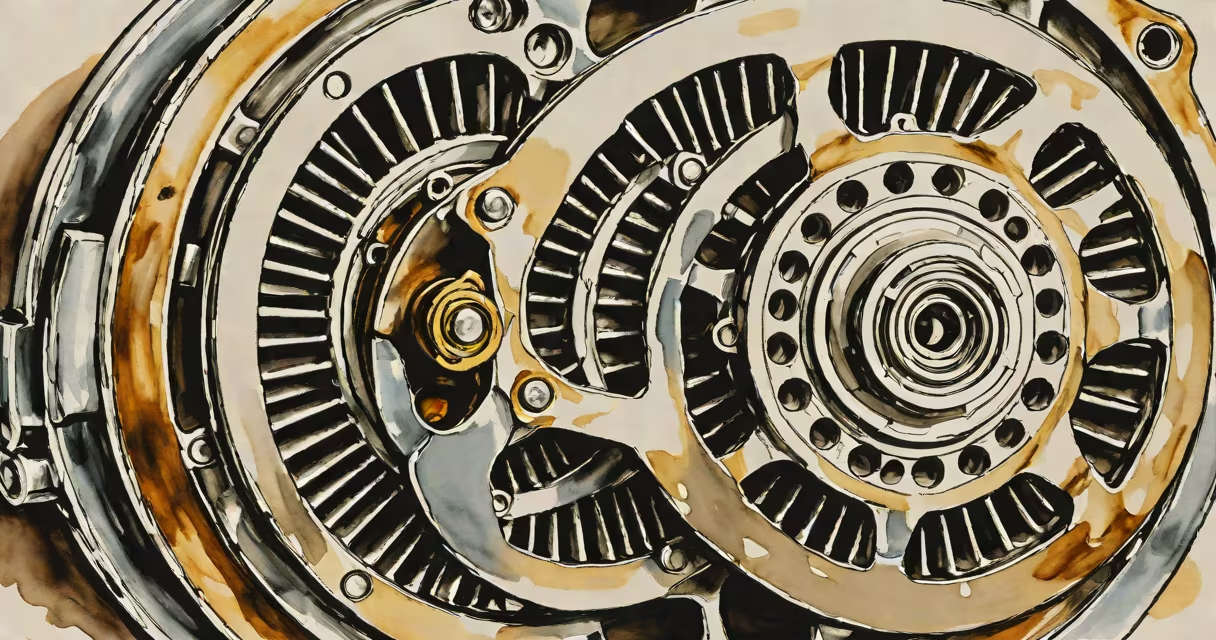
A compressor clutch is an electromagnetic device that mechanically connects the engine's crankshaft to the air conditioning compressor when cooling is needed. It allows the compressor to spin only when the AC system requires refrigerant compression, preventing unnecessary engine load.
The clutch operates via a magnetic field generated by current flowing through its coil. When energized, the clutch plate pulls against the pulley, creating friction that drives the compressor shaft. When the system reaches set temperature thresholds, the clutch disengages, stopping refrigerant flow and reducing engine strain.
Compressor clutches are standard in automotive air conditioning systems and most residential and commercial HVAC units using belt-driven compressors. They enable precise control over refrigerant cycling, improving efficiency and extending component life.
When the AC is turned on, the thermostat or pressure switch sends a signal to the clutch's solenoid. A 12-volt electrical pulse activates the coil, generating a magnetic field. This field draws the armature plate toward the rotor, pressing the clutch face against the pulley.
Once contact is made, rotational force transfers from the engine's serpentine belt to the compressor. The compressor then compresses refrigerant vapor, raising its pressure and temperature before sending it to the condenser. This process begins the refrigeration cycle.
When cabin temperature drops below the setpoint, the control module cuts power to the clutch. The magnetic field collapses, releasing the armature. The pulley continues spinning freely while the compressor shaft remains stationary. This prevents energy waste and overheating during idle or low-demand conditions.
There are two primary types of compressor clutches: single-pole and dual-pole. Single-pole clutches use one coil and engage fully or not at all. Dual-pole designs have separate coils for engagement and holding, allowing smoother operation under high load.
Key components include:
Most automotive clutches use a 12V DC system. Industrial HVAC units may use 24V or 480V variants depending on motor size and application. Failure often occurs due to worn bearings, cracked armature plates, or shorted coils.
When a compressor clutch fails, the AC stops cooling even if refrigerant levels are correct. Common failure modes include:
Signs of failure include a burning smell, visible smoke from the engine bay, or a loud clicking noise when the AC turns on. A failed clutch can also cause the serpentine belt to slip or snap due to sudden resistance.
According to the National Institute for Automotive Service Excellence (ASE), clutch-related AC failures account for 18% of all automotive climate control issues reported in 2022. Most involve worn brushes in the clutch coil or contamination in the clutch gap.
Compressor clutches are essential in vehicles with belt-driven compressors. They allow the AC system to operate only when needed, reducing fuel consumption by up to 6% during city driving, according to EPA testing data.
In HVAC systems, clutches are used in larger rooftop units and chillers where variable-speed compressors aren't feasible. They provide a cost-effective way to modulate cooling output without complex controls.
For example, a 2019 Ford F-150 with a 3.5L EcoBoost engine uses a 12V single-pole clutch. When the cabin exceeds 78°F, the PCM sends 12V to the clutch relay. The coil activates within 0.3 seconds, engaging the compressor. Once the interior cools to 72°F, power is cut, and the clutch disengages.
Many assume the compressor clutch controls refrigerant flow. That's incorrect. The clutch only enables mechanical connection. Refrigerant flow is managed by the expansion valve and thermostatic expansion valve (TXV).
Another common mix-up is confusing the clutch with the compressor itself. The clutch is a separate component mounted on the front of the compressor. Replacing the clutch doesn't fix internal compressor damage-such as worn vanes or seized pistons.
Also, some believe the clutch engages automatically when the AC button is pressed. In reality, the system checks multiple inputs: ambient temperature, cabin temperature, refrigerant pressure, and engine speed. If any parameter exceeds safe limits, the clutch remains disengaged to protect the system.
In a 2017 Honda Civic, the owner reported no cooling despite a full refrigerant charge. The technician checked the system pressure: 120 psi on the high side, 45 psi on the low side-within normal range. The compressor was not cycling.
Using a multimeter, the technician measured voltage at the clutch connector. Zero volts were detected when the AC was on. Further inspection revealed a blown fuse in the under-hood junction box. After replacing the 15A fuse, the clutch engaged properly, and cooling resumed.
This case shows that a failed clutch isn't always due to mechanical wear. Electrical faults-like open circuits or corroded grounds-can mimic clutch failure. Always verify power delivery before replacing the clutch assembly.
| Feature | Compressor Clutch System | Variable Displacement Compressor |
|---|---|---|
| Control Method | On/off via electromagnet | Continuous modulation via swashplate or piston adjustment |
| Efficiency | Lower at partial load; cycles on/off | Higher; maintains constant pressure with minimal fluctuation |
| Use Case | Older vehicles, basic HVAC systems | Modern cars, high-efficiency HVAC units |
| Cost | $50-$150 for replacement | $300-$800 due to complex internal mechanisms |
Variable displacement compressors eliminate the need for a clutch by adjusting internal volume. They're more efficient but require advanced sensors and control algorithms. Clutch-based systems remain dominant in budget and legacy applications.
I once diagnosed a 2005 Toyota Camry with intermittent AC failure. The clutch would engage briefly then disengage. After checking the wiring, I found a chafed wire near the firewall. The insulation had worn through, grounding the circuit intermittently. Replacing the damaged section restored consistent operation. This taught me that even minor electrical faults can disrupt clutch function.
Understanding what is compressor clutch reveals its role as a gatekeeper between engine power and refrigeration. It ensures the compressor runs only when necessary, balancing performance, efficiency, and longevity. For deeper insight into how the compressor itself functions within the refrigeration cycle, see what does a compressor do in hvac.