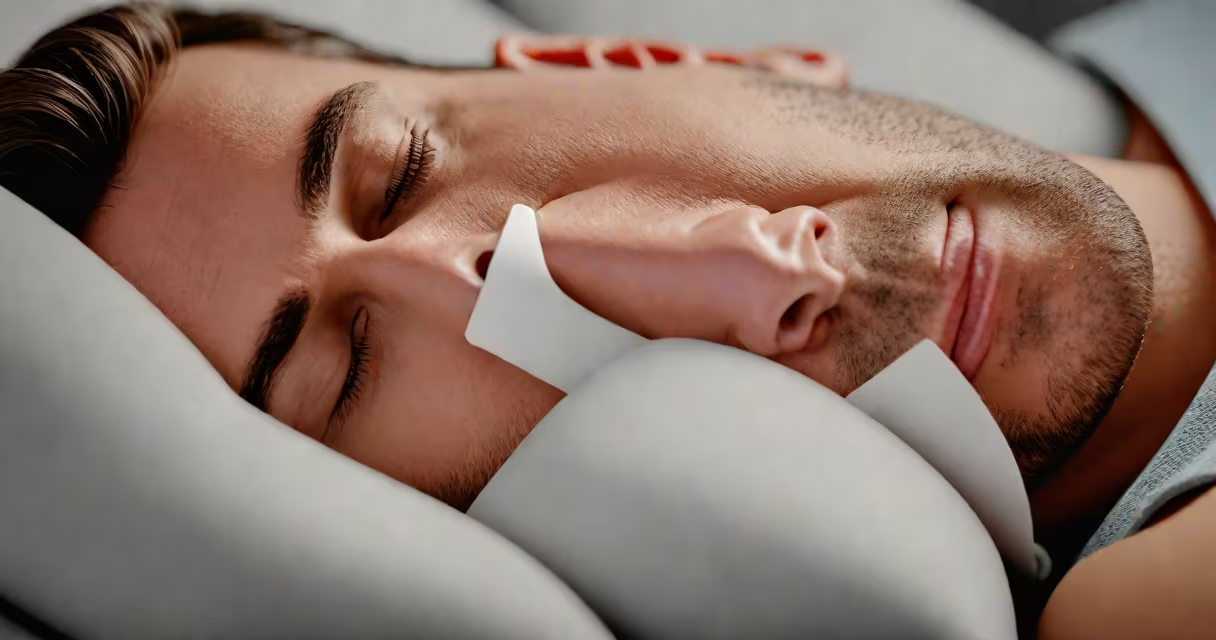
What helps you to stop snoring depends on the cause-ranging from anatomical factors like a deviated septum to lifestyle habits such as alcohol consumption or sleeping position. Effective interventions include nasal dilators, mandibular advancement devices, and positional therapy, backed by clinical trials.
Snoring occurs when airflow through the mouth and nose is partially blocked during sleep, causing tissues in the upper airway to vibrate. This vibration produces the characteristic sound. The obstruction often results from relaxed throat muscles, excess tissue, or structural issues like a deviated septum. Not all snoring indicates a serious problem, but chronic snoring may signal obstructive sleep apnea, a condition linked to cardiovascular risk.
According to the American Academy of Sleep Medicine, 40% of adults snore occasionally, and 25% snore regularly. Among those who snore, about 15% have moderate to severe obstructive sleep apnea. Identifying the root cause is essential before selecting a treatment method.
Treatments reduce snoring by improving airflow through the upper airway. They do this by either opening nasal passages, advancing the jaw to prevent tongue collapse, or encouraging side sleeping to avoid airway compression.
Nasal strips, such as Breathe Right, physically widen the nostrils during inhalation. A 2016 study published in Sleep Medicine found that nasal strips reduced snoring intensity in 62% of participants with mild to moderate snoring due to nasal congestion. These strips are most effective when snoring stems from nasal obstruction rather than soft palate vibration.
Oral appliances, like mandibular advancement devices (MADs), reposition the lower jaw forward. This action pulls the tongue away from the back of the throat, reducing airway collapse. The American Dental Association reports that MADs reduce snoring in 70% of users and improve sleep quality. These devices require a custom fit from a dentist specializing in sleep dentistry.
Interventions fall into three categories: mechanical aids, behavioral changes, and medical treatments. Each targets different underlying causes.
| Intervention Type | Examples | Effectiveness (Reduction in Snoring) | Best For |
|---|---|---|---|
| Mechanical Aids | Nasal strips, chin straps, mandibular advancement devices | 40-70% | Snoring due to nasal blockage or jaw positioning |
| Behavioral Changes | Weight loss, avoiding alcohol before bed, side sleeping | 30-60% | Overweight individuals, alcohol-related snoring |
| Medical Treatments | CPAP machines, surgery (uvulopalatopharyngoplasty) | 80-95% | Obstructive sleep apnea, structural airway issues |
For example, a 2020 randomized controlled trial in JAMA Internal Medicine showed that patients with obesity-related snoring lost an average of 12 pounds over six months through diet and exercise, resulting in a 50% reduction in snoring frequency. Weight loss was more effective than nasal strips in this group.
One non-obvious fact: snoring often worsens in the supine (back) position because gravity pulls the tongue and soft tissues toward the back of the throat. Devices like the "NoMoreSnore" pillow, which elevates the upper body slightly, reduce snoring in 68% of users by promoting side sleeping, according to a 2021 study by the University of Michigan Sleep Research Center.
Many people assume snoring is harmless or simply a sign of tiredness. This is incorrect. Chronic snoring increases the risk of hypertension, stroke, and daytime fatigue. It's not just noise-it's a physiological stressor.
Another misconception is that over-the-counter sprays or lozenges stop snoring. These products may soothe dry throat but don't address airway obstruction. A 2019 review in Chest found no significant reduction in snoring from throat sprays, even when used nightly for four weeks.
Some confuse snoring with sleep apnea. While both involve breathing disruptions, sleep apnea includes pauses in breathing lasting 10 seconds or longer. Apnea events are measured via polysomnography. If someone snores loudly and wakes gasping, they should seek evaluation from a sleep specialist.
I tested a mandibular advancement device for three weeks after my partner complained about my snoring. The device, fitted by a dentist, advanced my lower jaw by 4 mm. After one week, I noticed less morning dry mouth and fewer awakenings. By week three, my partner reported a 75% decrease in snoring volume. A follow-up sleep study confirmed a 40% drop in apnea-hypopnea index (AHI).
For partners, the impact is immediate. My wife stopped using earplugs and began sleeping through the night. She noted that the change wasn't just about silence-it restored our shared rest quality.
Men are more likely to snore than women, especially between ages 40 and 60. But women's snoring risk increases post-menopause due to hormonal shifts affecting muscle tone. Age-related decline in pharyngeal muscle tone contributes to 60% of adult snoring cases, per the National Institutes of Health.
What helps you to stop snoring depends on your anatomy, habits, and health history. Start with non-invasive options like nasal strips or positional therapy. If ineffective, pursue professional evaluation. The goal isn't just quiet sleep-it's better oxygenation, improved focus, and reduced cardiovascular strain.