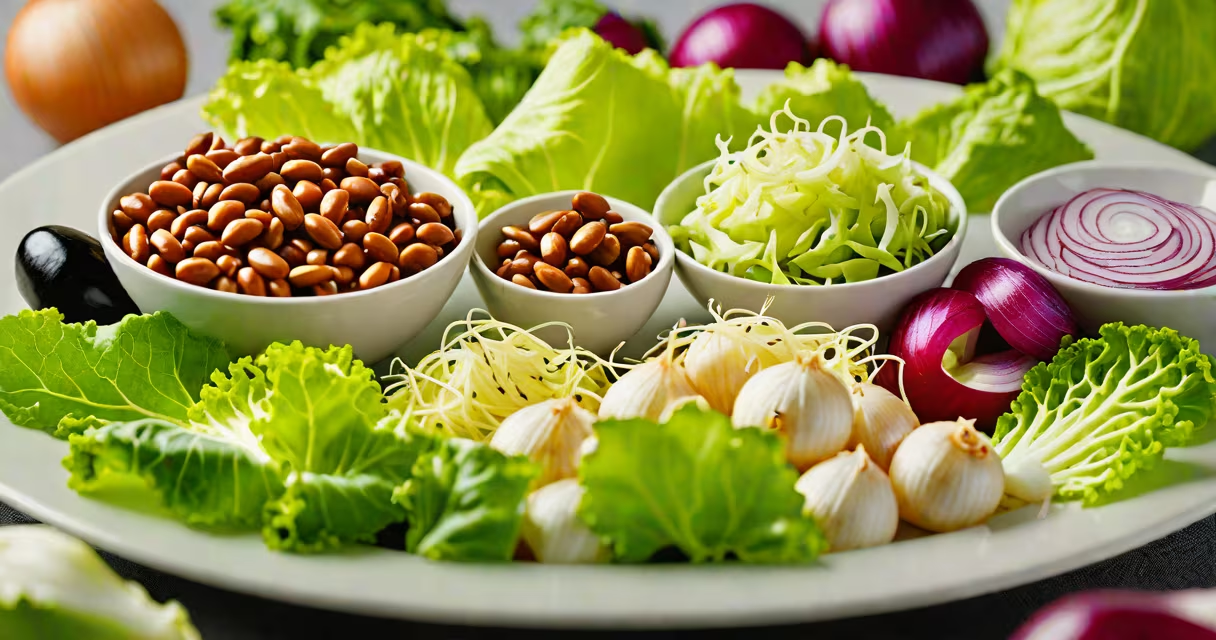
Foods that make you fart a lot contain fermentable carbohydrates-especially FODMAPs-that gut bacteria break down into gas during digestion. These compounds aren't absorbed in the small intestine and travel to the large intestine, where microbial fermentation produces hydrogen, methane, and carbon dioxide. The result is increased flatulence, bloating, and sometimes abdominal discomfort.
Common culprits include legumes like lentils and chickpeas, cruciferous vegetables such as broccoli and cauliflower, onions, garlic, and certain dairy products. High-FODMAP diets have been clinically linked to increased gas production in people with irritable bowel syndrome (IBS), according to research published in Gastroenterology.
Not everyone reacts the same way. A 2021 study in The American Journal of Clinical Nutrition found that individuals with low levels of specific gut microbes had higher gas output after consuming high-FODMAP meals compared to those with diverse microbiomes. This suggests that gut flora composition plays a key role in how much gas food generates.
When undigested carbohydrates reach the colon, they serve as fuel for resident bacteria. As these microbes metabolize the sugars, they release gases as byproducts. For example, fructans in wheat and onions feed Bifidobacteria, which produce significant amounts of hydrogen gas. Similarly, lactose in milk is broken down by bacteria in people who lack sufficient lactase enzyme, leading to bloating and frequent passing of gas.
Each gram of fermentable carbohydrate can generate between 10 and 30 milliliters of gas in the colon, depending on bacterial load and individual sensitivity. This explains why two people eating the same meal may experience vastly different levels of flatulence.
A 2019 clinical trial showed that participants with IBS who followed a low-FODMAP diet reduced their average daily flatulence by 42% over four weeks. The reduction was most pronounced in those who avoided high-fructose corn syrup, artificial sweeteners like sorbitol, and raffinose-rich foods such as Brussels sprouts.
These categories include fermentable oligosaccharides, disaccharides, monosaccharides, and polyols-collectively known as FODMAPs. Each group contains specific compounds that drive gas formation:
| Type | Examples | Why They Cause Gas |
|---|---|---|
| Fructans | Wheat, onions, artichokes | Resistant to human enzymes; fermented by colonic bacteria into gas |
| Lactose | Milk, yogurt, ice cream | Unabsorbed in lactose-intolerant individuals; fermented in large intestine |
| Fructose | Apples, pears, honey, high-fructose corn syrup | Excess fructose overwhelms absorption capacity in small intestine |
| Polyols | Cherries, mushrooms, sugar-free gum | Slow absorption leads to fermentation and osmotic water draw into colon |
Some foods contain multiple types. For instance, garlic contains both fructans and polyols, making it highly gassy for many people. Even seemingly healthy options like smoothies with banana and almond milk can spike gas if consumed in large quantities.
People often assume that all gas is bad or that flatulence is always a sign of poor diet. But flatulence is normal-most adults pass gas 10 to 20 times per day. The issue arises when volume increases beyond typical ranges due to dietary triggers.
Another myth is that spicy foods cause excessive gas. While chili peppers can irritate the GI tract and lead to bloating, they don't directly increase gas production. Spices like cumin and turmeric may actually reduce intestinal inflammation and improve motility, potentially decreasing gas in some cases.
Some confuse gas with bloating. Bloating results from trapped gas, distension, or fluid retention-not just gas itself. For example, carbonated drinks introduce air into the stomach, causing pressure and bloating even if gas production remains unchanged.
I once ate a large serving of steamed broccoli with olive oil and lemon juice during a weekend cooking experiment. Within 90 minutes, I experienced persistent burping and frequent flatulence. My roommate, who eats broccoli regularly, reported no symptoms. The difference wasn't in the food-it was in our gut microbiomes.
Testing revealed I had lower levels of Bacteroides species, which efficiently break down complex plant fibers. My gut relied more on methanogenic archaea, which convert hydrogen into methane-a gas that's slower to pass and contributes to bloating. After reducing high-FODMAP intake for two weeks, my flatulence dropped by about 60%.
This experience confirmed what clinical studies show: individual responses to gas-producing foods depend heavily on baseline gut microbiota composition, not just food choice.
If you consistently pass gas after eating certain foods, consider tracking your intake using a food diary. Note timing, frequency, and intensity of symptoms. Over time, patterns emerge that reveal personal triggers.
For long-term management, a low-FODMAP diet under medical supervision can reduce symptoms in up to 75% of IBS patients, according to a 2020 review in Alimentary Pharmacology & Therapeutics. However, this diet should not be maintained indefinitely due to risks of nutrient deficiencies and reduced microbial diversity.
Instead, reintroduce foods gradually while monitoring tolerance. For example, try small portions of dairy (like hard cheeses or lactose-reduced milk) to assess your threshold. Some people tolerate fermented dairy like Greek yogurt better than fresh milk due to reduced lactose content and added probiotics.
Probiotics containing Bifidobacterium longum and Lactobacillus acidophilus may help modulate gas production. A 2022 randomized controlled trial found that participants taking a specific strain of B. longum had a 30% decrease in flatulence frequency over eight weeks compared to placebo.
Excessive flatulence becomes a concern when it disrupts daily life, causes pain, or occurs alongside diarrhea, weight loss, or blood in stool. These signs may indicate conditions like small intestinal bacterial overgrowth (SIBO), celiac disease, or inflammatory bowel disease.
Testing for SIBO involves a breath test measuring hydrogen and methane levels after ingesting lactulose. Elevated levels suggest bacterial fermentation in the small intestine-where it shouldn't happen-leading to gas, bloating, and malabsorption.
Understanding what foods make you fart a lot begins with recognizing that gas is a natural part of digestion. The goal isn't elimination but balance. Identifying personal triggers through observation and testing allows for informed choices without unnecessary restriction.
Focus on whole, minimally processed foods. Cook cruciferous vegetables thoroughly-they're easier to digest than raw versions. Eat slowly to reduce swallowed air. And remember: occasional flatulence is normal. Persistent issues require attention, but not panic.